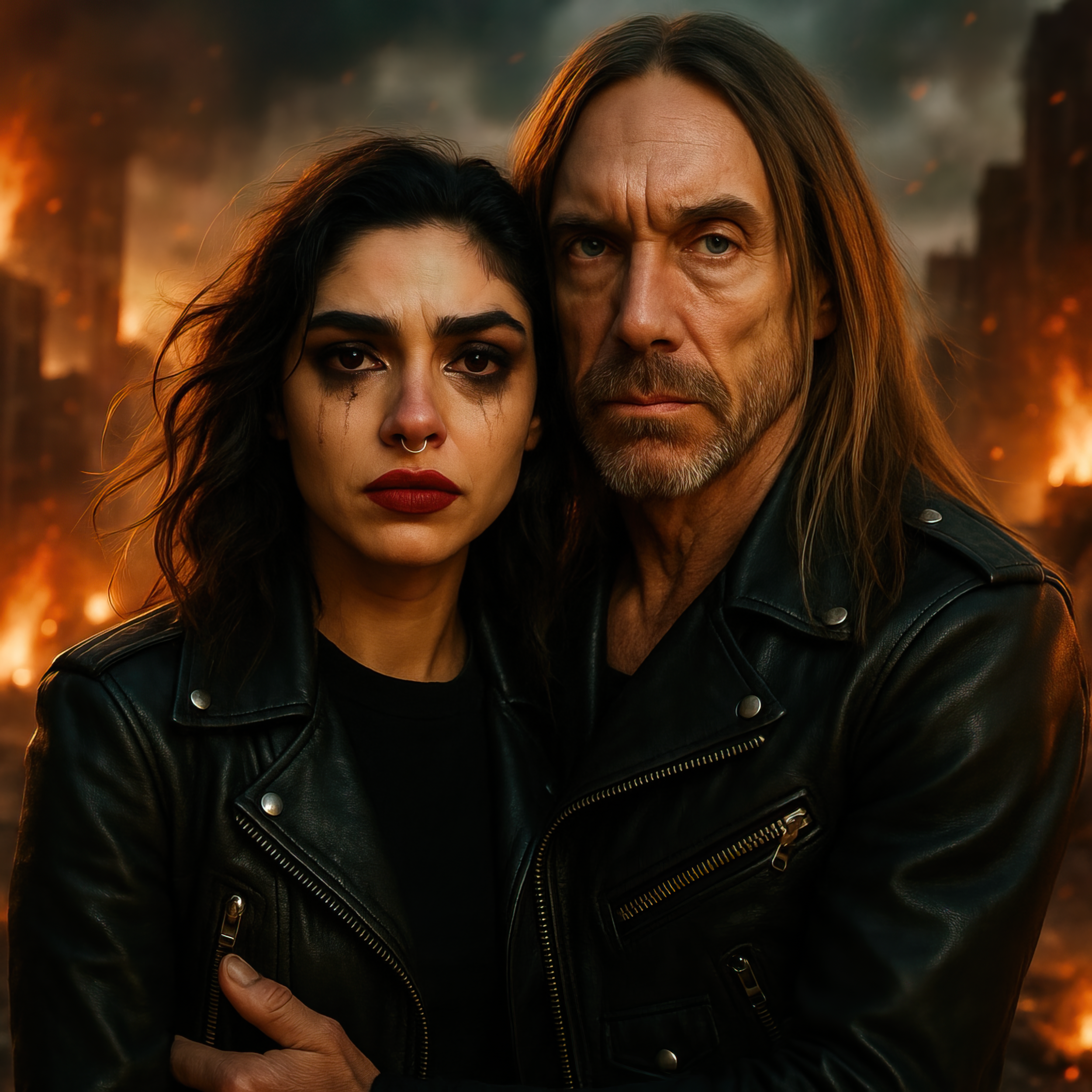
The opening salvo establishes their modus operandi immediately: crushing guitar work that owes as much to Tony Martin-era Black Sabbath as it does to modern symphonic metal, married to orchestrations that would feel at home scoring a medieval epic. The dual vocal approach proves particularly effective - the raw power of their lead vocalist providing the necessary gravitas while ethereal harmonies add layers of emotional complexity that prevent the proceedings from becoming mere testosterone-fueled bluster.
Where Fire and Tears distinguish themselves from their contemporaries lies in their understanding of dynamics. Rather than maintaining relentless aggression throughout, they allow space for their songs to breathe, creating moments of genuine tension before unleashing their full sonic arsenal. The ritualistic chanting that punctuates several tracks could easily veer into self-parody, yet the band deploys these elements with enough restraint to maintain their mystical impact.
The production deserves particular praise for achieving that elusive balance between crushing heaviness and orchestral clarity. Each instrument occupies its own sonic territory without sacrificing the overall cohesion that transforms individual tracks into chapters of a larger narrative.
"Fire and Tears" announces the arrival of a band who understand that true epic metal requires more than volume and bombast - it demands vision, craft, and an unshakeable belief in the power of musical mythology.