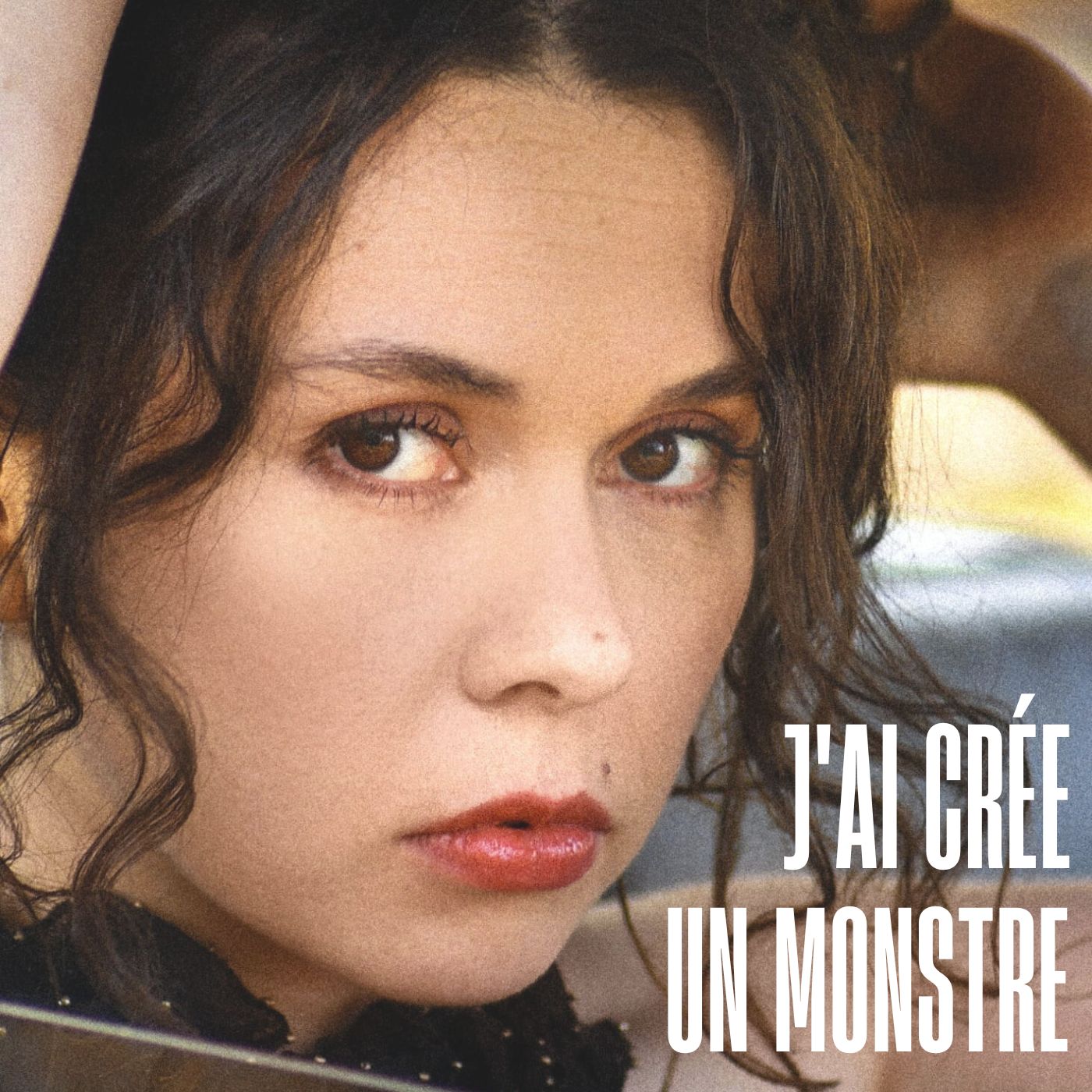
Tessier, working alongside composer Franck Rapp, has crafted what the press materials aptly describe as a "crescendo émotionnel et cathartique" – though such clinical terminology barely captures the raw emotional undertow that drives this remarkable piece. The marriage of "poésie brute et piano organique" creates a sonic landscape both intimate and expansive, where vulnerability becomes a kind of fierce strength.
The song's central conceit – the speaker's complicity in nurturing a destructive relationship – avoids the self-pity that often mars such introspective material. Instead, Tessier's vocal delivery carries a weight of hard-won wisdom, her phrasing suggesting someone who has emerged from the wreckage with clarity intact. The production, handled with restraint by Didier Thery, allows space for both the piano's organic textures and Tessier's voice to breathe, never overwhelming the song's essential fragility.
The collaboration with lyricist Steven Vourch has yielded writing that cuts deep without resorting to melodrama. The French language, with its capacity for both precision and ambiguity, serves the material perfectly. Tessier inhabits these words with the conviction of lived experience, never performing pain but simply presenting it with unflinching honesty.
"J'ai créé un monstre" poses the question "Qui n'a jamais aimé un monstre?" with the kind of directness that makes listeners examine their own romantic choices. It's a brave piece of work that confirms Tessier as an artist willing to mine the darker recesses of the human heart without losing sight of the light.