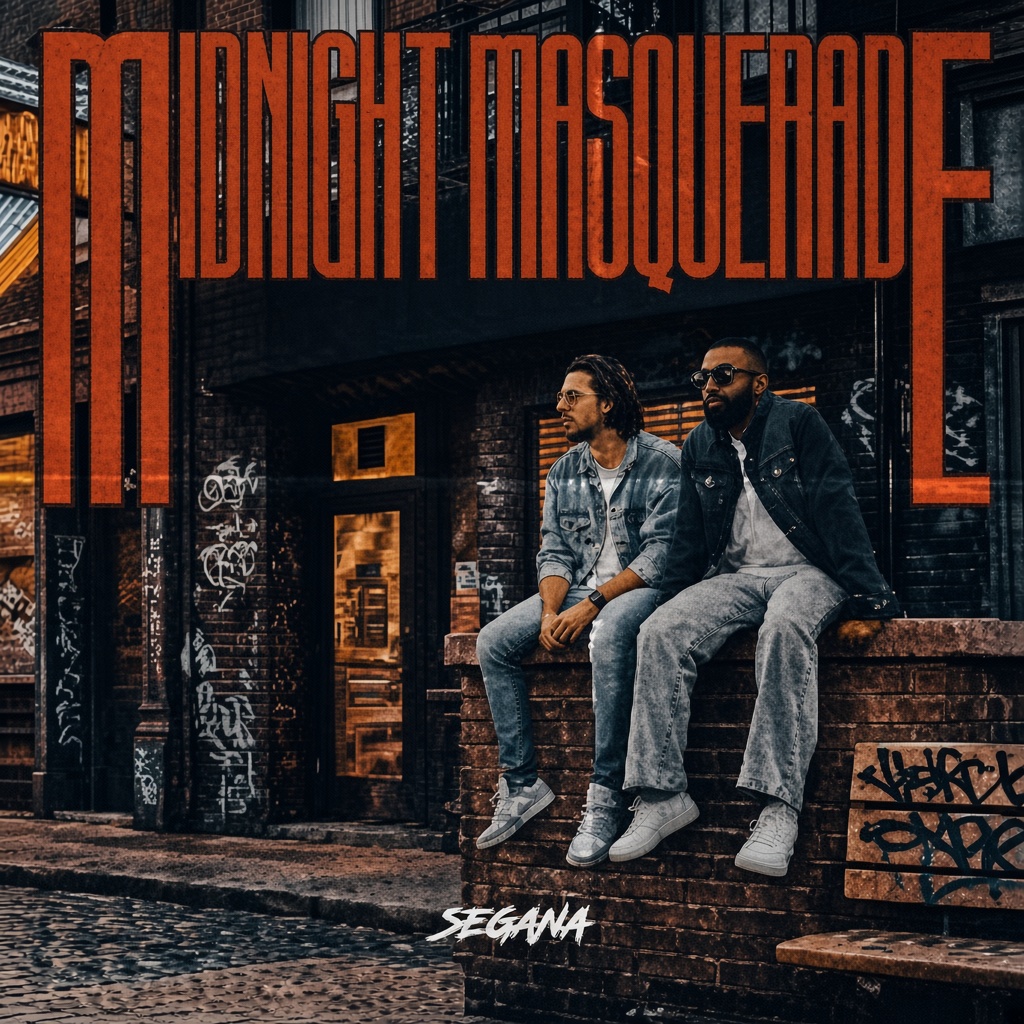
The pair met at the JMC Academy and broke through in 2018 with "Forget You". They have since wandered through rock and roll, R&B and hip hop, and that restlessness pays off here. They wear all of it lightly. The album's currency is the hook, but the hooks are laid over a darkness that keeps the whole thing from tipping into candy floss.
The adrenaline songs come first in the memory. "Earth to Mercury" is an ignition sequence, all burning limbs and momentum, a song that treats gravity as a personal insult. "Swingin Sixties" is the album's best idea: a smoky, lipstick-smeared daydream of fast cars and fever-dream nights, pitched somewhere between a Soho back room and a Sydney laneway. It is nostalgia with grit under its fingernails, and the chorus has the kind of lurch that sends you straight back to the start.
Then the shadows gather. "How Could They Know" is a nervy piece of storytelling, a pursuit set to pulsing synths, with the title question repeated until it curdles into paranoia. "Dancing in the Rain" turns the storm into a love scene, thunder and tide doing the work that lesser writers hand to strings. "You're the One" slows the pulse and lets the vocals carry the weight, and it is notably tender for a band so fond of volume. "Cherry Crush", meanwhile, is a sugar rush of a pop song with a stuttering hook. It could easily have been trite. Instead it sounds like two musicians who know exactly how much fun they are having.
The title track is the record's centre of gravity. Masks, fire and reflections swirl around a cinematic pulse, and the song gets at what the whole album is circling: that disguise is often the quickest route to honesty. Once the rules loosen and identities blur, people say the truest things. "Feels Like Heaven" lifts into something close to rapture, and "To Be a Believer" is a strutting, dancefloor-ready surrender to a bad idea. "Believe" is the album's rawest moment. It is a song of self-doubt and responsibility, it asks hard questions of its own narrator, and it leaves you humbled rather than merely entertained. Placing a confession that candid on a record this glossy is a brave piece of writing.
Credit is due to the production, which Djuna and Paltoo handled themselves, and to Leon Zervos's mastering at Studio 301. The synths hit with a clean, heavy punch, the low end has real muscle, and the vocals sit clear in the mix, confident without ever shouting. Nothing is buried, and nothing is crowded.
Segana have not reinvented synth-pop, and they have not needed to. What they have done is give it back its pulse, its menace and its sense of occasion. *Midnight Masquerade* is a night out you will be glad to have been invited to, and one you will want to repeat.