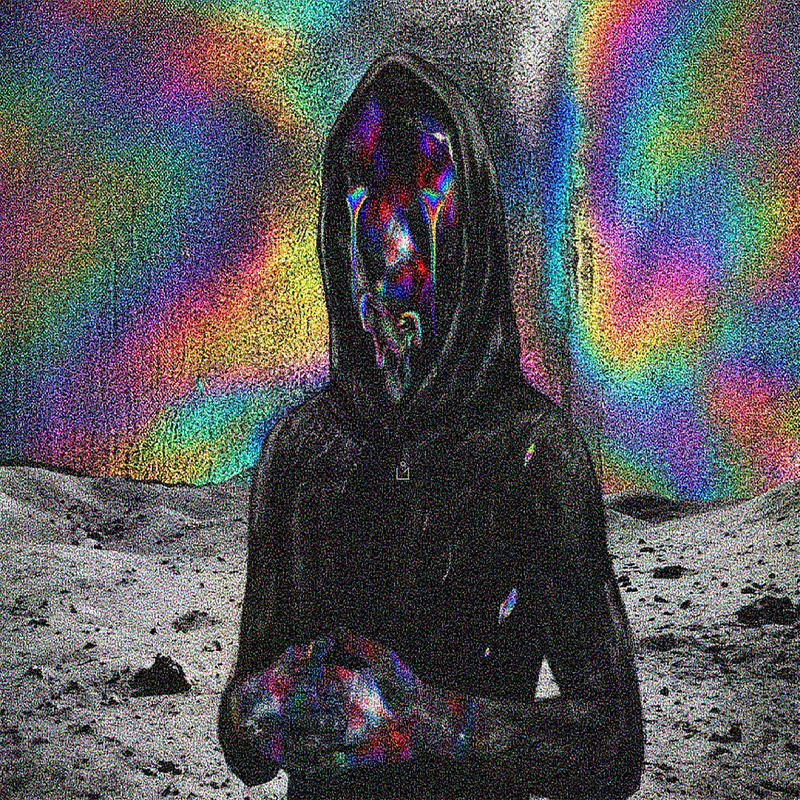
Kizzy sings and produces; Dreadf4ll plays guitar and produces. Neither is employed by anybody else, which is the point. Entirely independent and entirely self-produced, this is a record with no committee fingerprints on it, no A&R man nervously asking whether the chorus could be bigger or the bridge more "playlist-friendly". The result is a body of work that sounds like two people arguing with themselves and, gloriously, refusing to settle the argument.
Start with the title, which is the best thesis statement of the year so far. Dead ends are the walls of ordinary life: the job, the rent, the three-a.m. ceiling. Daydreams are the trapdoor out. Between them sits this band, working the hinge. Metalcore's lurching violence, post-hardcore's raw-throated urgency, dark pop's sugar-laced melancholy and electronic music's cold shimmer all get a turn at the wheel, yet nothing here feels like a genre checklist being ticked off. The seams are audible, and the band wear them like scars rather than hiding them under polish.
"Grave" and "Almost" are the knuckle-dusters. Dreadf4ll's guitars arrive distorted and unapologetic, and the production leans on them with a sort of cheerful menace, electronic textures crawling in the gaps like static in a haunted radio. These are songs built for sweaty rooms and bad decisions, immediate in the way that a slammed door is immediate. They would make a fine opening salvo for any act in the country, let alone one doing its own mixing.
Then comes the trick that elevates the record above the merely competent. "Cement" and "Silence" strip the armour off. Here the pummelling retreats and Kizzy's voice steps forward, honest to the point of discomfort. Songwriting this unguarded is rarer than a heavy riff, and it takes more nerve. Where lesser bands treat the quiet song as a breather between the loud ones, Escape The Box treat it as the sharpest weapon in the arsenal. The vulnerability isn't a pause in the aggression; it is the aggression turned inward, which makes it land harder. After the bruising of "Grave", a song like "Silence" feels less like relief than like the bruise being gently pressed.
And then "Great", a title that arrives with a smirk, since the record is hardly interested in a cheap victory lap. It is the track the band themselves point to as a favourite, and it is easy to hear why: it gathers the record's warring impulses into one place and lets them shake hands without either surrendering.
What holds it all together is a wilful refusal to chase anyone else's idea of how alternative metal ought to sound. Too many records in this territory are sanded down until they gleam and mean nothing. *Dead Ends & DayDreams* keeps its rough edges and is better for them. It is heavy when it needs to be and melodic when it matters, and it understands that those are not opposing camps but neighbouring rooms in the same cluttered, lived-in house.
A mini-album is a short sprint, and this one wastes no breath. It leaves you wanting more, which is the correct condition in which to leave anyone. Escape The Box have built a small, strange, genuinely personal world, and the door is open. Walk in, turn it up, and let the dead ends take care of themselves.