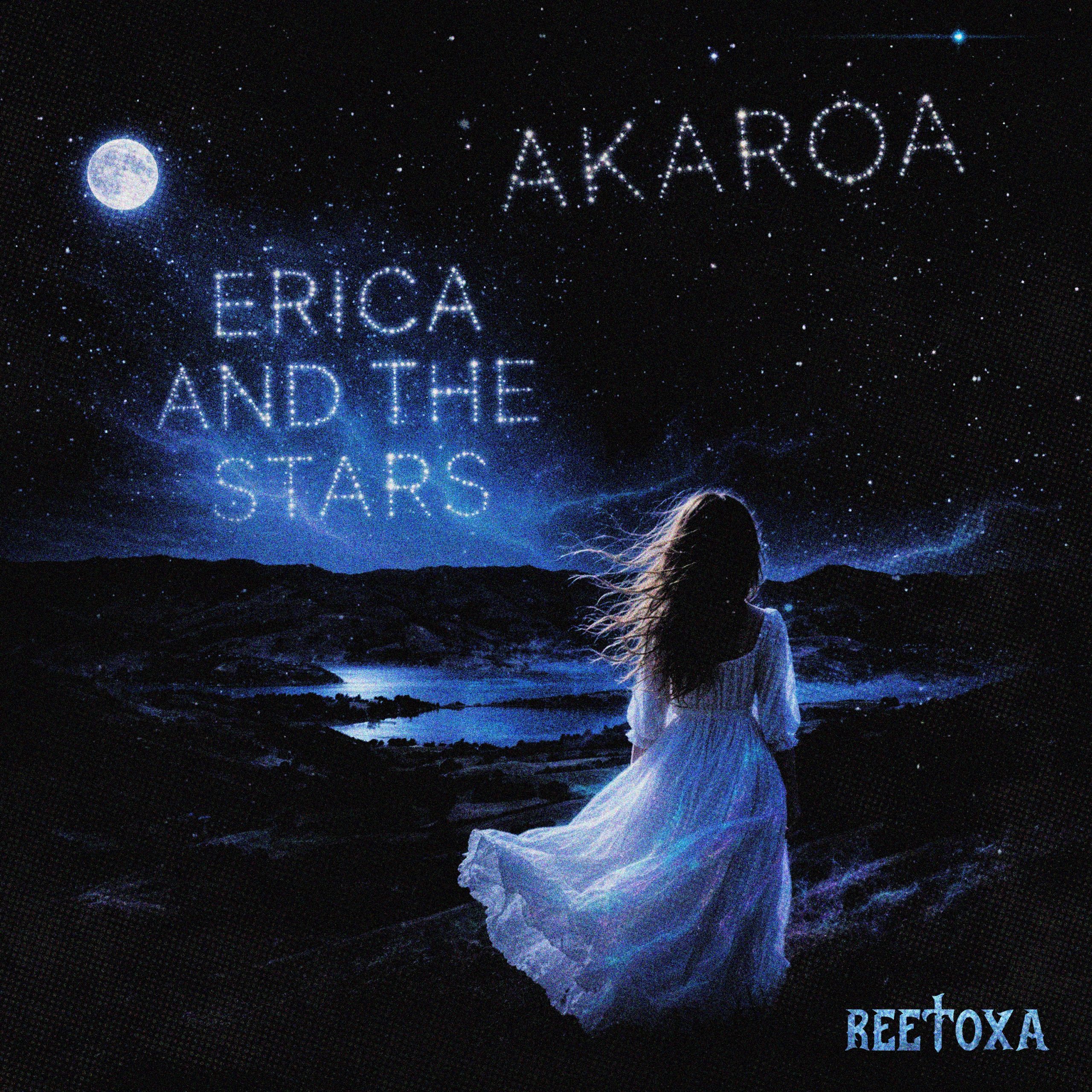
The song vanished by morning. It came back in 2019, when a cruise ship diverted by bad weather deposited Mckee on a beach in the very town he had spelled out as "ak a row a", and the melody walked into his head as though it had only stepped out for a smoke. He finished it in his cabin that night. Hearing the result, you would swear the delay was the making of it. "Akaroa" carries the ache of something held in trust for years, built around a Hendrix-style octave-chord figure played with the unhurried swing of a man who no longer needs to prove anything. The band around him is an Australian pop-rock roll call: James Ryan of Men at Work on guitar, Kit Riley on bass, Peter Martin of Jet on drums. They play with the tact of musicians who understand that a song about grief needs room more than muscle. Terry Hart's piano slips into the gaps like light under a door, and Jessica Mcpherson-Riley's backing vocals give the chorus a warmth that never tips into sentiment.
If "Akaroa" is a private prayer, "Erica And The Stars" is a cathedral. It was written in the grip of psychosis, when the voices in Mckee's head, initially helpful collaborators, turned cruel. Erica herself stepped out of a seven-inch sleeve on his shelf in a spacesuit, ray gun raised at the heavens. Ziggy Stardust would have approved of the costume, and Major Tom would have recognised the control tower Mckee imagined blowing up on his way back from the edge. Rock songwriters who reach for an orchestra usually end up with a string quartet sellotaped to a ballad. Here the Budapest Orchestra is the song's central nervous system, realising, as Mckee tells it, precisely what he heard in his head in a hospital room. The strings swell with the unembarrassed grandeur that Jimmy Webb and Scott Walker once traded in, and they never drown the voice at the centre. It is a track about the mind's worst weather, and it keeps climbing towards the light anyway.
Simon Moro deserves particular credit. As producer, mixer and mastering engineer, he keeps the two songs distinct without letting them drift apart. "Akaroa" stays close and intimate, while "Erica" opens outward, yet both share a clarity and a lack of fuss that let the material do its work.
The double A-side is often a marketing gesture, a way of dressing up a single and a filler. Here it is simply honest, since neither song could sensibly be relegated to the flip. Mckee's account of his own path adds a certain grim poetry. Having changed his surname to his late mother's maiden name, he lost years of lyrics, voice memos and notes to a data disaster, and had to rebuild from memory. A career reconstructed that way is a merciless editor. What survives is what mattered, and these two songs clearly mattered.
Both were born in the worst rooms of a life, and both step out into daylight. That is a rarer feat than a slick chorus, and Reetoxa manages it twice.