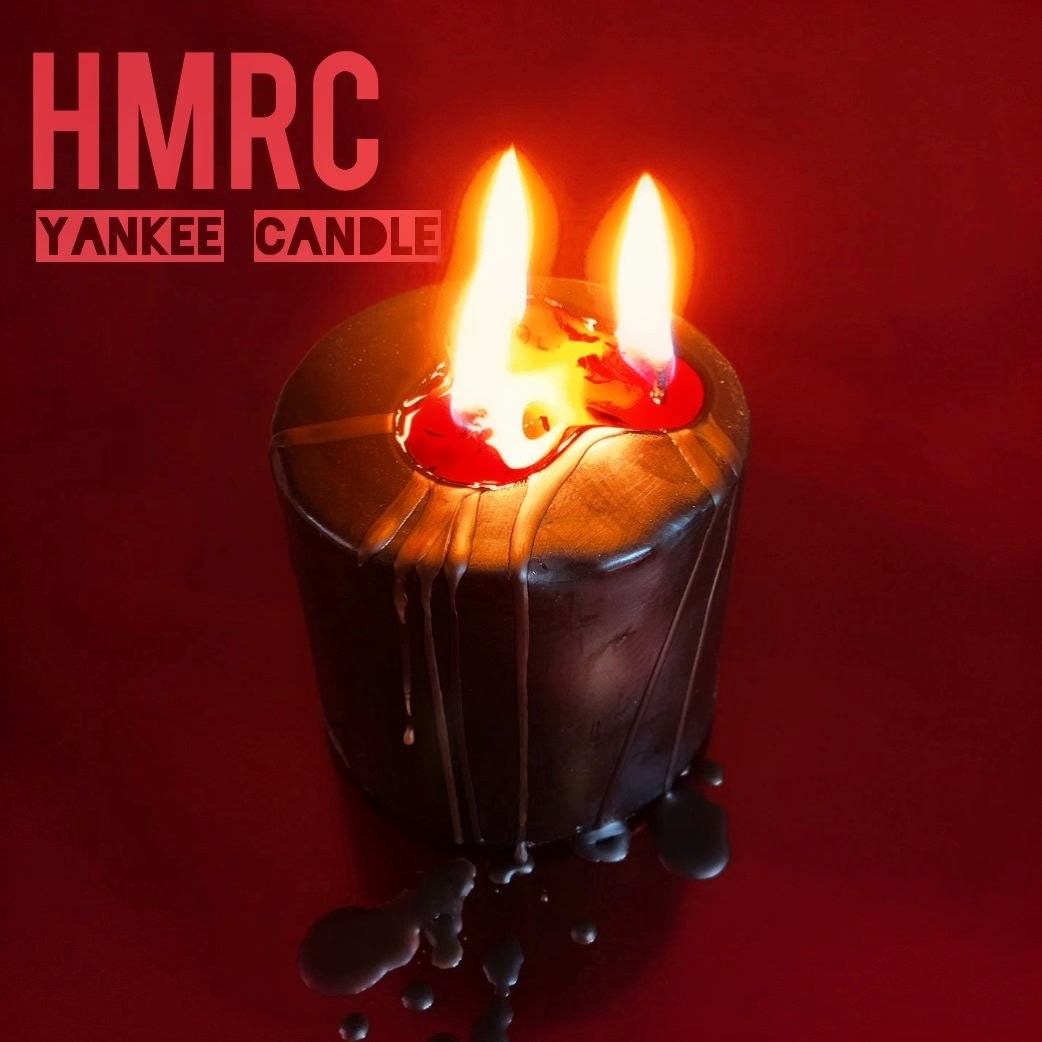
The premise reads, on the surface, like transgression for its own sake: a fictional account of a jealous ex-boyfriend's murder plot against his former partner and her new lover. It is the sort of subject matter that lesser artists would use as a mere provocation, a box to tick on the way to a press release. Holmes does something considerably more unsettling. He means it. The entire narrative arrived in a single insomniac eruption — the kind of creative fugue state that produces either nonsense or something genuinely dangerous — and the result, Holmes has admitted, left him feeling he needed therapy simply from re-reading his own words. When an artist is disturbed by their own creation, the audience would be wise to pay attention.
Lyrically, the debt to Suicide's "Frankie Teardrop" is audible and acknowledged. That 1977 masterpiece of working-class American dread — ten minutes of Alan Vega screaming into the void, a synthesiser snaking beneath like a rat in a wall cavity — established a template for songs that refuse to look away from violence and desperation. Holmes plants himself firmly in that lineage. Where "Frankie Teardrop" described a factory worker's unravelling with the pitiless neutrality of a police report, "Yankee Candle" channels something more internally fractured, a narrator whose obsession has curdled into something that no longer recognises itself as monstrous. The power is not in shock but in intimacy. You are inside the skull of someone whose reasoning has gone completely wrong, and Holmes never once offers you an exit door.
Musically, the shadow of Slint's *Spiderland* falls long across the recording. The angular, whispering-into-screaming dynamics that Louisville's finest perfected in 1991 — that sense of a structure holding itself together with enormous effort before something gives — runs through "Yankee Candle" like a fault line. But Holmes is not simply plundering an influence. Post-rock's greatest trick has always been the weaponisation of dynamics, the way silence can be more threatening than noise, and here those tools are deployed in genuine service of the narrative rather than as genre furniture.
The decision to record the track as a live performance at Little Buildings in Newcastle deserves particular attention, and considerable praise. A studio version might have ironed out the chaos into something palatable, something that could sit beside a Spotify playlist without causing social awkwardness. The live capture does the opposite. You can feel the room, the physical fact of the performance, the sense that the whole thing might collapse or erupt at any moment. It is precisely the right choice for material this volatile. The chaos of the story is the chaos of the recording; form and content are inseparable.
Newcastle's underground music scene has been quietly incubating something worth watching for several years now, and HMRC feels like the kind of act that arrives with genuine intent rather than the ambient aspiration that fills most debut releases. Holmes is clearly not making music to be liked. He is making music to be believed — and to make you believe something uncomfortable about the human capacity for obsession and cruelty.
Debut albums carry the weight of promising too much. "Cost of Living" — due later this year — will need to demonstrate whether Holmes can sustain this level of unflinching commitment across a full record, or whether "Yankee Candle" is an extraordinary moment that a longer format will expose. But as a statement of purpose, this single is close to unimpeachable. Dark, forensic, technically uncompromising, and deeply uneasy to sit with: exactly what the best music, in any genre, ought to be.