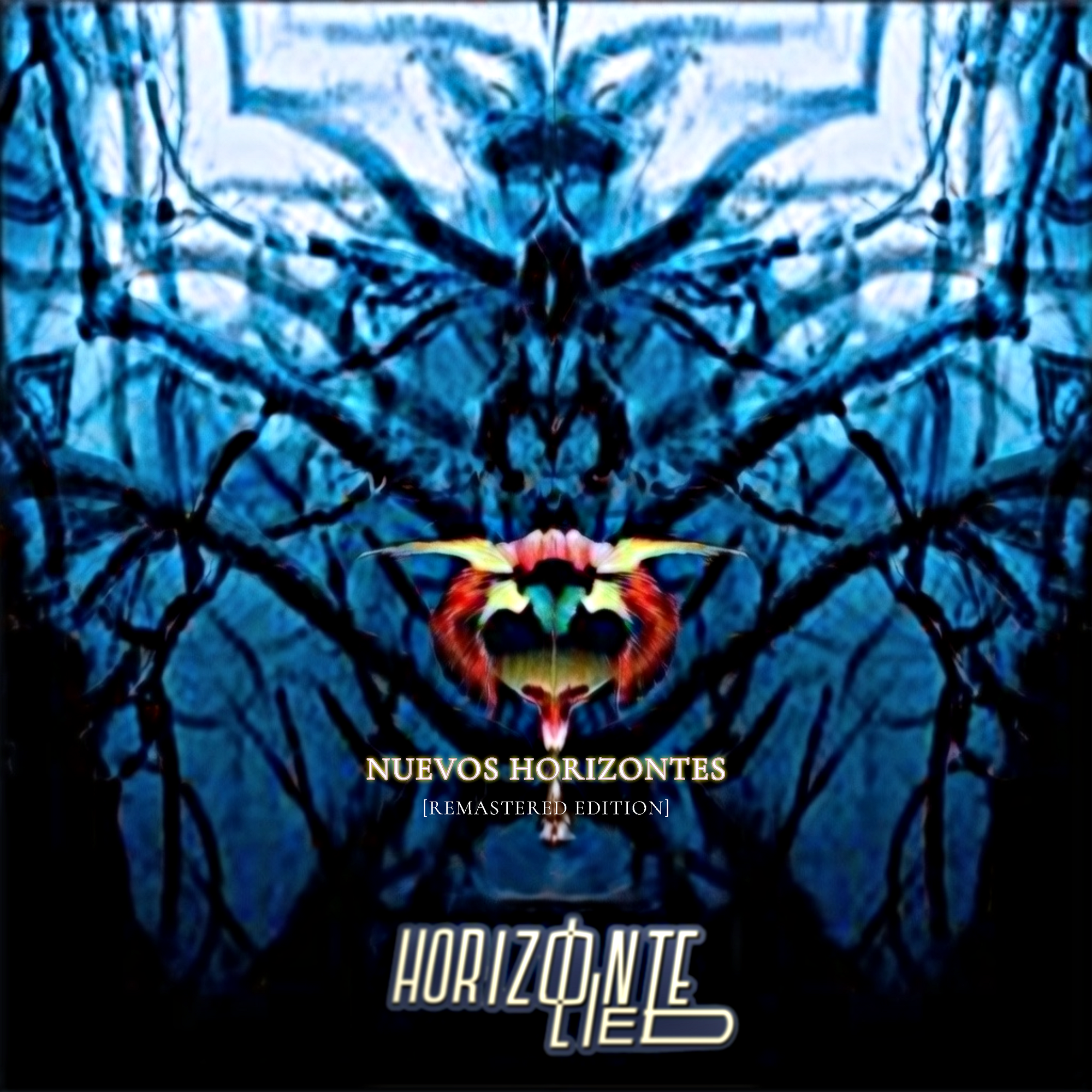
The three-piece — Alex Ezert handling production, mixing, programming, synths and lead vocals; Bernardo H. Garza sculpting keyboards and sound design; Luis "El Cartún" Pérez anchoring the live percussive dimension — have long occupied a singular position within Mexico's underground. Pioneers of a dark industrial synthpop idiom that the mainstream never quite caught up with, they opened for Clan of Xymox back in 2002 and earned their stripes the hard way: not through viral moments or algorithmic fortune, but through sheer commitment to a sound that demands patience from its listeners.
That patience is rewarded here. The EP's production lineage is itself a kind of archaeology — these songs began life as impulse tracker demos, migrated through Nuendo, Reaper, and Ableton before arriving, finally, in Cubase 12, with certain elements reborn in MPC Live 3. To call this a remaster is to understate things considerably. Ezert himself acknowledges as much: these are hybrid creations, closer to new compositions than restored artefacts, and they sound it. The layers are dense, almost pressurised — the kind of production that reveals a new detail on the twelfth listen, a buried sidechain pulse or a half-submerged melodic fragment that suddenly surfaces like something remembered from a dream.
The debt to Depeche Mode and Nine Inch Nails is audible but never slavish. More interesting is the shadow of Alan Wilder — the architect's architect, the man who gave *Songs of Faith and Devotion* its mechanical soul — and the producer Flood, whose fingerprints have graced some of the most claustrophobic and beautiful records of the past four decades. Horizonte Lied have absorbed these influences not as blueprints but as philosophies: the idea that darkness in music should feel *constructed*, not merely gestured at.
"Tu Enigma" opens with that particular breed of synthpop paranoia — skepticism worn as identity, the obsessive need to unpick received wisdom. It sits in that fascinating zone between conviction and doubt, and Ezert's vocal delivery navigates the tension with care. "Punto Crucial" is perhaps the EP's most emotionally complex offering, a meditation on self-deception that refuses the easy catharsis of pure despair, instead pushing toward something harder to name — an optimism that has been *earned*, not assumed. The production here is particularly striking: the arrangement breathes and contracts like something alive, uncomfortable.
"Romper una Era" is where the record stakes its most ambitious claim. Described by the band as experimental and meditative, it functions as a farewell — not the theatrical kind, draped in fog and feedback, but the quiet and devastating variety. A reckoning with the internal conflicts that shaped an earlier incarnation of the band. The lyric that the band cite as emblematic — about exposing time's deceptions as the precondition for breaking with the past — gives the track its moral centre. It is, in the truest sense, a piece of music that knows what it is trying to say and says it without blinking.
The penultimate instalment in their "Remasters Finales" project, *Nuevos Horizontes* arrives with the particular authority of work that has been genuinely lived-in. These are not songs polished for presentation; they are songs that have been *survived*. Monterrey's underground rarely receives its due from critics whose horizons tend to stop at the Rio Grande, but that oversight is their failing, not the band's. Horizonte Lied continue to operate on their own terms, in their own time, producing work of uncommon depth and integrity.
The darkness here is not aesthetic posturing. It is the sound of a band looking back without flinching, and moving forward with their eyes open.
*Reviewed by a correspondent who believes the best industrial synthpop comes from places the industry forgot to colonise.*