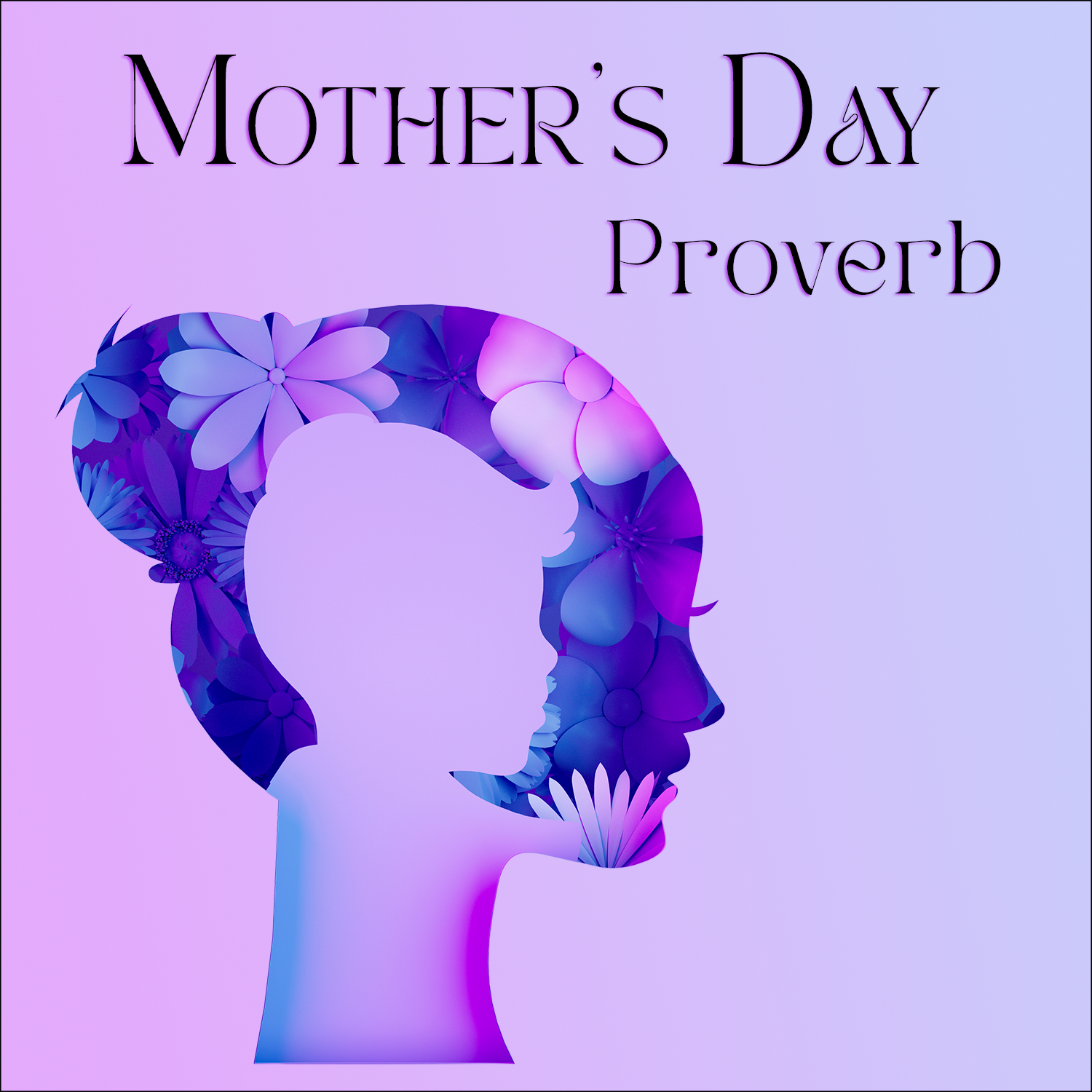
The format itself deserves consideration. Johnson calls this a "musical audiobook," and the description is apt in ways that no single genre label could encompass. The piece refuses to be pure jazz, refuses to be piano minimalism in the Nils Frahm school, refuses to be mere spoken-word with accompaniment. It occupies a strange and rather beautiful hinterland between Harold Budd's impressionistic atmospherics and the kind of late-night intimacy one associates with Bill Evans playing alone at the Village Vanguard, thinking out loud into the room.
"Johnson trusts silence the way a good novelist trusts white space — as a structural material, not an absence."
The piano improvisations here are sensitively wrought. Johnson does not impose himself on the text; rather, he builds a tonal environment in which the words can breathe. His touch is restrained — almost courtly — and there is a quality of deep listening to his playing, as if the music is responding in real time to what the narration discovers in itself. The modal voicings drift and pool without resolution, which is precisely the right instinct. Proverbs 31, for all its declarative confidence ("Who can find a worthy woman? For her price is far above rubies"), carries within it a kind of elegiac tenderness; Johnson's harmonic vocabulary honours this without ever underlining it twice.
The narration is where the work earns its place. Johnson reads with the measured cadence of someone who has lived alongside these words for some time, who finds in them not religious duty but genuine wonder. He is not performing piety; he is sharing attention. The effect is disarming. When the text reaches "Her children rise up and call her blessed," the phrase arrives not as a triumphant flourish but as a simple, almost private recognition — the kind of thing said quietly across a kitchen table rather than proclaimed from a pulpit. This restraint is the production's greatest strength.
One could argue, and the argument would not be baseless, that twelve minutes tests the patience of a streaming audience weaned on three-minute formats and algorithmic distraction. Johnson is clearly unconcerned by this objection, and he is probably right to be. The track finds its target audience — playlists for Mother's Day, Meditation, Spiritual listening — with a precision that commercial brevity could not match. Some music requires duration the way a cathedral requires height. You cannot compress the feeling.
"The piece refuses to be pure jazz, refuses to be piano minimalism — it occupies a strange and rather beautiful hinterland."
The release arrives as a single from Johnson's broader "Reflections on… The Proverbs of Solomon" album, which suggests that this is a considered excerpt from a larger artistic project rather than an opportunistic seasonal release. That context matters. The track carries the weight of a body of work behind it, and the weight shows — productively — in every unhurried bar.
What "Mother's Day Proverb" ultimately accomplishes is something genuinely difficult: it makes the listener feel that honouring a loved one might be a musical act as much as a sentimental one. The piano does not illustrate the text so much as it dignifies it, and the voice does not perform the music so much as it companions it. For twelve minutes, the ancient and the intimate become one and the same thing. That is no small achievement.
VERDICT
A contemplative, genre-defying offering of rare sincerity. Johnson's instinct for restraint and his feel for the sacred in the everyday make this a track that lingers long after the piano falls silent.