Vior's background—eighteen years wielding a baritone in symphony orchestras before pivoting to vocals, guitar, and production—manifests itself clearly across "Lovesign." The track possesses a structural sophistication that speaks to classical training, yet it never feels overly academic or divorced from pop's immediate pleasures. The floating synthesizers he employs don't simply decorate the arrangement; they function as architectural elements, creating space within which his vocal can breathe and the message can resonate.
The production walks a tightrope between contemporary polish and retro warmth. Those pulsating electronic beats anchor the track firmly in 2026, yet subtle nods to synth-pop's glory years—specifically the mid-80s through the early 2010s—provide a nostalgic shimmer without descending into pastiche. This is no mean feat. The graveyard of modern pop music is littered with artists who mistake sonic cosplay for genuine synthesis of influences. Vior, to his credit, understands the difference. His 80s influences arrive filtered through decades of subsequent development, creating something that feels simultaneously familiar and fresh.
Lyrically, "Lovesign" tackles well-worn territory—the eternal tension between security and passion, between societal expectations and personal fulfillment. Yet Vior's approach sidesteps the pitfalls of naive romanticism. He doesn't dismiss the importance of jobs, money, and security; rather, he questions whether these practical necessities should entirely eclipse the "fire within." It's a mature perspective, one that acknowledges adult responsibilities while insisting that pragmatism needn't mean spiritual capitulation.
The song's central metaphor—the "lovesign" as both beacon and directive—works effectively, though one wishes Vior had pushed the imagery further. The best pop songs often take a single evocative image and explore it from multiple angles, finding new facets with each verse and chorus. "Lovesign" hints at this potential without fully realizing it.
Vocally, Vior demonstrates admirable restraint. Rather than oversinging—that perennial temptation for artists with something to prove—he allows space and silence to function as instruments themselves. His delivery balances euphoria with melancholy, never quite tipping entirely into either emotional register. This ambivalence serves the song's themes well; after all, choosing passion over security is rarely an unalloyed triumph.
The single functions as an effective harbinger of the forthcoming "Time Decorations" album. One can discern the broader conceptual framework—self-reflection, breaking routines, societal pace, loss, arrival—that will presumably unfold across the full-length. Whether Vior possesses sufficient artistic range to sustain these themes across an entire album remains to be seen, but "Lovesign" certainly suggests he's equipped for the attempt.
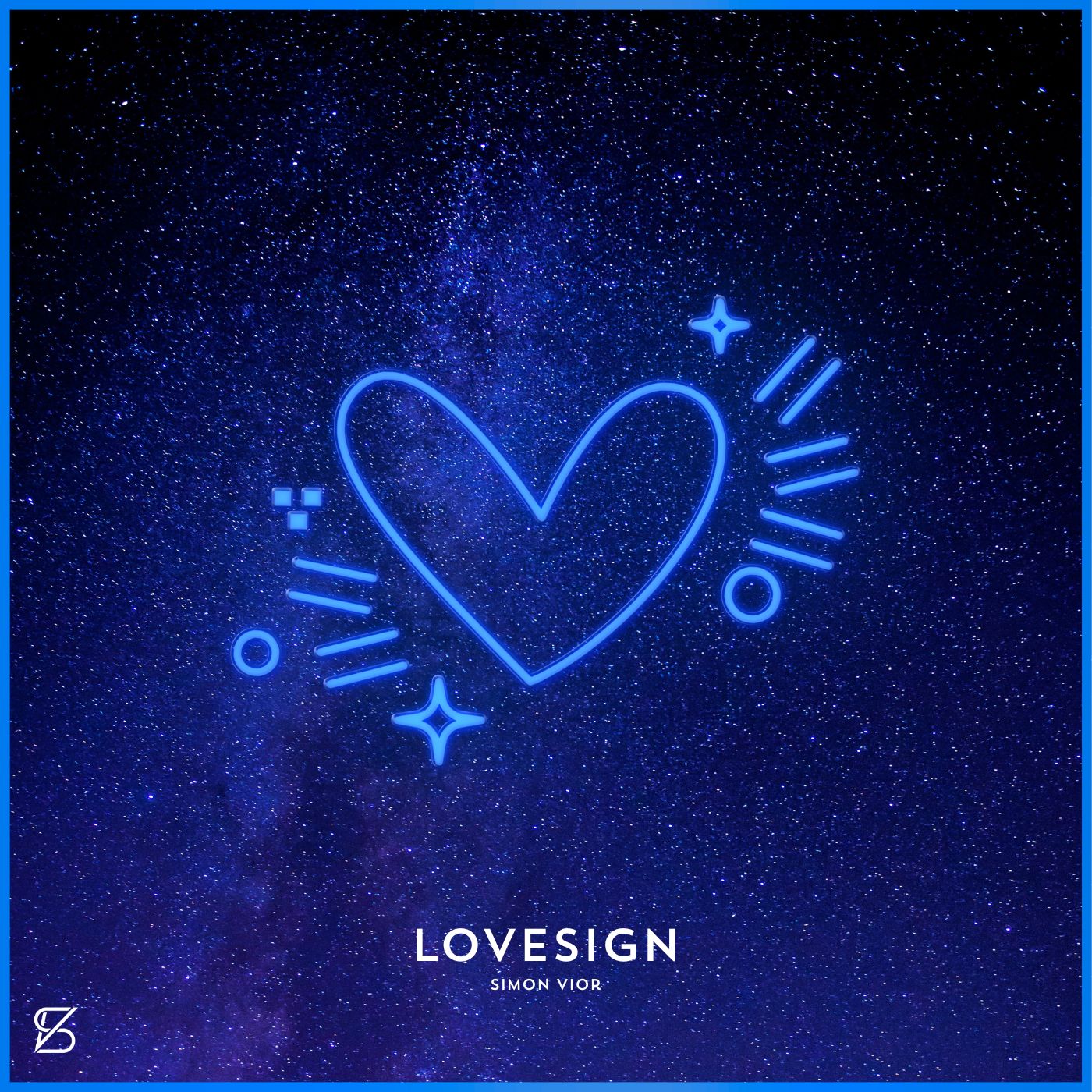
Vior's visual concept—individual logos for each song—demonstrates an admirable commitment to gesamtkunstwerk, that total artistic vision where sonic and visual elements intertwine. Such ambitions can read as pretentious when the music doesn't warrant them, but "Lovesign" justifies this approach. The track feels considered, intentional, designed.
Ultimately, "Lovesign" positions Simon Vior as an artist worth monitoring. The single doesn't reinvent pop music, nor does it aspire to. Instead, it offers a thoughtful, emotionally intelligent take on the form—danceable yet substantive, contemporary yet historically aware. Whether Vior can build on this foundation or whether "Lovesign" represents his creative ceiling will become apparent with the full album's release. For now, this is accomplished, affecting pop music that trusts its audience's intelligence while never forgetting that pop, at its core, should make you feel something. And "Lovesign," for all its cerebral construction, undeniably achieves that fundamental goal.