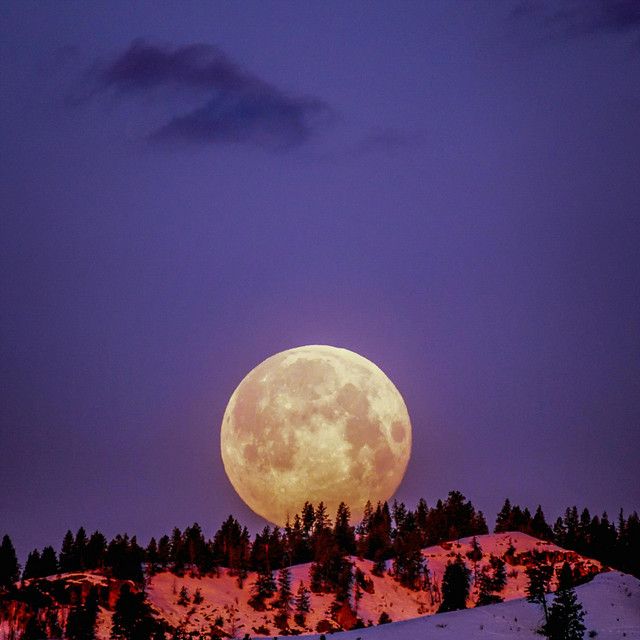
Martin Lloyd Howard's *Selene* arrives as a study in restraint and atmospheric suggestion, a solo classical guitar piece that aspires to capture something as ineffable as moonlight itself. Named for the Ancient Greek goddess of the moon and inspired by a moonscape painted by the composer's wife, the work positions itself firmly within the Romantic tradition of programmatic instrumental music—compositions that seek to evoke specific images, moods, or narratives without recourse to words.
The choice of G minor as the tonal centre proves unexpectedly felicitous. It's an unusual key signature for classical guitar, one that requires the instrument to work slightly against its natural resonances, lending the piece a distinctive timbral quality—neither quite as warm as the more common keys of E minor or A minor, nor as bright as D major. This inherent tension in the tonality mirrors the piece's stated intention: to evoke pale moonlight with clouds scudding across it. The key itself possesses a certain coolness, a nocturnal character that feels entirely appropriate.
Howard, whose pedigree includes classical training alongside subsequent explorations into folk, blues, and rock, brings to *Selene* a technical assurance born of decades spent with the instrument. His primary tool here is a fifty-year-old hand-built classical guitar, and one can hear the instrument's accumulated character in every phrase. The warmth of aged wood, the particular resonance of a guitar that has been played consistently for half a century—these qualities infuse the recording with an authenticity that newer instruments often lack.
The piece unfolds with the unhurried patience of genuine contemplation. Howard understands that moonlight doesn't announce itself; it reveals itself gradually. The opening gestures establish a harmonic landscape that privileges space over density, allowing individual notes to bloom and decay naturally before the next phrase arrives. There's a welcome absence of virtuosic display here—no cascading arpeggios simply because they might impress, no percussive effects merely to demonstrate technical range.
Instead, the composition moves through its trajectory with considered purpose. The melodic lines possess a certain modal quality, occasionally suggesting influences from the folk traditions Howard has explored elsewhere in his catalogue. These aren't the rigorous contrapuntal structures of Bach, nor the ornate flourishes of nineteenth-century salon music, but rather something more personally expressive, less beholden to historical precedent.
The stated programme—moonlight with clouds passing across it—finds musical expression in the work's dynamic shaping and textural variety. Howard employs shifts in register and tonal colour to suggest the interplay of light and shadow, the intermittent obscuring and revealing that characterises a cloudy night sky. The nylon strings of the classical guitar prove ideal for this purpose, their rounded, mellow timbre lacking the metallic edge of steel strings that might undermine the piece's nocturnal character.
Production values remain appropriately unobtrusive. The recording captures the guitar in what sounds like an intimate acoustic space—not the reverberant cathedral acoustics sometimes imposed on solo guitar recordings, but something closer, more direct. This serves the music well, maintaining the sense of private meditation rather than public performance.
Selene achieves what it sets out to accomplish with considerable grace. It offers listeners a brief respite, a nocturnal interlude performed with evident sincerity. Howard's decision to work within G minor, that less-travelled key for the guitar, demonstrates thoughtful consideration of how tonality shapes character. The vintage instrument's voice, captured with appropriate fidelity, provides the timbral foundation necessary for the piece's evocative purpose.
The work sits comfortably within Howard's broader output, which includes titles such as "Wessex Rose," "Lady Teal," and "High Seas"—suggesting an artist drawn to programmatic miniatures, brief musical portraits of places, people, or phenomena. This approach has honourable precedent, from Debussy's preludes to Villa-Lobos's miniatures, though Howard's vocabulary remains distinctly his own, informed by his eclectic background across multiple guitar traditions.
For listeners approaching Selene seeking the complex emotional journey of a Tarrega study or the technical brilliance of a Barrios showpiece, disappointment awaits. But those willing to engage with the piece on its own modest terms will find a sincere, well-executed meditation on a subject that has fascinated composers for centuries: the mystery and beauty of moonlight.
Howard's Selene offers neither revolution nor revelation, but it does provide something increasingly rare—honest craftsmanship in service of a clearly conceived artistic vision. The fifty-year-old guitar sings its nocturne without pretension, the composer's intentions remain transparent throughout, and the listener emerges from the experience precisely where the title promises: somewhere between earth and moon, between wakeful consciousness and the realm of dreams.
The piece endures not through innovation but through integrity, a quality that may prove more durable than many flashier contemporary works. Selene reminds us that the classical guitar, in capable hands and properly conceived material, remains a vessel for intimate expression—even when that expression aims for nothing more than capturing the pale light that has inspired poets, painters, and musicians since time immemorial.