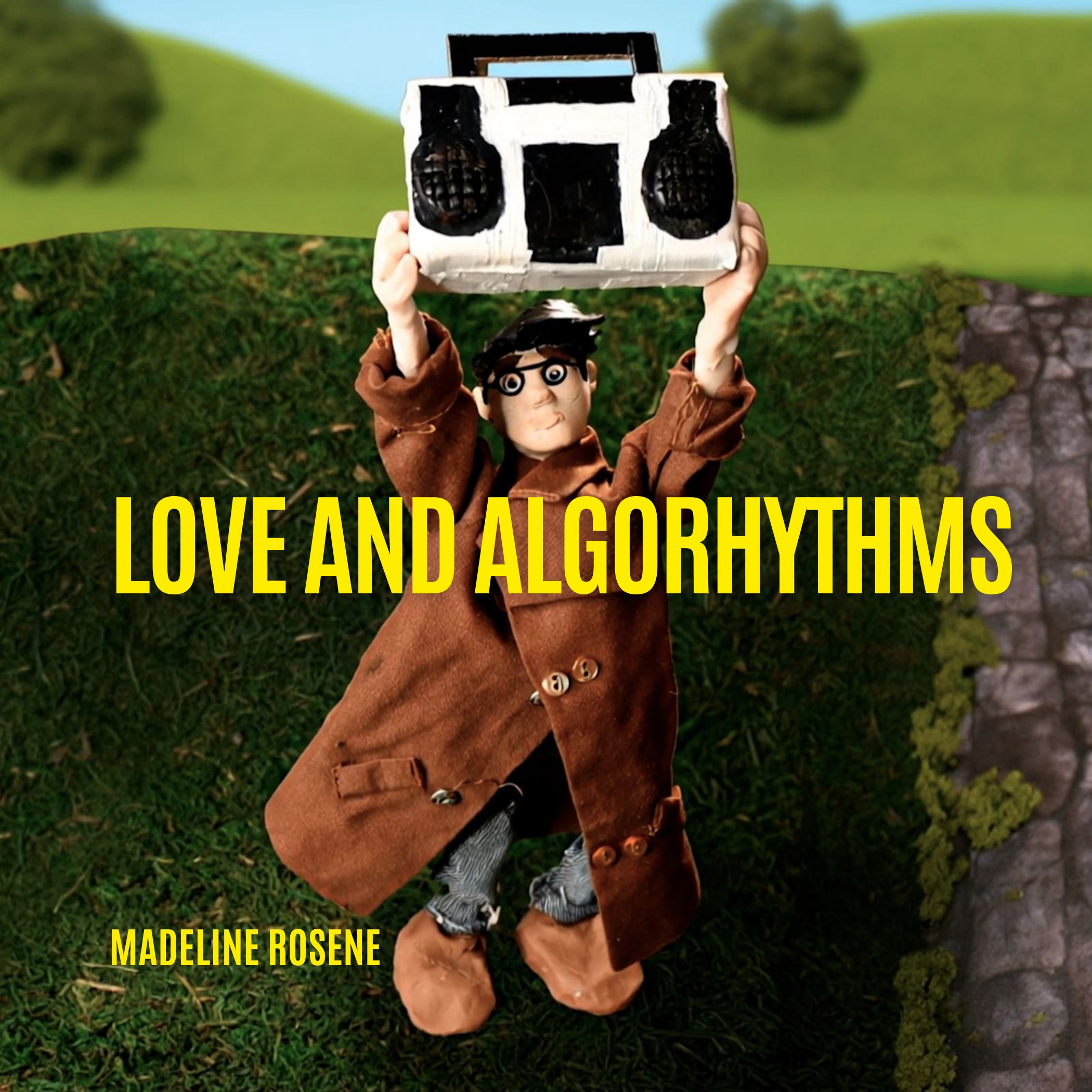
The track opens with an 8-bit flourish—a deliberate nod to gaming culture that immediately situates us in digital territory. But this isn't mere nostalgic window-dressing. Producer Patrick Windsor has crafted a soundscape that mirrors the song's thematic concerns: acoustic warmth butting up against electric edges, organic instrumentation infiltrated by programmed drums and synthetic textures. The arrangement itself becomes a meditation on the hybrid existence we now inhabit, neither fully analog nor completely digital, but suspended in the uncomfortable in-between.
Rosene's voice carries a conversational intimacy that recalls Regina Spektor's theatrical vulnerability, yet there's steel underneath—a refusal to collapse into either cynicism or sentimentality. She's narrating a breakup of sorts, though the rival isn't another person but rather the seductive omniscience of recommendation algorithms. "Is it going to start feeling like Instagram or TikTok understands you better than your partner?" she asks, and the question lands with uncomfortable precision. We've all felt it: that eerie moment when a social platform surfaces exactly what we didn't know we wanted, offering a mirror more flattering than any human observation could provide.
The genius of "Love and Algorhythms" lies in its refusal to take easy shots. This isn't a Luddite screed or technophobic sermon. Rosene grapples with genuine ambivalence—the recognition that these digital systems offer real pleasures, real connections, real understanding, even as they hollow out something essential. The grief she describes is authentic: mourning not for a lost past but for a present that keeps slipping through our fingers while we chase phantom intimacy.
Enter the claymation video, a masterstroke of conceptual coherence. Created with her brother Jack Hubbell, the painstaking stop-motion animation becomes both form and content. Each frame required human hands, human time, human imperfection—a pointed rebuke to the frictionless efficiency of AI-generated content. The clay Madeline, trapped in her scrolling stupor while a flesh-and-blood partner pleads for attention, captures the zombie state of digital addiction with tragicomic precision. The medium's inherent slowness forces viewers to consider the labor involved, the human investment, in direct opposition to the algorithmic instant gratification the song critiques.
Rosene's previous work—albums with titles like *Raised on Porn* and *Everyday Existential Crisis*—established her willingness to prod uncomfortable cultural sore spots. "Love and Algorhythms" continues this trajectory while displaying notable artistic maturity. The sonic influences are clear: St. Vincent's art-rock experimentation, Fiona Apple's emotional fearlessness, Alanis Morissette's unflinching self-examination. But Rosene has synthesized these touchstones into something distinctly her own.
The decision to submit the video to film festivals via FilmFreeway signals ambition beyond the typical single release cycle. Rosene appears determined to position her work within broader conversations about art, technology, and human experience. It's a bold move that risks pretension but mostly succeeds on the strength of the execution.
"Love and Algorhythms" ultimately functions as a lament for attention itself—both the attention we give and the attention we receive. As algorithms grow more sophisticated at predicting and manipulating our desires, the question becomes: what remains of authentic human connection? Rosene doesn't offer solutions, which is precisely why the song resonates. She's simply holding up a mirror, asking us to look at what we've become, and trusting that recognition might be enough to spark something like change. Or at least, to make us put down our phones for three minutes and forty seconds.