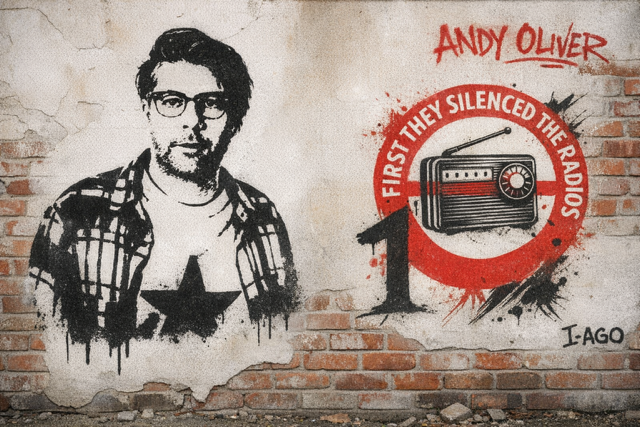
The track's genesis is rooted in the chaotic spectacle of contemporary politics, specifically the contradictory performances of Donald Trump throughout 2025. Oliver watched the press conferences, the erratic pronouncements, the dissonance between calls for peace prizes and the deployment of force against citizens, and found himself unable to remain silent. What distinguishes this from mere reactive commentary is the way Oliver channels his frustration through the lens of musical history, creating something that transcends the immediate moment while remaining firmly anchored within it.
The production choices reveal an artist willing to step outside familiar territory. Recorded in Oliver's own Ballycastle studio, the track benefits from an intimacy that larger, more commercial spaces might have diluted. His decision to incorporate instruments previously unexplored in his work demonstrates admirable creative bravery. The Irish penny whistle, performed by his wife – herself an accomplished all-Ireland player – provides the song's most distinctive sonic signature. This isn't mere ornamentation; the whistle's keening quality cuts through the arrangement like a voice crying out across a landscape of turmoil, lending the track an emotional weight that pure rhetoric could never achieve.
Oliver's own contribution on bodhrán grounds the piece in traditional Irish folk, creating a rhythmic foundation that suggests both defiance and lamentation. These instrumental choices transform what could have been a straightforward protest anthem into something more textured and culturally resonant. The marriage of traditional Irish instrumentation with the American folk-protest lineage creates a trans-Atlantic dialogue that feels particularly relevant given the global nature of the crises Oliver addresses – from the devastation in Gaza to the surreal spectacle of AI-generated political propaganda.
The commercial response has been remarkable. Reaching number one on the iTunes songwriter charts and climbing to number six across all genres suggests an audience hungry for music that engages with the world beyond personal relationships and dancefloor escapism. This isn't success born of algorithm manipulation or playlist placement; it reflects genuine connection between artist and listener.
What Oliver has achieved here is the rediscovery of his artistic voice through engagement with the world beyond his studio walls. His own acknowledgment that people consider this his finest work carries weight – not because commercial validation determines artistic merit, but because it indicates an artist operating at full capacity, channeling genuine emotion into craft. The song speaks to "a world in dismay," and it does so without resorting to empty sloganeering or fashionable cynicism.
"First They Silenced The Radios" succeeds because Oliver understands that effective protest music requires more than anger or righteous indignation. It demands musicality, emotional intelligence, and the courage to make oneself vulnerable. The inclusion of his wife's performance adds a layer of personal investment that elevates the political into the deeply human. This is music made by someone who believes art can still matter, that songs can still serve as witness and warning.
Whether this marks the beginning of a new direction for Oliver or stands as a singular response to extraordinary circumstances remains to be seen. For now, "First They Silenced The Radios" stands as testament to the enduring power of the protest song tradition and proof that compelling political art need not sacrifice craft for message. Oliver has found his voice precisely when we need to hear it.