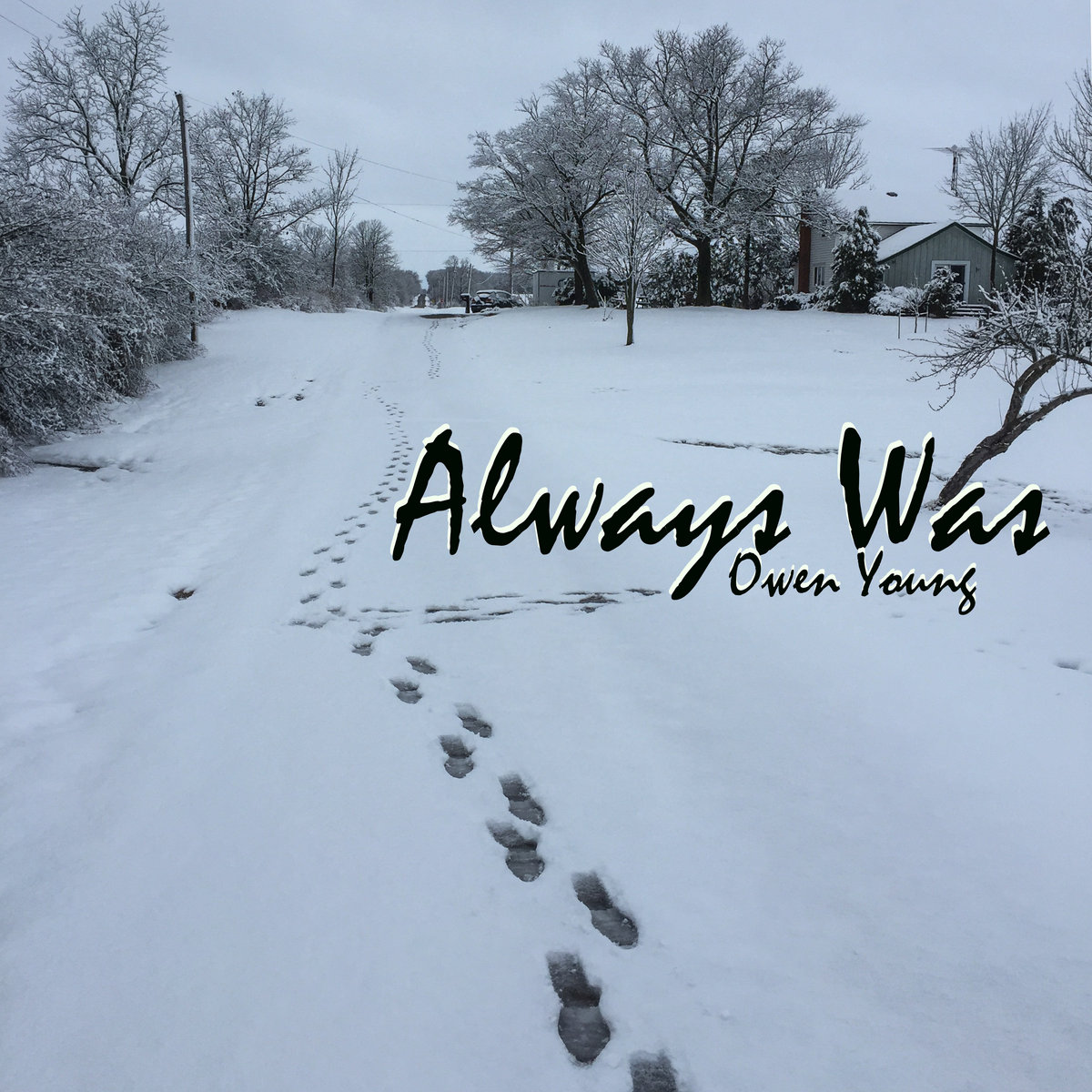
The finest song on this EP gets its whole argument across with a parked car. A Sixty-Four Chevy rolls through a small town with the top down, its young driver paying no attention to the world turning around him. Over five verses the road leads to war: boys shipped off to jungles, poison in the fields, some never coming home and some coming home broken in ways no one will name. Then Owen Young cuts back to the same street and the same lazy cruise, only the Chevy has become a Twenty-Four Camaro. Nothing has been learned, and the roof is still down. It takes three minutes and one refrain, "just as it always was", and it hits harder than most protest albums manage in forty.
That title track sets the terms for the rest. Young, who is nearing the end of his sixties and lives on the Grand River in Haldimand County, calls this his "Boomer" record, and the label carries a sting of self-reproach. He belongs to the generation that once felt compassion so keenly, and he fears it has sunk into greed and self-interest. Most songwriters who take on their own peers rely on sermons. Young relies on pictures, and he is far more convincing for it.
The music keeps its voice low. These are folk and Americana arrangements built on acoustic guitar, with his voice at the front, weathered and unshowy, and the studio work tidy without being fussy. Tia McGraff adds harmonies, and Jill Zimmermann's mix leaves the whole set sounding open and close at once, like a room with the windows up. The tone is easy, the tempos unhurried, and the gentleness is a disguise. Under the pleasant surfaces the words keep a hard grip on their subjects.
"Everyday Heroes" is the EP's tonic, and the brisker of its two moods. A lifelong seeker looks for saviours and finds neighbours, ordinary people doing their best with the load. Young allows the song a rare flash of steel when he calls for people to stand and resist, then returns to humanity's grace with a straight face. It could have been mawkish, and the plainness of the delivery saves it.
The emotional centre sits further in. "When My Angel Flew" is a grief song of real delicacy: a door opened on a private room, an old piano tried and found silent, a street where friends call a name into the night. Young puts a single question to the listener, whether love can exist without grief, and wisely declines to answer it. "Sailing" is the longest track at nearly five minutes, and it earns every one. Two kids from a small town, one who runs for the horizon and one who stays behind, then a phone line that goes dead. It is a short story with a chorus, and the regret in it, the dawning of a love recognised years too late, is handled with a novelist's patience.
The closer, "For My Little One," is a lullaby of blessings for a grandchild, wishing compassion, courage and real heroes on a young life. After four songs of reckoning it reads as the record's reply to its own gloom. Where the title track shrugs at the cycle of folly, this one quietly insists that the cycle can be broken, and it leaves the listener with the dusk, the crickets and the lights going down.
At about nineteen minutes, the EP wastes none of them. It is humane, unshowy and shrewdly sequenced, a small body of work with a large conscience. It arrives from an old man's riverbank with its eyes open, and the world is better served by that kind of vision than by most of what shouts at it. This is a quietly marvellous record.