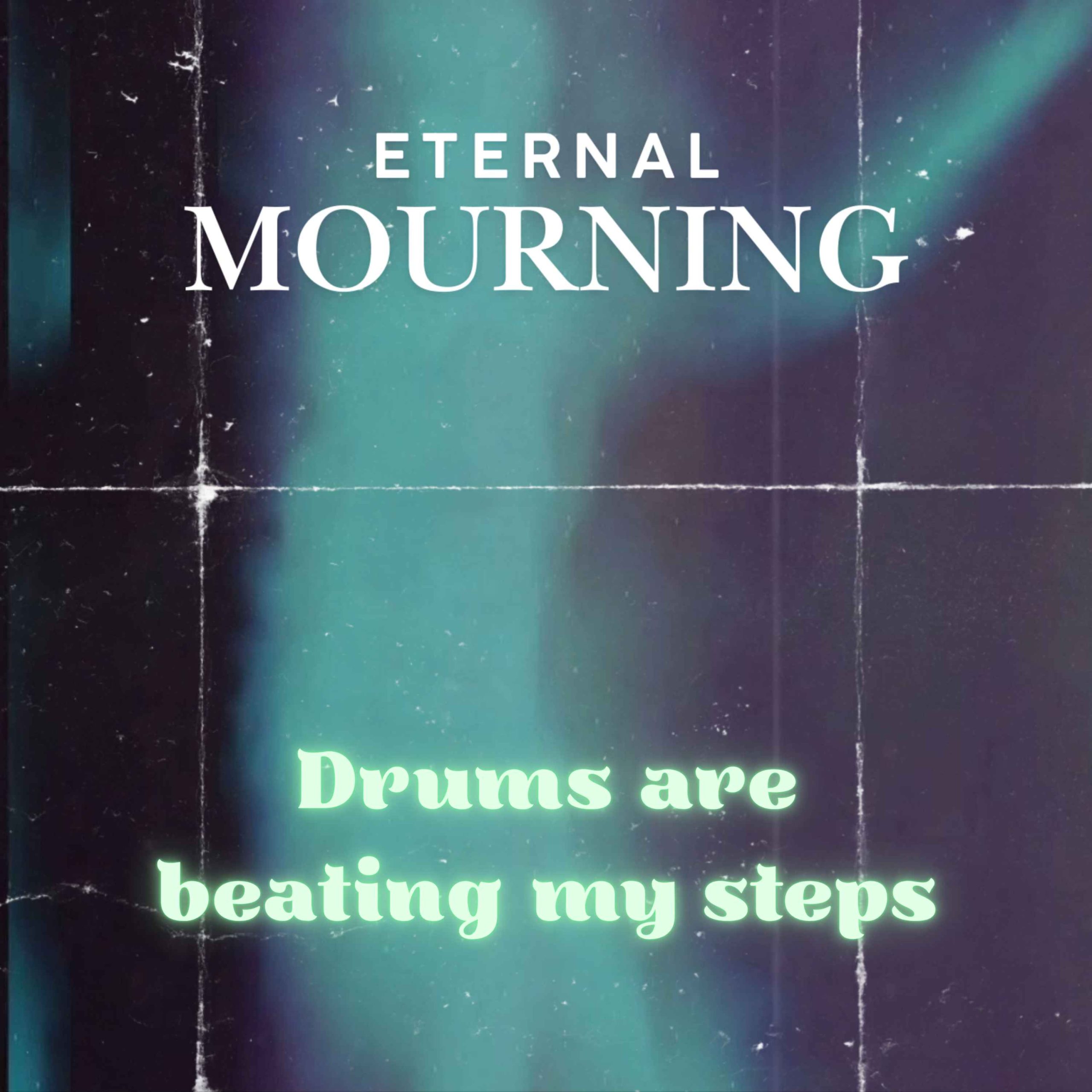
Start with the title, which is a small masterpiece of grammatical menace. The drums do the beating and the steps belong to someone else. The walker has been demoted from protagonist to percussion instrument, which is precisely how three in the morning feels. The body wants to stop, the head has other plans, and some unseen authority is calling the tempo. Mourani never lets the listener forget who is in charge, and it is not him.
That sense of surrendered agency is what lifts the song above the usual sad-bastard indie-folk fare. The genre is thick with men and their acoustic guitars lamenting a restless night as if it were a minor inconvenience, like a delayed train. Mourani writes about insomnia as motion without consent, an inner march that carries on regardless of what the legs or the heart might prefer. The song asks whether to give in to the momentum or wrench the wheel back, and it has the good manners not to answer. Ambiguity is the wiser choice here, and also the more frightening one.
The touchstones are obvious enough, and Mourani wears them lightly. The shadowy, timber-scented gloom of Timber Timbre hangs over the song's atmosphere. The wide-screen ache of The National can be felt in its ambition, and so can the hollowed-out introspection of Beck's *Sea Change*. But a list of influences is only a map of where somebody has been, and Eternal Mourning arrives somewhere distinct. Understated storytelling sits against layered, cinematic instrumentation, and the friction between the two gives the single its pulse. The arrangement keeps its restraint in the foreground while something larger and less friendly stirs beneath it, like furniture shifting in the next room.
The song's history helps explain its texture. It began as a late-night voice memo, the sort of private scrap most of us would delete by morning, and it passed through a home-studio demo and professional sessions before reaching its final shape. Plenty of records lose their nerve on that journey, smoothed into competence until the original fever drains out. This one keeps the fever. It still feels like something muttered in the dark, only now it has been given room to breathe and the kind of production that lets its shadows stay shadows.
Mourani's real achievement is tonal discipline. Melodrama sits close at hand with material like this, and a lesser writer would have reached for it. Instead he keeps his voice level and lets the unease accumulate through suggestion and repetition, the way dread works in life. The cinematic sweep never tips into bombast, and the darkness never curdles into pose. It is a performance of control about the loss of control, and the paradox is delicious.
That Eternal Mourning released the single independently on 23 October only adds to its appeal. This is music made on its own terms, without a marketing department sanding down the strangeness. Anyone drawn to records that reward headphones and a dim room should seek it out.
"Drums Are Beating My Steps" is atmospheric and patient, and it is more troubling than its calm surface lets on. It is also a handsome calling card for a songwriter whose best ideas seem to arrive when everyone else is asleep. Mourani can keep walking to this particular drum for as long as he likes.