Start with the guitars, because the band certainly do. Johnny Zero has dragged his Les Paul out of the cupboard, blown off the cobwebs, and layered it across the left and right channels until the speakers seem to argue with each other. The result is punchy rather than pummelling, bright rather than brash. Each part is cut so cleanly that you can follow it like a thread through a tapestry, and anyone who has suffered through a mix that sounds like a skip fire will be grateful. The sound is Buzzcocks' appetite for a hook welded to the Byrds' love of a jangle, with a Small Faces swagger in the hips. Call it PowerPopPunk if you must; the band do, and they have earned the right.
Beneath all that glitter, the rhythm section does the unglamorous work of keeping the whole contraption on the road. Stix McIntosh, a man who apparently once retired from drumming to pursue a career as an international cat burglar, hits the kit with the conviction of someone who knows he has been forgiven. Cristi MacSeáin's bass, which the band's own legend says he initially couldn't hear, now locks in beside him with a muscular, melodic confidence. Together they punctuate the song rather than merely propel it, adding commas, full stops and the occasional exclamation mark where the guitars would otherwise run on.
Then come the vocals, frantic and stacked high and low, tumbling through both channels like a man shouting down a telephone line that keeps cutting out. It is a clever conceit. The song's subject is distance, and the voices pile up and scatter as though the singer cannot decide whether to stay on the road or turn back toward home. The Elvis Costello and Housemartins comparisons the band cheerfully accept are fair enough. You get Costello's wounded wit and the Hull lads' gift for making heartache sound like a sing-along on the last bus home.
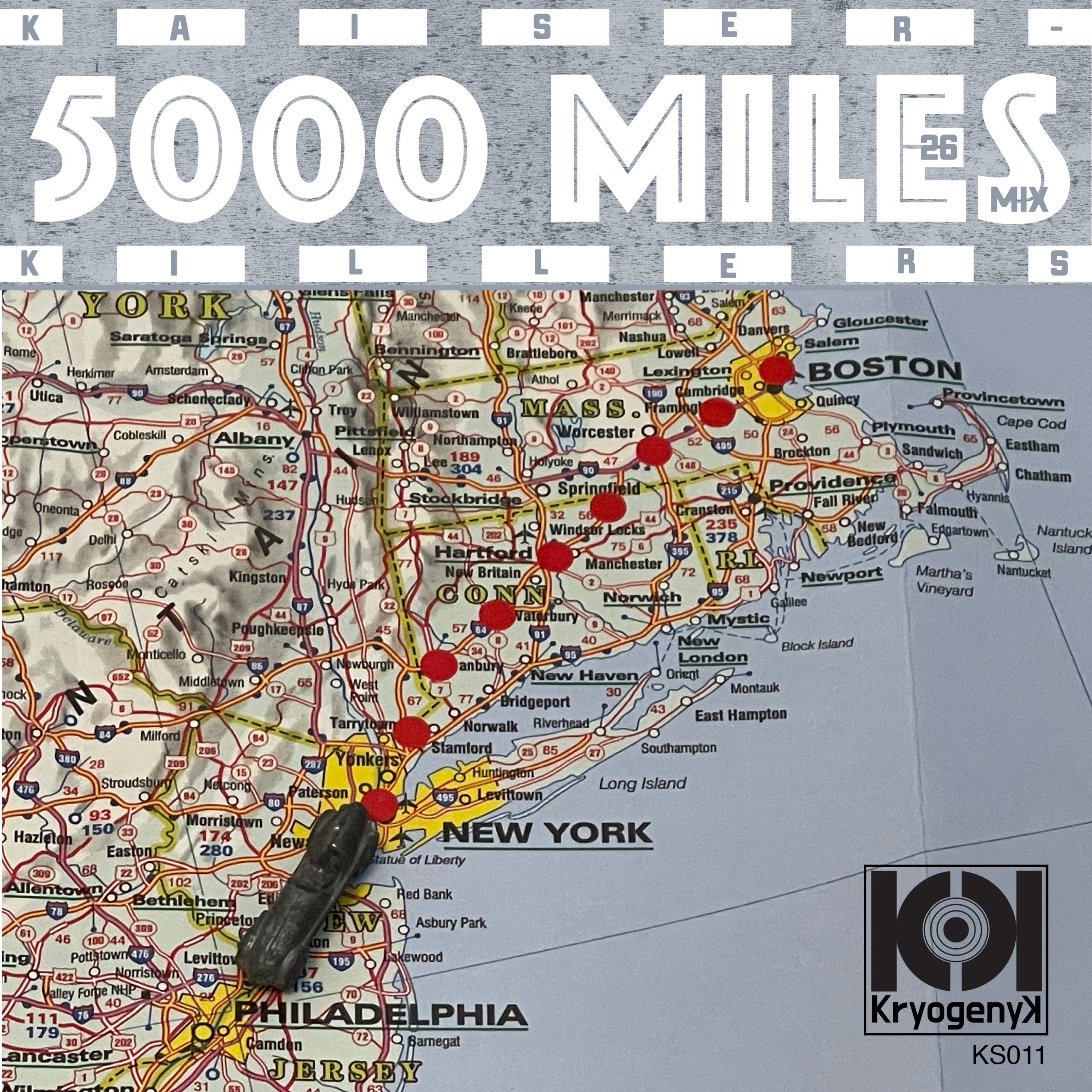
The story itself is old-fashioned in the best sense. Route 66 unspools, the venues get bigger, the applause gets louder, and every mile of tarmac adds to the ache. Triumph and loneliness arrive together, which is the oldest trick in the songbook and still one of the best. Nobody here is trying to reinvent anything. The song simply takes familiar materials and builds something sturdy, warm and smart from them.
Credit belongs, too, to Francis, the mixing engineer at Strawberry Field Studio, whose "mystical incantations" the band can't explain and don't need to. Whatever he mutters over the pot, the result is a record with air in it, room for every strand of guitar, and a polish that never sands off the personality. It is the kind of production that sounds effortless, which is the hardest kind to make.
Perhaps the most endearing thing about KaiserKillers is the cheerful honesty of their closing note, which admits that every release costs more than it will ever earn back. That makes this a record made for the pure, daft, stubborn love of it, and you can hear that in every bar. Nothing here is calculated, and everything is felt.
A few people will get pleasure from it, they hope. Rather more than a few should. Play it loud, play it twice, and then ring someone you miss.
A jangling, heartfelt gem from the Essex underground. Now somebody book those Route 66 venues.