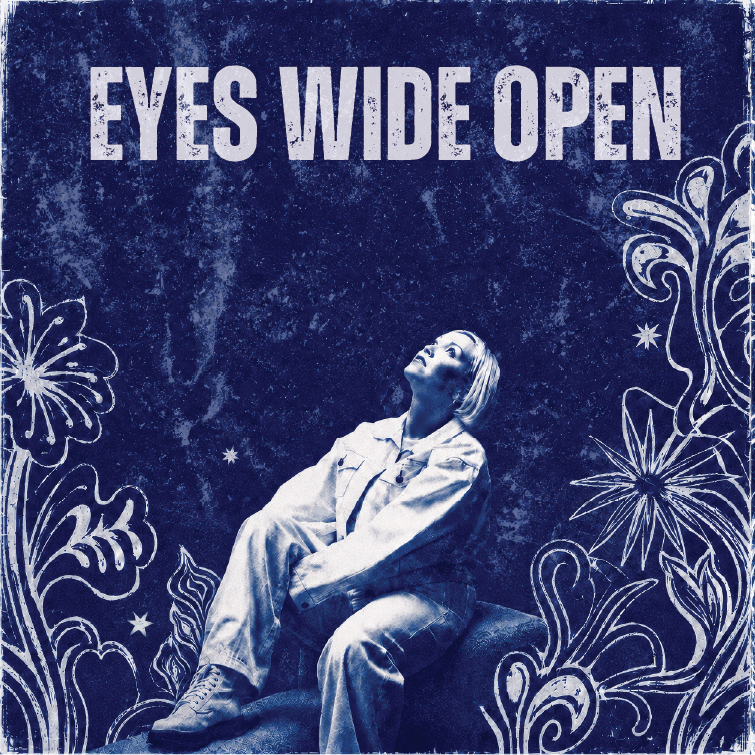
The arc is deliberate, and she has said the songs were written separately before they revealed themselves as a story. That story runs from asking other people for answers to supplying your own. The opener, "Am I The One For You?", states the problem in its title, a plea for reassurance from the wrong source. Warburton sings it with a Northern directness that keeps self-doubt from tipping into self-pity. Her voice is the EP's chief asset: big, clear and unembarrassed about leaning on a note.
The influences are named without fuss. KT Tunstall's *Eye to the Telescope* is the declared touchstone, and its guitar-first confidence and unapologetic hooks are the clearest inheritance. Florence + The Machine supplies the sense of scale, and a few synth-pop flourishes brighten the edges. Yet none of it feels like homage for its own sake. Warburton borrows the tools and builds her own house.
"Hopelessly Addicted" follows, and it is among the finest things here. Airy textures and steady, purposeful drums carry a retro-tinged pop melody that glides rather than pushes. The subject is attachment, the hold a person or habit keeps on you after you know better, and the writing stays with the ache instead of reaching for a slogan. "Better Me" then turns that admission inward. Self-improvement songs often curdle into greeting-card wisdom, but this one keeps its eye on the specific, and it is the most exposed writing on the record.
The fourth song is the one the EP puts forward as its calling card, and rightly so. "Dancing with Devils" stutters in on bubbling electronics before the drums settle into a thumping, hip-swaying groove, and Warburton's rhythmic vocal lines open out into big, bright leads. It sounds like euphoria, hands in the air, and the title carries a wry admission. She has talked about how sometimes you know something is a terrible idea and say yes anyway. That grin keeps the song from preaching, and it makes the defiance that follows more believable.
That defiance arrives in "Shout Louder", which closes the record. After four songs of questioning, craving and wary acceptance, the final track makes the attitude change audible, with the pleading of the opener replaced by something firmer. It is an anthem built for outdoor singalongs, and you can picture a field of raised arms at golden hour. Ending on a shout rather than a sigh is a smart piece of sequencing, because the listener leaves with the resolve the story has earned.
The title promises clarity, and the music delivers it in voice, purpose and sense of self. Warburton took the songs on the road in September, from Leeds down to Brighton. If she brings them near you, go. Anyone who has outgrown a person, a habit or an old version of themselves will recognise a piece of their own story.