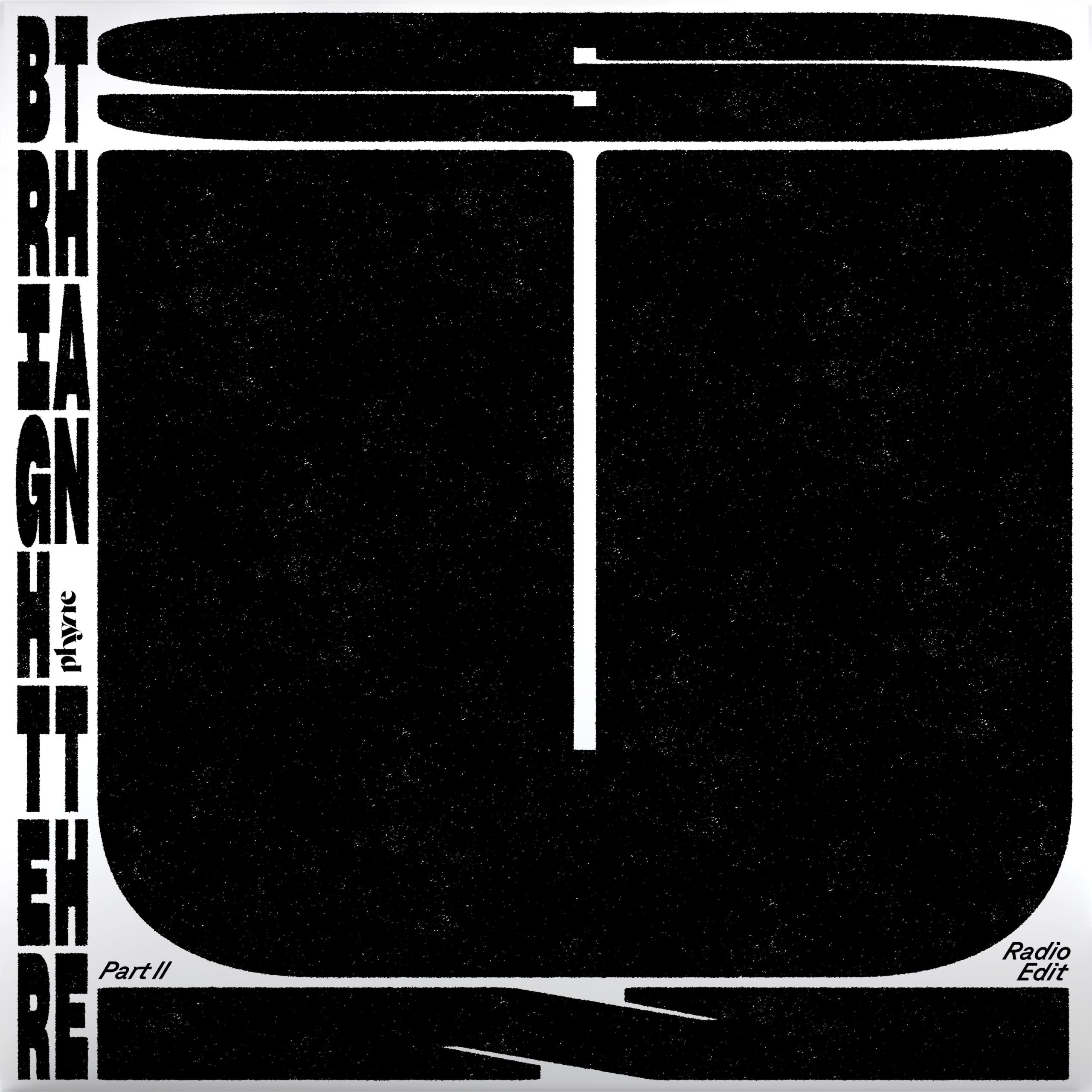
The Swiss duo, Sascha Tittmann and his long-time ally Benjamin Mueller, have built the whole thing on a bassline that pumps with the dogged, unblinking stoicism of a Hacienda regular on hour six. Over it, the funk guitars arrive razor-sharp, slicing and scratching in the manner of a band who have studied their Gang of Four and their Chic in equal measure and see no reason to choose between them. The vocal is the real provocation. Delivered with a postpunk bark, a chin-up swagger and a hint of a sneer, it sounds like a man ordering the world to pull itself together, until you notice how tender he is underneath.
That is the trick, and a lovely one. The surface is all armour, with the grit and the glare of a track braced against climate dread and the endless drizzle of notifications. Listen a little harder and the armour turns out to be a love letter. This is no angry protest song. It is a plea to freeze the clock and stay put in the one moment that doesn't hurt, with another person, with the lights up. The vulnerability is smuggled in under the swagger, which is exactly where the best pop has always kept it.
Then comes the lyric that carries the whole thing. "We don't know what more to ask for" starts out as a shrug, a weary, cynical admission of overload. Pushed along by that relentless groove, it flips into something almost startling in its generosity. When we have each other, now, in this fleeting minute, we are invincible. It is the sort of emotional about-turn that Pulp and New Order pulled off so often, and one that so many of their descendants fumble.
The finale is where the song stops being clever and becomes glorious. The chant of "We gonna be loud, be bold, be strong / shine brighter than the sun" arrives like a football-terrace hymn rewritten by people who actually read the lyrics sheet. It is gloriously daft and entirely sincere, and it is almost impossible to resist. The 70s keyboard warmth that washes through the track, all honeyed and amber, gives the thing a lift that no amount of indie-disco machinery could manufacture alone. You can hear the sunshine in it, and you can hear it being earned.
The production keeps its analog nerve throughout. It's rough enough to feel like humans in a room, and tight enough to keep the floor moving. This matters. Plenty of bands attempt the dance-rock crossover and end up with a record that sounds like a spreadsheet of what people enjoy. Phyne have gone for the live sweat, the slight lean and wobble of real hands on real instruments, and the song is all the stronger for it. It would sound just as right bouncing off the water at Lake Zurich as it would on a sticky Berlin dancefloor by the Spree.
The radio edit is tight, bright and gleefully direct. Nothing outstays its welcome, and every bar feels aimed at the chest.
For a band whose earlier work leaned into the hushed and the hypnotic, this is a bold and thoroughly enjoyable swerve. It offers numbness no quarter and joy plenty. Play it loud, and play it twice.