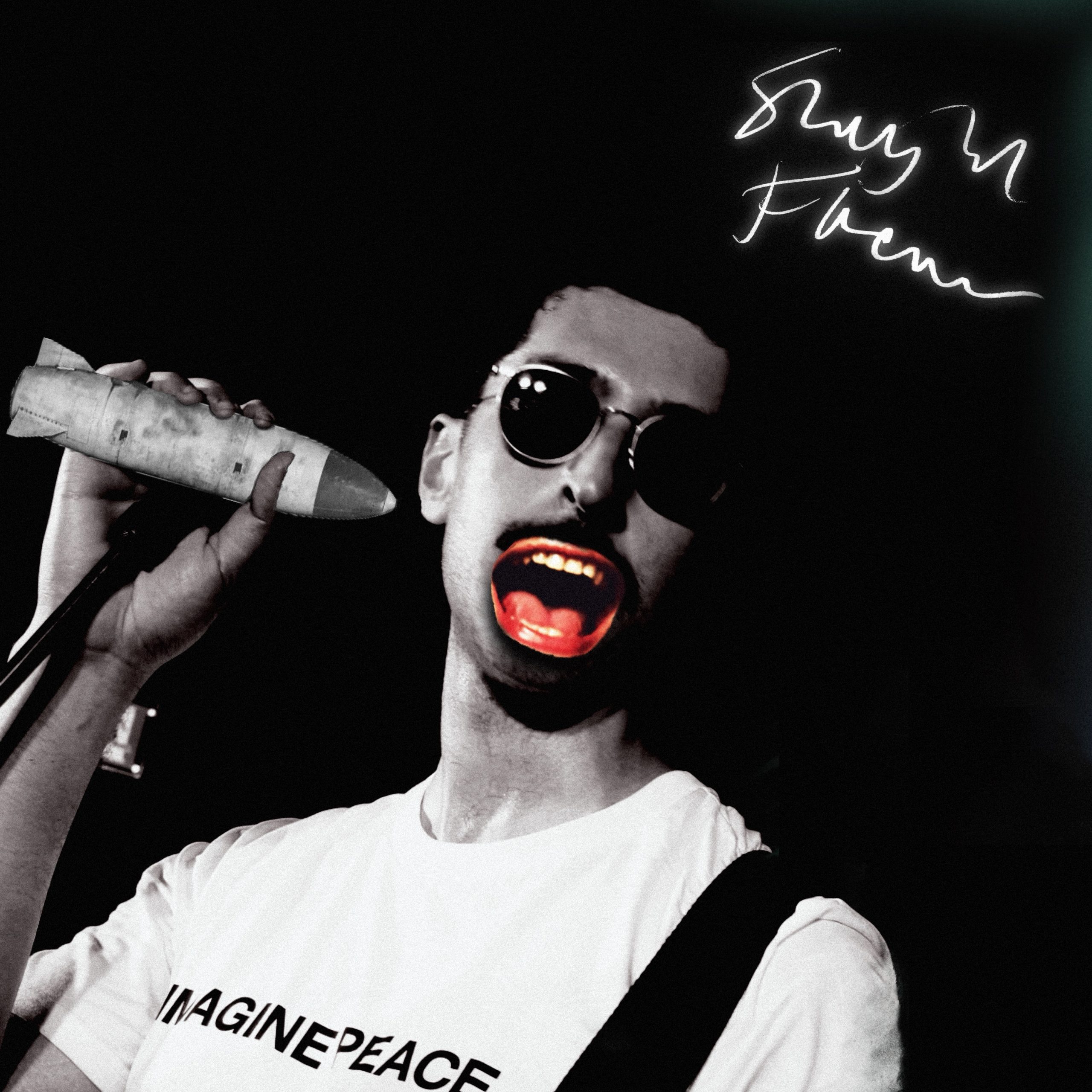
It is a remarkable thing to have built alone. Written, produced, mixed and mastered at home across four years, the record carries the claustrophobic intimacy of a bedroom and the ambition of an arena. Mostafa layers vintage hardware against digital sleight of hand until the seams vanish, and the result sounds like a band of ten possessed musicians playing in a house with the lights off. Disco, heavy rock, hypnagogic pop and funk are not so much blended as forced into the same room and told to sort out their differences. Mostly they dance.
The opener, "I'm your history", is a statement of purpose and a gut punch in equal measure. Over a groove that lopes and lurches like something half-remembered, Mostafa delivers a litany of dispossession, the voice of a man predicting the moment he will be told his own home was never his. The lines about being thrown out of a house and assured it was not meant for him, "as if I don't know my history", land with the quiet fury of someone who has rehearsed this argument many times and lost every one. That it arrives wrapped in a hook you will hum on the bus is the album's central trick, and Mostafa performs it again and again without once seeming smug about it.
"Ghosts!" tightens the screws, its paranoid funk twitching like a nervous system under surveillance, while "Lineage (Where is my baby?)" and its companion piece "Where is my baby?" turn the most unbearable question a war can pose into a pair of strangely tender, strangely danceable laments. Placing them six tracks apart, as echo and aftermath, is a stroke of sequencing worthy of a far more seasoned architect. "Same disease" is the thesis made flesh: the heartbreak that passes from victim to kin like an inherited fever. Elsewhere "Sleeping dogs" and "Run for cover" swerve into off-centre pop songwriting, all warped AM-radio shimmer and rhythmic left turns, the sort of experimentation that would sound pretentious if it were not so relentlessly fun.
The influences are worn lightly but audibly. There is Nicolas Jaar's nocturnal patience in the electronic undertow, Blood Orange's heartsick elegance in the melodies, the Bar-Kays' rubbery swagger in the low end. Yet none of these feels borrowed. Mostafa's restlessness is his own, a jittery, searching energy that never settles into a comfortable pocket because comfort, the album suggests, is precisely what the powerful sell us while the bombs are being scheduled.
What elevates the record above mere cleverness is its emotional honesty. Mostafa has said he feels "a lot of darkness and urgency", and that admission runs through every bar like a live wire. Survivor's guilt, propaganda, displacement: these are heavy materials, and the album never pretends otherwise. But it also understands that despair and dancing have always been neighbours, that people have moved their bodies in the ruins since there were ruins to move in. The guilt of "(the guilt)" and the closing "Run for cover" are not escapes from grief so much as grief given a pulse.
There are abrasive moments, and they are welcome. Guitars snarl, textures curdle, and the production occasionally feels deliberately singed at the edges, as though the title were less metaphor than instruction. The filmic storytelling gives the whole thing a widescreen sweep, each song a scene cut together by someone who has seen too much and refuses to look away.
Few albums this politically furious are also this much fun, and fewer still make the combination feel inevitable. *Fire in the Master's House* is angry, funny, tender and thoroughly danceable, a record that trusts its audience to feel and move at once. Sheykh Forever has made the year's most urgent party. Go, and bring your grief; it will be welcome on the floor.