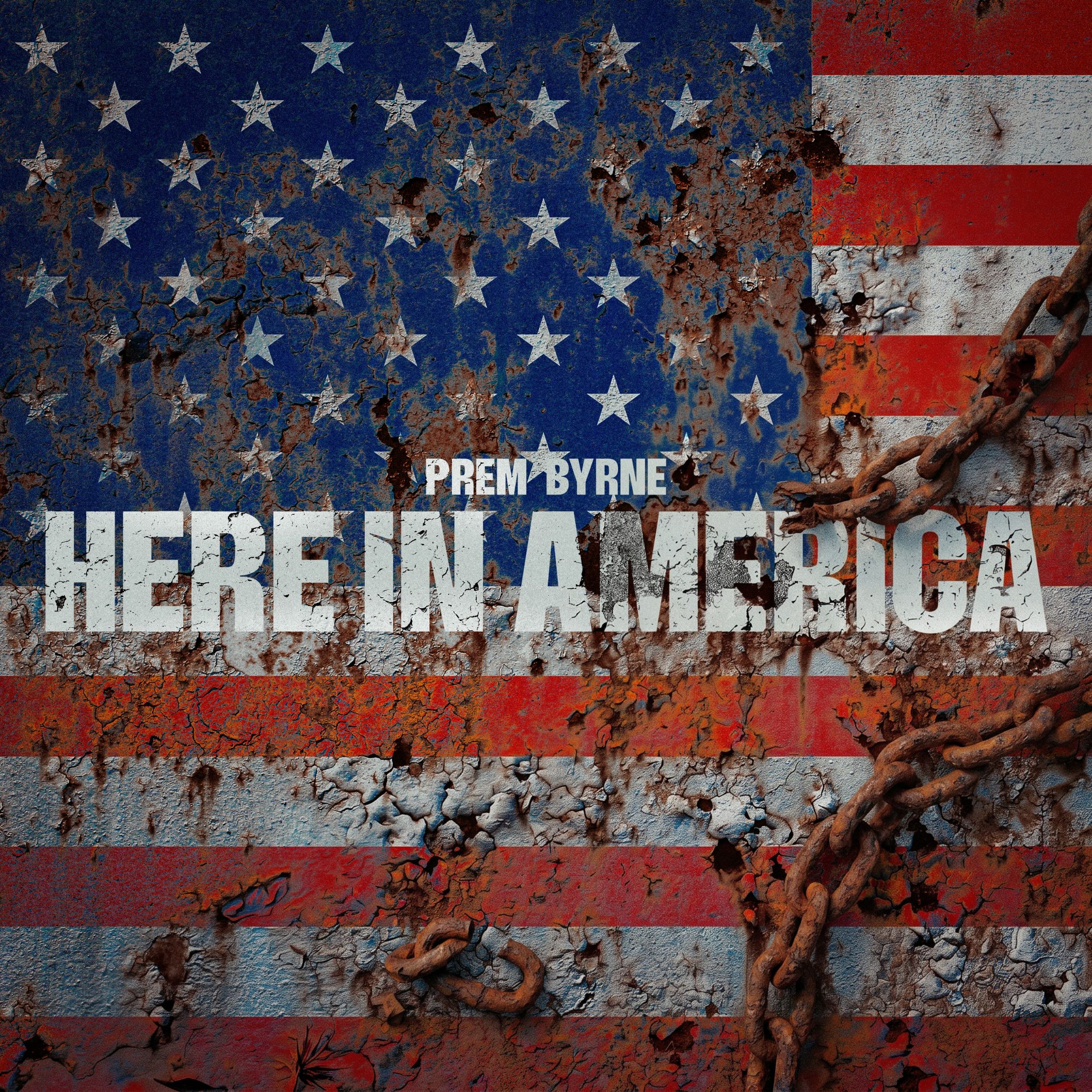
Byrne, a singer-songwriter from Woodacre, California, has spent his career in the broad church of folk-tinged pop, and the single sits squarely in that tradition. His own account of its origins is disarming. It began, he says, when he first studied American history, and it was sharpened by walking through poor neighbourhoods where the past still seemed to hang in the air. Notice the posture of that confession. He is not an American lecturing Americans from a pulpit, but an observer who grew up poor in India, raised with his younger sister by a single mother, and who recognises deprivation when he sees it, whatever the postcode. That outsider's clarity gives the song its moral grain.
Musically, Byrne works with a modest palette and uses it intelligently. Guitar and voice carry the piece, and the arrangement understands that restraint can be louder than force. The song drifts between folk, pop, rock and soul without settling into any one costume, which suits its subject: a wound is rarely tidy, and neither are its songs. Byrne's voice is the main attraction, a supple, slightly weathered instrument with enough soul in it to lift a melody without strangling it in melisma. Anyone who has loved Tracy Chapman's quiet fury, Cat Stevens's tenderness or the aching sincerity of early Peter Gabriel will recognise the family resemblance. Yet he never sounds like a tribute act. The influences are ingredients, not impersonations.
What impresses most is the writing. Byrne has the knack, increasingly rare, of saying something serious without sounding as though he has swallowed a textbook. The melody is the sort that lodges itself in the head on a second listen and refuses to leave, and the lyric keeps its focus on human consequence rather than abstraction. Sting, an obvious touchstone, would recognise the instinct, as would the Coldplay of the more open-hearted moments. A song can be catchy and conscientious at once, and Byrne proves it.
The accompanying video, in keeping with the music, favours sincerity over spectacle. It declines the flashy tricks that so often turn a serious subject into a fashion shoot, and lets the song's mood set the tone, so that image and music pull in the same direction. In a medium frequently drowning in gloss, that humility feels almost radical. It is the visual equivalent of Byrne's singing: direct, unadorned, and all the more affecting for it.
Fifteen singles into his career, Byrne sounds like an artist still finding his full stride yet already possessed of something many of his louder contemporaries lack: a conscience that sings. "Here In America" is a generous, thoughtful and quietly stirring piece of work. Revista Soundloop called him "one of those emerging gems," and on this evidence the praise is deserved. Go and find him.