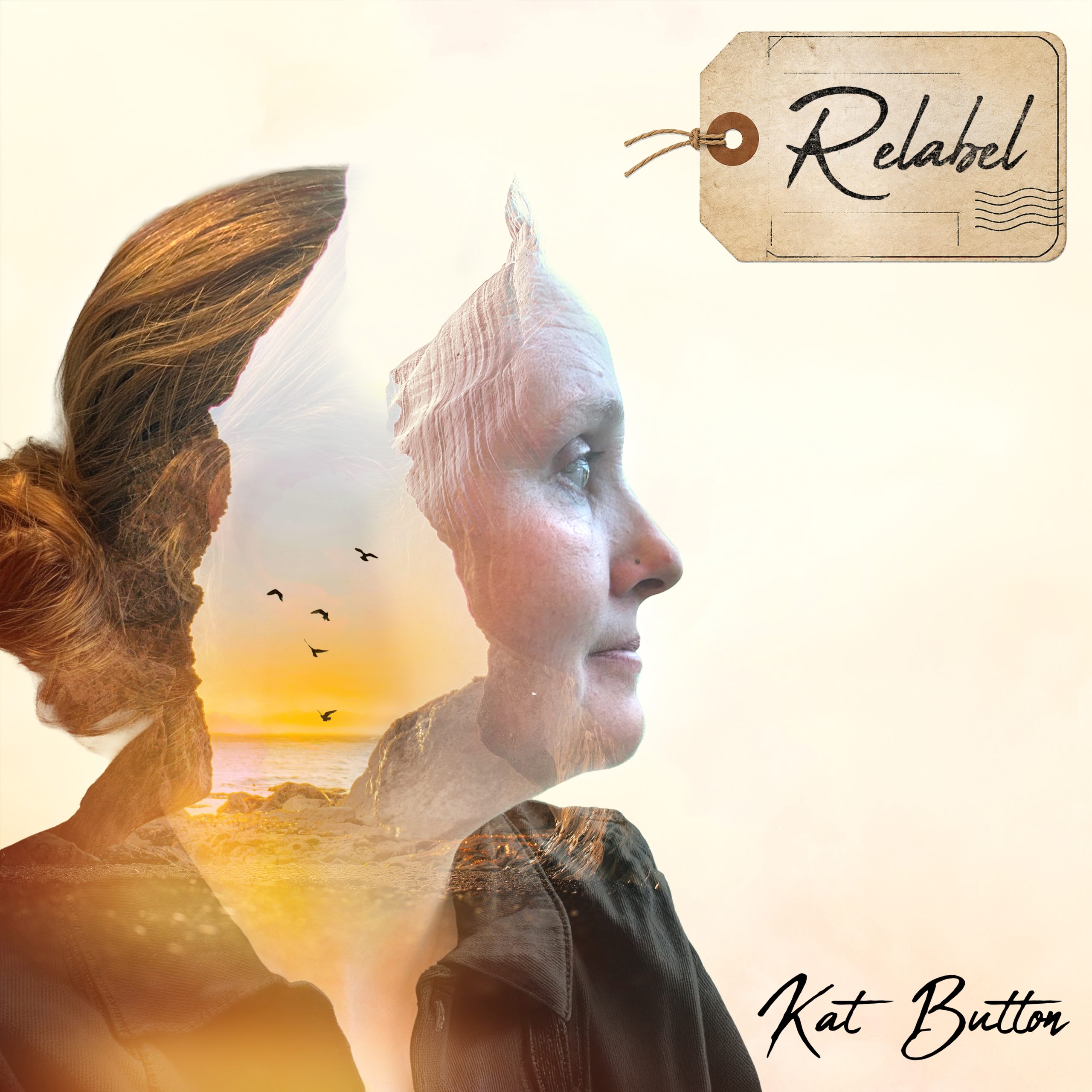
Her debut, *Refocus*, charted a journey of mental recovery. *Relabel* takes its title from another of the four Rs of Cognitive Behavioural Therapy, and Button applies it in three ways. First, she has relabelled her sound, moving into EDM and its many subgenres, with one or two surprises along the way that keep the record from settling into formula. Second, she has relabelled herself. Last year an ADHD diagnosis arrived to join her earlier OCD one, and several symptoms she had long filed under the latter turned out to belong under the former. Third, the idea runs through the songs themselves, most elegantly in the shift from the question "Am I?" to the declaration of "I Am", which lands as track five, close to the album's centre of gravity.
The sequencing tells the story. The album opens in the giddy rush of euphoria, the bright, fast-forward feeling of a mind at full tilt. Then comes the crash. Burnout, mental exhaustion, frustration and loneliness follow in turn, and Button has the nerve to let them stand without hurrying to console. It is a smart match of form and subject. ADHD is a condition of surges and stalls, and electronic music is a medium of build and release, so the genre never feels like a costume borrowed for the occasion. Her love of eighties and nineties electronica shows in the patience of the arrangements, and each song is built as a soundscape that pulls the listener into its meaning rather than merely describing it.
The best idea on the record is "Kintsugi", named for the Japanese craft of repairing broken pottery so that the cracks become part of the design. It is the perfect metaphor for the album's whole argument. Brokenness is neither hidden nor pretended away. It is mended, and the mending becomes the meaning. Button's lyrics carry this philosophy with real tact. She writes about the need for self-compassion, about taking time out to repair what has come apart, and about the exhilarating, terrifying business of being diagnosed and finally unmasking one's true identity. She never lectures and never wallows.
Mental health records often stumble into one of two traps, either grey gloom or greeting-card uplift. Button avoids both. Her stated mission is to show that recovery can have a beautiful destination despite the bumps along the way, and the album's honesty is what makes that believable. The contradictions stay in view: determination beside vulnerability, and clarity that arrives without solving everything. Listeners who share her diagnoses will feel seen, and those who don't will recognise the universal ache of being mislabelled, by others or by oneself.
Her voice suits the task. It is warm and unshowy, and it never oversells the pain or fights the beat. Years of composing, performing and arranging, and a working life as a music educator, show in the clarity of her choices. Nothing is wasted and nothing is performed for the gallery. Producing the record herself gives it the coherence of a single vision, with no committee sanding down the odd edges.
The cover art, a double-exposure portrait of two profiles folded into one landscape and a luggage tag bearing the title, sums up the project. A label is attached by someone else, and here it is rewritten by the person it describes.
*Relabel* is not chasing the main stage. Its aim is accessibility, carrying a conversation about neurodivergence into a genre that has rarely had it, and in that it succeeds gloriously.
It is brave, bright and deeply human, and it makes a persuasive case that dance music can hold complicated feelings without losing its pulse. Kat Button has given herself a new label. It reads: essential.