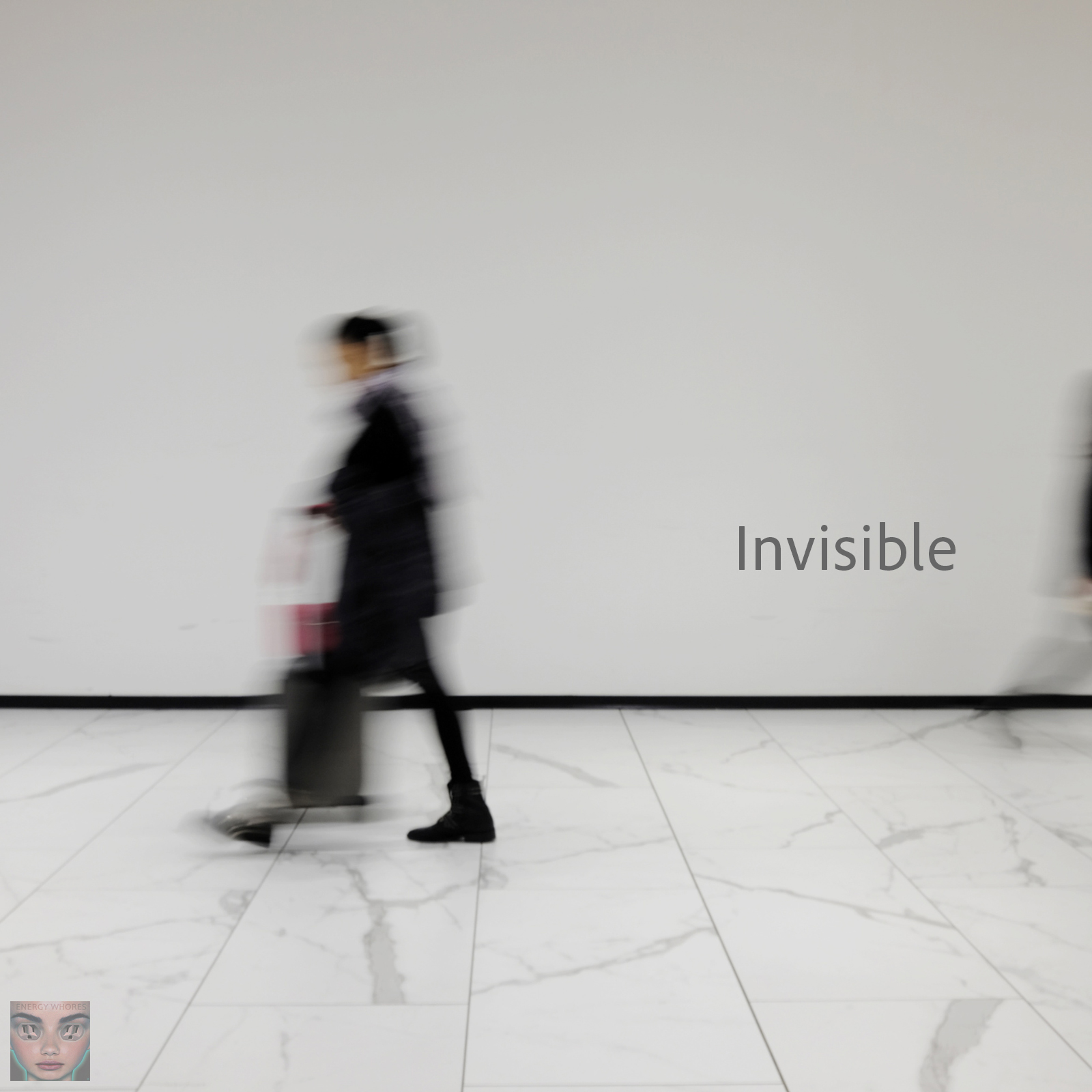
It's a conceit that could easily curdle into gimmickry. Plenty of acts have tried the "one song, several coats of paint" trick and produced little more than a remix EP with delusions of concept-album grandeur. What saves Schoenfeld's version from that fate is the sincerity of the emotional logic underneath it: this isn't four mixes chasing four markets, it's four attempts at answering the same unanswerable question — what does it feel like to stand directly in front of someone and still not register?
The Synth-Pop cut arrives first and does the heavy lifting of hooking you, all crisp low-end pulse and gleaming keyboard lines that recall the polish of Depeche Mode at their most club-ready. It's the version built for radio, the one that could soundtrack a late-night drive through Manhattan without anyone in the car realising quite how bleak the words underneath the sheen actually are. That's the trick Schoenfeld pulls off best: burying real desolation inside something that sounds, on first pass, almost celebratory.
Strip away the gloss for the Lo-Fi version and the song changes species entirely. Vocals sit closer to the mic, the drums lose their sheen and turn to something closer to a heartbeat heard through a wall, and the whole thing takes on the hazy, half-lit quality of a 4am confession nobody meant to make out loud. It's the interpretation that Portishead fans will cling to hardest, and rightly so — it trades spectacle for intimacy and comes out ahead for it.
Then comes the Cinematic reading, which swells where the others contract. Strings and atmosphere stretch the track into something closer to a film score than a pop song, drama layered on drama until the central image — a person standing in plain sight, unseen — takes on an almost operatic scale. It shouldn't work as well as it does, but Schoenfeld's classical training (Mannes, as a child prodigy on piano) shows its hand here, giving the arrangement a structural intelligence that keeps the grandeur from tipping into melodrama.
Finally, the Indie version roughs the whole thing up again, guitars given room to breathe and a looseness that suggests a band playing live in a room rather than assembling parts in a studio. It's the most human of the four, and arguably the most quietly devastating, letting imperfection do the emotional work that polish can't.
Working throughout with producer Grant, Schoenfeld treats reinvention not as marketing strategy but as genuine inquiry, and it shows. Following *Arsenal of Democracy* and the sharp political nerve of *Fade to Gray* and *Planet B*, this project confirms Energy Whores as one of the more genuinely restless outfits currently working the seam between electronic pop and art-rock unease — closer in spirit to St. Vincent's shape-shifting than to anything resembling a straightforward synth act.
*Invisible*, in all four of its guises, earns its title by disappearing into whichever emotional register it chooses and somehow being more visible for it. Rarely has feeling unseen sounded this richly, variously alive.