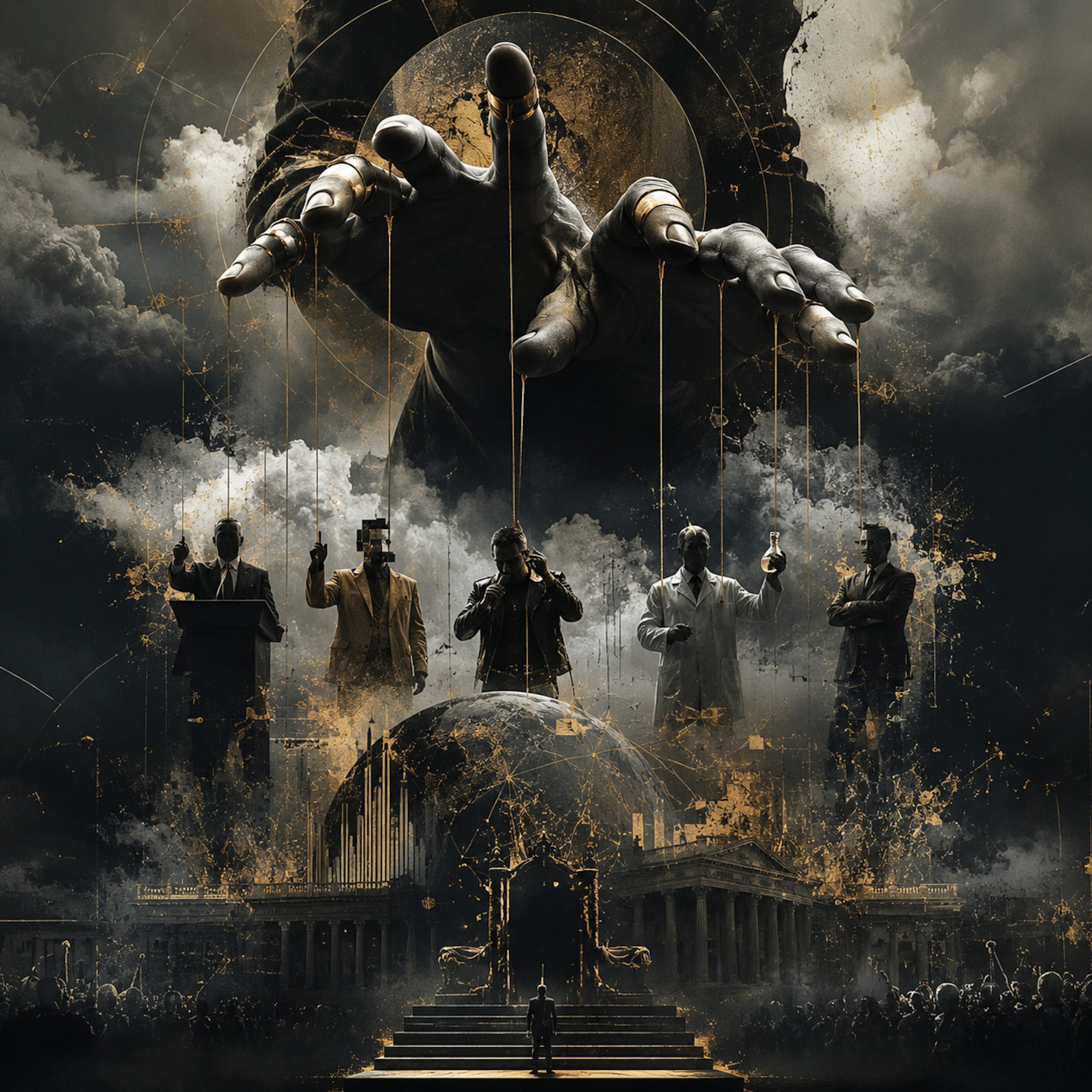
Let's deal with the provenance first, because it matters. DeAngelis didn't stumble into this one; he was handed it, in a manner of speaking, by Richie Cannata — the saxophonist who once stood at Billy Joel's shoulder and now presides over Cove City Studios like some elder statesman of American pop. A conversation about hubris, about the small tyrannies we all commit when we mistake ourselves for the author of our own fate, seems to have lodged itself in DeAngelis's ribs and refused to leave. The result is a track that widens its lens from the personal to the geopolitical without ever losing the thread — no mean feat when the subject is nothing less than mankind's oldest vanity.
Musically, the record is the work of a band that has clearly logged the hours together rather than assembled for the occasion. Billy Kennedy's guitar work carries the fingerprints of a decade-long partnership — there's a familiarity to his phrasing, the sound of a musician who knows exactly where his singer is going to breathe before he does. Eric Bishop's bass sits low and patient, a foundation rather than a flourish, while Cole Herudek — plucked from a beachside bar gig in Dewey Beach with the kind of scouting instinct most A&R departments would kill for — drums with a controlled urgency that pays off spectacularly by the closing bars. Kennedy himself has described the outro as apocalyptic, and for once the participant's own hype holds up under scrutiny: the ending doesn't so much conclude as detonate, gathering the song's themes into a genuinely unsettling crescendo.
Recorded across two storied New Jersey rooms — the Gradwell House, birthplace of The Wonder Years' early scrappiness, and Musically Speaking Studios, DeAngelis's home turf since his teens — the track wears its geography lightly but audibly. It has the warmth of a room the band knows intimately, married to a lyrical ambition that reaches well beyond the studio walls.
What DeAngelis has pulled off here is trickier than it looks: a protest song against ego that manages not to preen. He's not interested in scoring points off anyone in particular; he's interested in the universal itch to control, to rule, to play deity over one's own small kingdom, and he sings about it with the weary compassion of someone who recognises the temptation in himself first. That's the difference between a lecture and a genuinely moving piece of songwriting, and "Playing God" lands unmistakably in the latter camp.