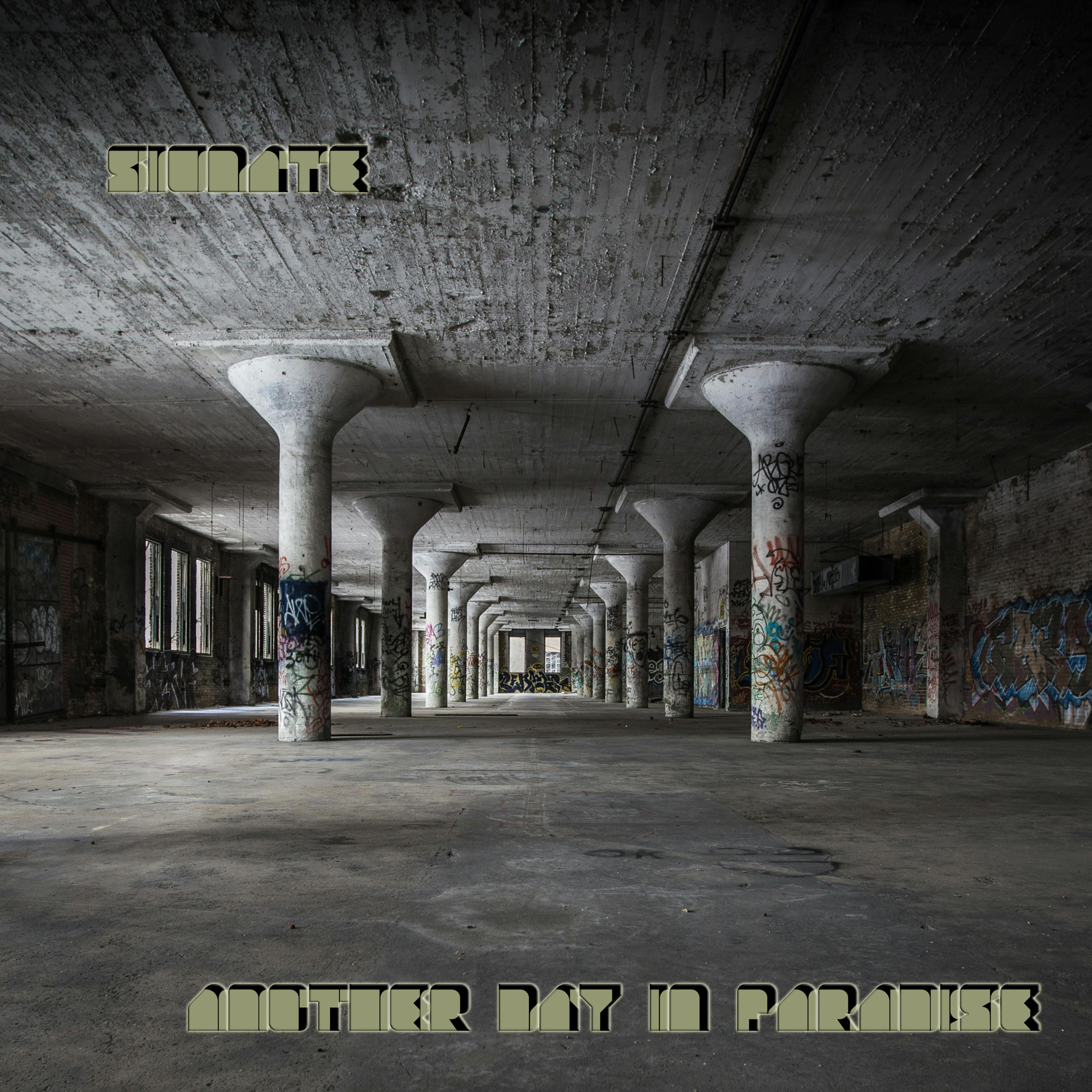
Phil Collins' original is a monument — the kind of song that has calcified into cultural shorthand, dragged out at anniversaries of its own seriousness, its urgency long since flattened by overfamiliarity. Reviving it is a thankless assignment. Get too reverent and you've made karaoke. Get too clever and you've made vandalism. Signate, the duo of Scott and JR, thread that needle with the patience of men who have spent two decades learning exactly how far to push each other.
What they've built is not a reinvention so much as a re-lighting. The bones of Collins' melody remain intact, but the atmosphere around it has been rewired entirely "in the box," with a homemade glow that owes more to bedroom electronica than to the gated-reverb grandeur of the eighties original. It's a transition JR himself likens to Damon Albarn trading Blur's guitars for Gorillaz's samplers, and the comparison holds up better than most artists' self-mythologising usually does. You can hear FruityLoops-era curiosity throughout — synthetic textures layered with the fussy, late-night precision of people who have nowhere else to be and nothing but time to get a snare sound exactly right.
Crucially, none of this comes at the expense of feeling. The song's original ache — that weary plea for compassion buried under its radio-friendly sheen — survives the transplant. If anything, Signate's version lets it breathe a little more honestly, stripped of the polish that made the 1989 hit feel, at times, oddly clinical for a song about people sleeping rough. Scott's vocal carries a lived-in fatigue that suits the material; this is a man who found the track again "in desperation," rummaging through an old back catalogue during rare pockets of stillness carved out of a life now dominated by young children and diminishing studio hours. That backstory isn't just sentimental colour — it's audible. The song sounds like something coaxed gently back to life rather than manufactured to spec.
Restraint is the record's real achievement. A lesser act would have oversold the reinvention, piled on the flourishes to prove a point. Signate resist that urge almost entirely. The arrangement trusts silence, trusts space, trusts the listener to fill gaps rather than have every corner filled for them. It's the work of two people who long ago stopped needing to impress each other and started simply enjoying the process — passion project energy in the purest sense, made by musicians with no touring ambitions, no label pressure, nothing to prove beyond the private satisfaction of finally finishing what they started a decade earlier.
It won't reinvent the wheel, and it doesn't try to. What it offers instead is something rarer: a genuinely affectionate act of musical archaeology, handled with craft, humility, and a decade's worth of second thoughts. Signate haven't just dusted off an old idea — they've given it somewhere quieter and more honest to live. For a cover this unassuming, that counts as no small feat.