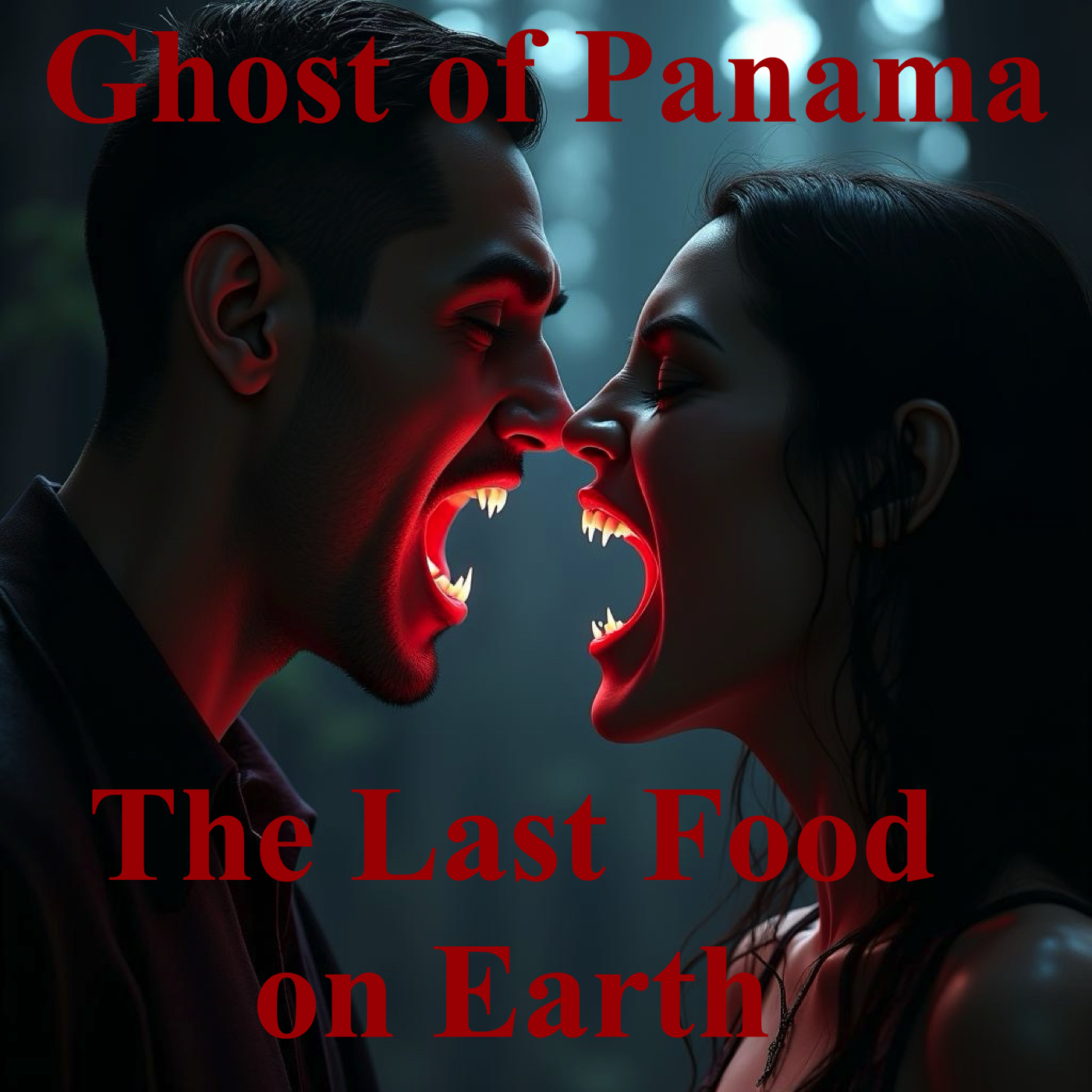
The duo trace the full arc of a romance gone wrong: entrapment, guilt, the slow grind of acceptance, the agony of indecision, and finally something like peace. It's a structure that could easily curdle into pretension in lesser hands, but Welham and Liu never once reach for the grand concept-album gesture. Instead they let the songs do the talking, each one a discrete emotional weather system within a larger climate.
Liu's voice is the album's great instrument — capable of curling itself around a hook on the gloriously tuneful "Ghost of Your Perfume," then turning brittle and exposed on the more skeletal passages. "Damage" is the closest thing here to a pop single, all jagged guitar lines and a chorus that lodges itself somewhere behind the sternum. It's the sound of a band who could, if they wanted, write hits all day — and who have chosen, admirably, not to.
Because the real heart of this record lies elsewhere, in the sprawling, desolate terrain of songs like "Siberia," where the band's post-punk instincts open out into something closer to landscape painting. And then there's "Half-Life," the album's most audacious moment: drums abandoned entirely in favour of recorded breath and the ticking pulse of a Geiger counter. It shouldn't work. It does, unnervingly so — turning a song about decay into something that sounds like decay, ticking down toward an ending you can feel coming.
What's remarkable is how the album resists indulgence even as it commits fully to its concept. The found-sound textures, gathered from around London, never feel like studio trickery for its own sake — they feel like the city itself leaking into the tape. Nine songs of unrelenting bleakness could easily become wearying, but the duo's instinct for melody keeps things tethered, keeps the listener invested rather than browbeaten.
And then, "North Star." After all that grief and hesitation, the closer arrives like daylight through a cracked door — not a cheap resolution, but an earned one, building patiently toward a climax that genuinely lifts. It's a difficult trick, ending nine songs of bleakness on something resembling hope without it ringing false, and Ghost of Panama pull it off with real grace.
This is a band actively trying not to sound like anyone else, drawing on the angular tension of 1980s post-punk while remaining unmistakably of the present moment. *The Last Food on Earth* doesn't always make itself easy. But it rewards patience with something far rarer than a good tune: a genuine emotional journey, told with nerve, restraint, and a closing track that lands like the first proper breath after holding your nerve for forty minutes.