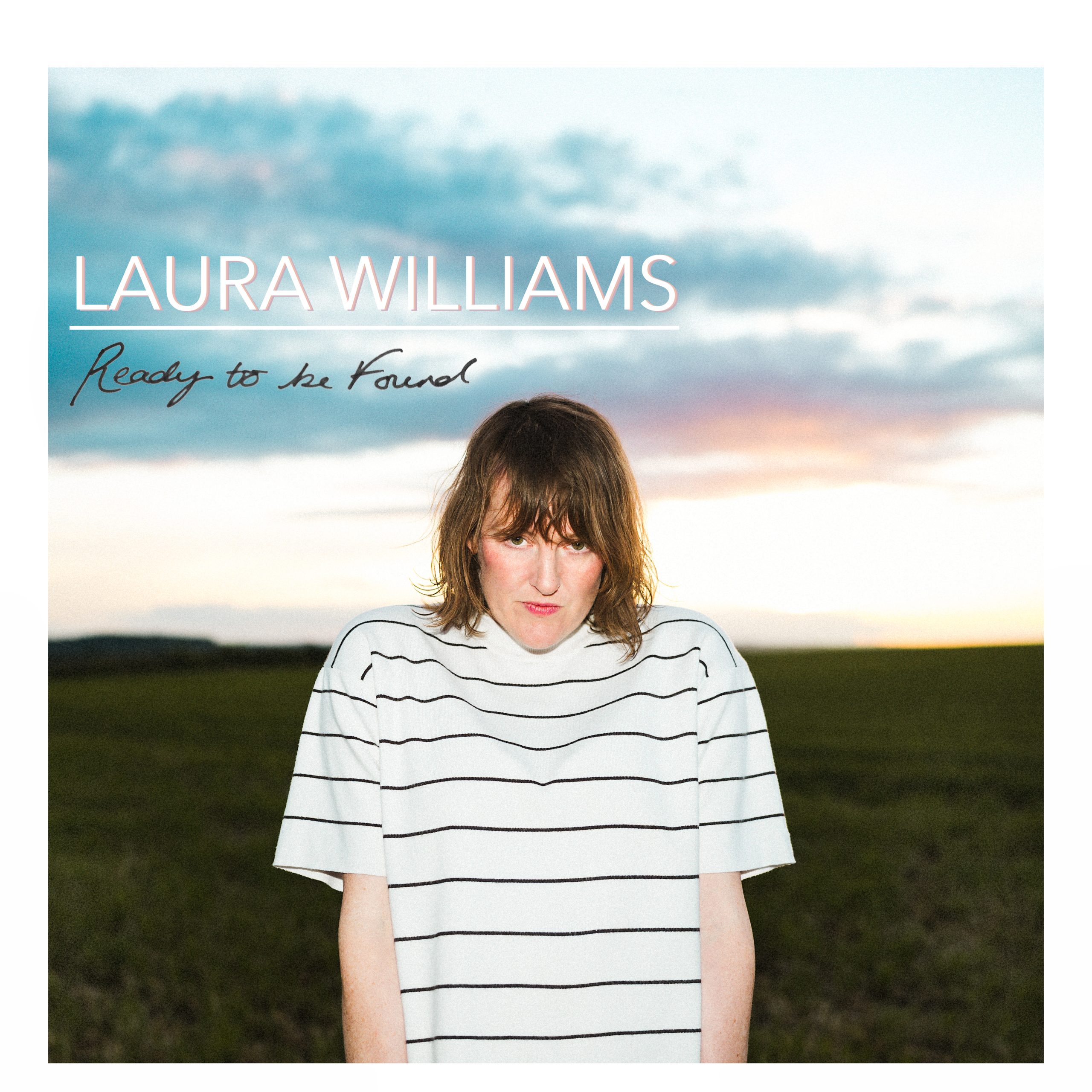
Laura Williams sings like someone who has spent years rehearsing in front of a mirror and never quite believing the reflection. That tension — between a voice built for confession and a personality built for retreat — is the engine of this record. Folk music has always rewarded the unshowy, and Williams understands instinctively that a wobble in the throat can do more damage to a listener's composure than any vocal gymnastics. She doesn't perform vulnerability here so much as leave the door unlocked and let you wander in uninvited.
"Coming Home", the lead single, is the obvious centrepiece, and rightly so. A song about love resurfacing years after its supposed expiry date could easily curdle into greeting-card sentiment, but Williams writes it like someone still slightly stunned by her own luck. The melody doesn't rush toward resolution; it loiters, the way real reunions do, full of half-sentences and second-guessing before anyone says the thing they actually mean. Knowing it was written about her own relationship with producer Dom Navarra adds a layer of nerve to the performance — this is a woman singing about her own life to the man who recorded it, in the kitchen where, presumably, several of these conversations originally happened.
That domestic origin story matters musically as well as biographically. Navarra, a Nottingham DJ better known for house records than acoustic guitar, brings a producer's patience rather than a producer's ego to these songs. The arrangements are sparse without feeling thin — strings held back until they're needed, percussion that knows when silence is the better option. It would have been easy, given his background, to over-polish this into something glossy and characterless. Instead the album sounds lived-in, slightly imperfect, recorded by two people who weren't trying to impress a label so much as get something true down before it slipped away.
"Dusty Heart" is the record's quieter ache, a meditation on loneliness and the insecurities that calcify in childhood and never fully dissolve. Williams resists the urge to resolve it with a tidy lesson learned; the song simply sits with its own sadness, which is more honest and considerably more affecting. Elsewhere, themes of self-discovery and second chances recur without becoming repetitive, partly because Williams treats vulnerability as a working method rather than a marketing angle.
*Ready to Be Found* doesn't reinvent folk songwriting, nor does it try to. It simply does the harder thing: it tells the truth, quietly, and trusts that to be enough. On this evidence, it is.