That's no small feat. Music built to underscore somebody's testimony about a missing husband or a botched alibi can easily look thin once the footage is taken away, the way a stage set can feel hollow once the actors go home. Wirsig sidesteps that trap by writing with real harmonic patience. These pieces breathe rather than merely punctuate — minor-key piano figures circle and deepen rather than simply mark time, low string drones accumulate genuine weight, and percussion ticks forward with a poise that feels deliberate, almost ceremonial, instead of merely functional. It's the work of someone who has learned, cue after cue, exactly how long to let a chord sit before it pays off.
Wirsig is working a genre with its own rich internal logic — call it forensic ambient, the sound of CCTV footage and quiet, devastating admissions — and he handles its grammar with real fluency. Tension here is built through withholding rather than release; chords hang unresolved for bars at a stretch, and the effect is hypnotic rather than merely ominous. Listeners hoping for a tidy narrative arc, a theme stitched from beginning to end, should adjust their expectations rather than the dial: this is mood as a sustained, immersive state, and Wirsig commits to it fully, which is its own kind of discipline.
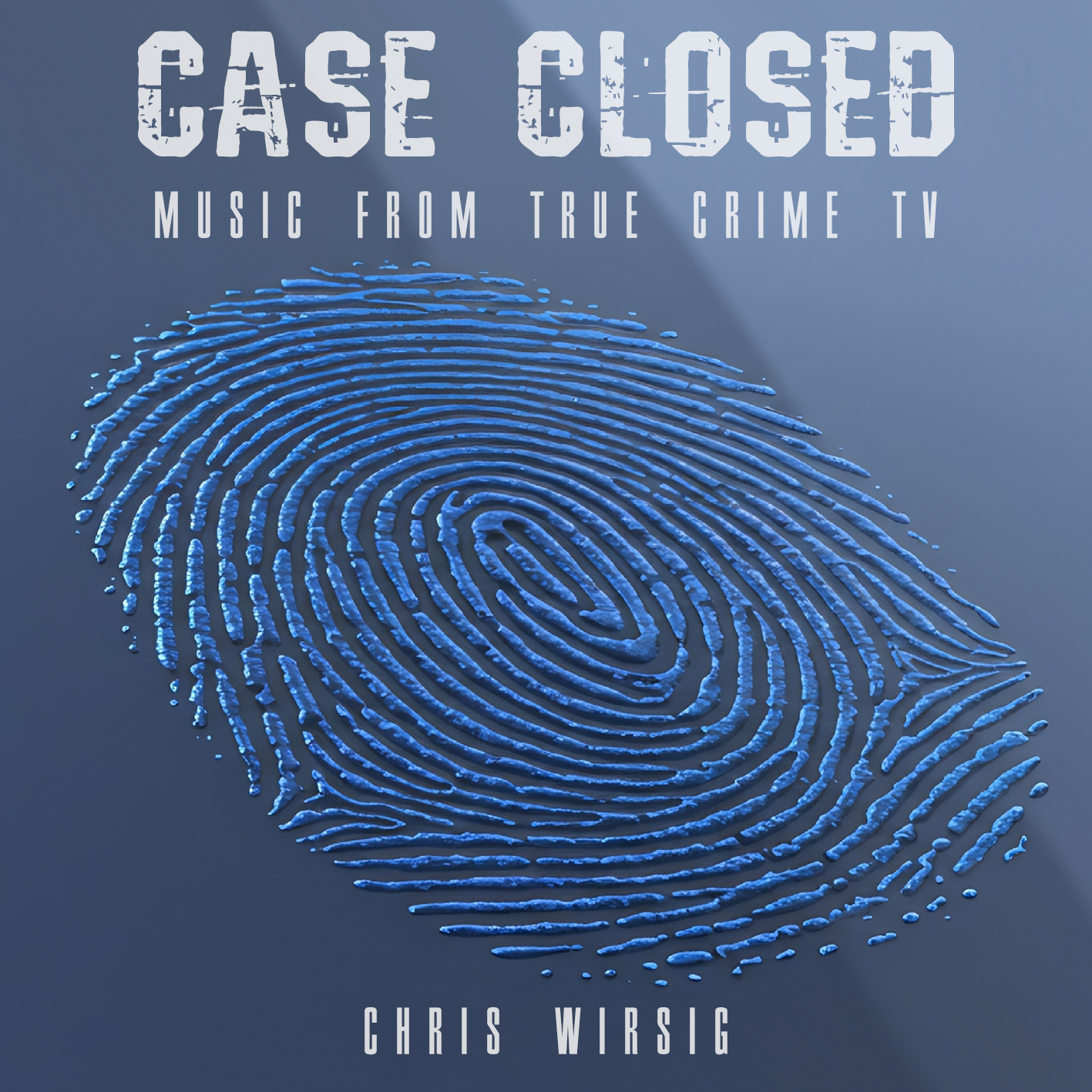
The five tracks share a tonal palette, certainly, but that consistency reads less like a limitation and more like a considered choice — a true EP rather than five unrelated cues bolted together. Each piece reaches for the same shadowed register and finds a slightly different route there: cello taking the lead on one, prepared piano on another, a smear of synth pad standing in for dread elsewhere. Heard in sequence, the EP plays like a single sustained piece in five movements, each one deepening the atmosphere the last one built. That's a more interesting achievement than novelty for its own sake would have been.
Wirsig isn't chasing art-music respectability, and the EP is wiser for it. He's offering a genuinely immersive souvenir of a genre's atmosphere — confidently rendered, often properly unsettling, and capable of holding attention long after the screen it was written for has gone dark. *Case Closed* makes a persuasive case that the best television composers deserve a life beyond the broadcast schedule, and on this evidence, Wirsig has earned exactly that.