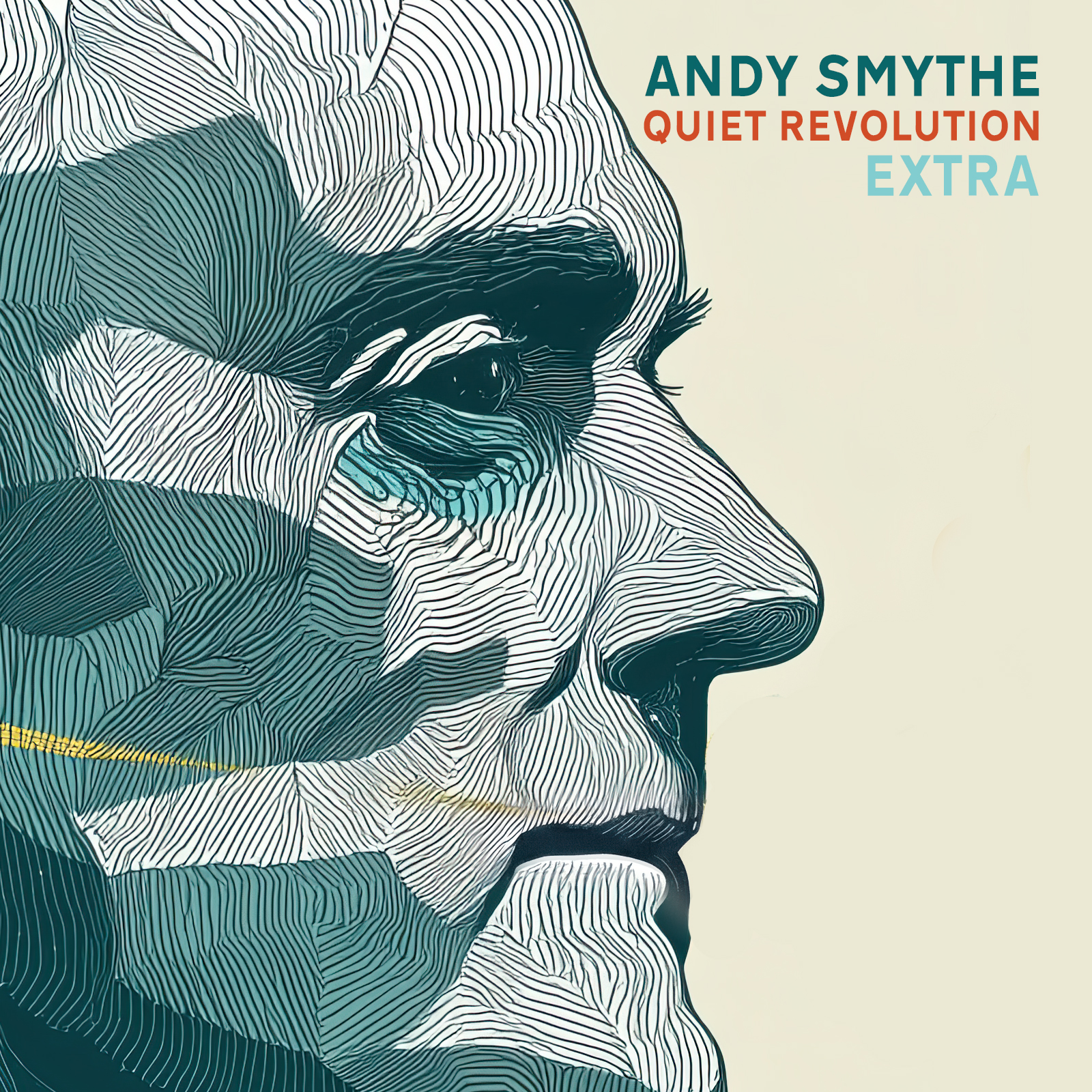
Smythe is, by any reasonable accounting, a one-man orchestra pit: guitars, bass, piano, synths, blues harp, all handled by the same restless pair of hands, with Beatrice Limonti's violin and Kit Dellow-Jones's trumpet brought in like guest speakers at a seminar that was already running long. The arrangements are lush in the old-fashioned sense — baroque pop built from actual baroque instincts, layered rather than stacked, each part given room to breathe before the next one arrives uninvited.
Opener "Higher Truth" sets out the EP's terms early: a sweeping, string-soaked search for meaning conducted somewhere between the Mojave and the inside of Smythe's own head, with rigid Western convention given a polite but firm shove out the door. It's grandiose, certainly, but grandiosity suits him; he sings like a man convinced the cosmos is listening, and for four minutes you half believe him too.
"Butterfly" trades cosmology for class consciousness, a thumping liberation anthem aimed squarely at the drudgery of industrial labour, though it never quite sheds the suspicion that Smythe's idea of factory floor hardship was absorbed mostly from documentaries. Still, conviction counts for a great deal in pop music, and he sells the escape fantasy with real lung power.
"Monet is Smiling" is the loveliest thing here, a hazy meditation on enlightenment refracted through brushstrokes and colour theory, all shimmering chords and unhurried melody. "House Without Love" follows, stripped back to acoustic guitar and plain conviction, arguing — not unreasonably — that nothing much grows from a cold foundation. It's the EP's most direct moment, and its sincerity lands harder for the restraint around it.
"Man of Pisces" is the record's spine: an elegy for Kurt Cobain filtered through Colin Wilson's *The Outsider*, all isolation and brilliant, doomed vision. Smythe resists the temptation to turn tribute into impersonation, which is to his credit; the song mourns a type as much as a man, and that distance gives it dignity rather than distance.
Closer "Algorithm" is where the EP shows its teeth, a theatrical broadside against artificial intelligence and the men in California currently reshaping the species without asking permission. It's the most overtly political swing on offer, and the one place where Smythe's literary ambitions occasionally outrun his tunes — the message arrives a verse or two before the melody does.
None of which much dents the overall achievement. *Quiet Revolution Extra* is unfashionable in the best possible way: unhurried, well-read, faintly ridiculous, entirely sincere. Smythe writes like someone who believes pop songs can still carry an argument, and sings like someone who has never once doubted it. That kind of nerve is rarer than it should be, and considerably more enjoyable.