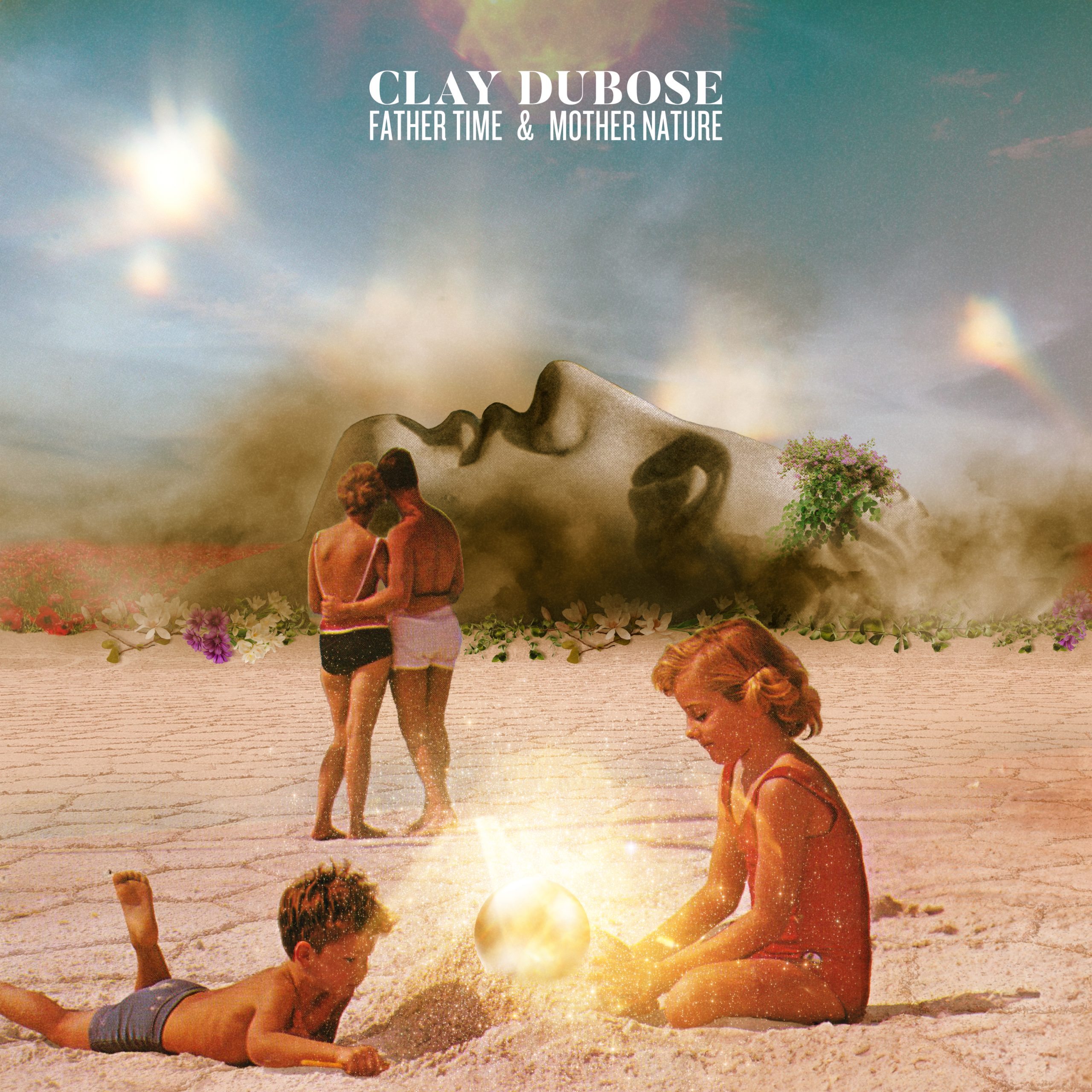
DuBose, a San Antonio-bred voice who once fronted the Sunset Strip's blues-rock scene with sufficient force to secure major-label attention, has never been short of technical gifts. A vocal range exceeding four octaves, a command of American roots forms stretching from Delta blues through Orbison-style pop balladry, and the kind of phrasing instinct that separates singers from performers — these were always evident. What the earlier records occasionally lacked was the emotional undergrowth that only accumulates through genuine loss. That deficit has been emphatically remedied.
"The album functions as a kind of secular liturgy for middle-aged reckoning — not maudlin, never self-pitying, but unflinching in its insistence that time passes whether or not you're paying attention."
Produced with disarming intelligence by Ted Russell Kamp, Father Time & Mother Nature was assembled in Los Angeles from an extraordinary congregation of musicians. The guitarist roster alone — Brian Whelan, Doug Pettibone, the late Neal Casal, Dean Parks, and Will Ray — would represent a career highlight for most artists. That DuBose deploys them not as a showcase but as a texture, each voice threaded into the fabric of the songs rather than placed upon them, speaks to the maturity of vision at work here.
"When Heroes Say Goodbye," a meditation on the deaths of Chris Cornell, Tom Petty, Prince, and Neil Peart, could easily have collapsed into sentimentality. Instead, it holds its nerve: a song about public grief that somehow reads as intensely private, the way that losing artists you've loved since youth forces an uncomfortable reckoning with your own mortality. DuBose navigates this without a single false note.
"Winning Streak" arrives like a weather change — Vegas-gilded, sly, propelled by Brian Whelan's extraordinary interplay between guitar and piano. The Elvis references embedded in its lyric function less as nostalgia than as a cultural shorthand for the double-edged glamour of new love: intoxicating, slightly dangerous, too bright to look at directly.
The album's centrepiece, the title track, builds with the patience of a man who has learned not to hurry things. Neal Casal's guitar work here — soaring, aching, now rendered poignant beyond its original intent by his subsequent death — hovers above Jamie Douglas's ferocious drumming like something the recording booth refused to fully contain. When Janiva Magness joins DuBose for the improvised vocal summit near the track's close, the result carries the specific electricity of two singers who have each suffered enough to sing about it credibly.
"Casal's guitar work floats above the mix like something the recording booth refused to fully contain — a performance already edging toward the elegiac."
The more intimate songs cut deepest. "I Know You're Watching," addressed to a father who died before meeting his granddaughter, achieves the near-impossible feat of being simultaneously heartbroken and consoling. It neither aestheticises grief nor shrinks from it. The closing "Scotch & Soda" — a Kingston Trio standard introduced to DuBose by that same father — arrives as the quietest possible devastation: a simple song made enormous by the silence surrounding it.
"Growing Wild" captures the vertigo of watching a child develop at a pace that exceeds the adult's capacity to absorb it — a sentiment most parents have felt but few have articulated with this much economy and grace. Danny Timms's keyboard work beneath the track gives it an almost hymnal quality without ever announcing its own ambitions.
The technical credits — engineered by Mark Rains, Dusty Wakeman, and Kamp, mixed by Jim Scott and Rains, mastered by Pete Lyman — represent a collective curriculum vitae of considerable distinction, and the production shows it. The record breathes. Nothing is overcrowded; nothing is underserved.
DuBose has also launched Lazy River Records to house the album and future releases — a decision that, given the material at hand, seems less a business arrangement than an act of stewardship. Songs this considered deserve a home built to last.
The great American roots tradition has always held that the best music comes not from ambition but from necessity — the songs you write because silence is no longer bearable. Father Time & Mother Nature belongs firmly in that lineage. DuBose did not return to recording to remind anyone that he could. He returned because, having buried his father, welcomed his daughter, and survived a pandemic that stripped life down to its essentials, he finally had something urgent enough to say. The music, accordingly, sounds less like a comeback than like a reckoning — and reckoning, in the end, is the only subject that matters.