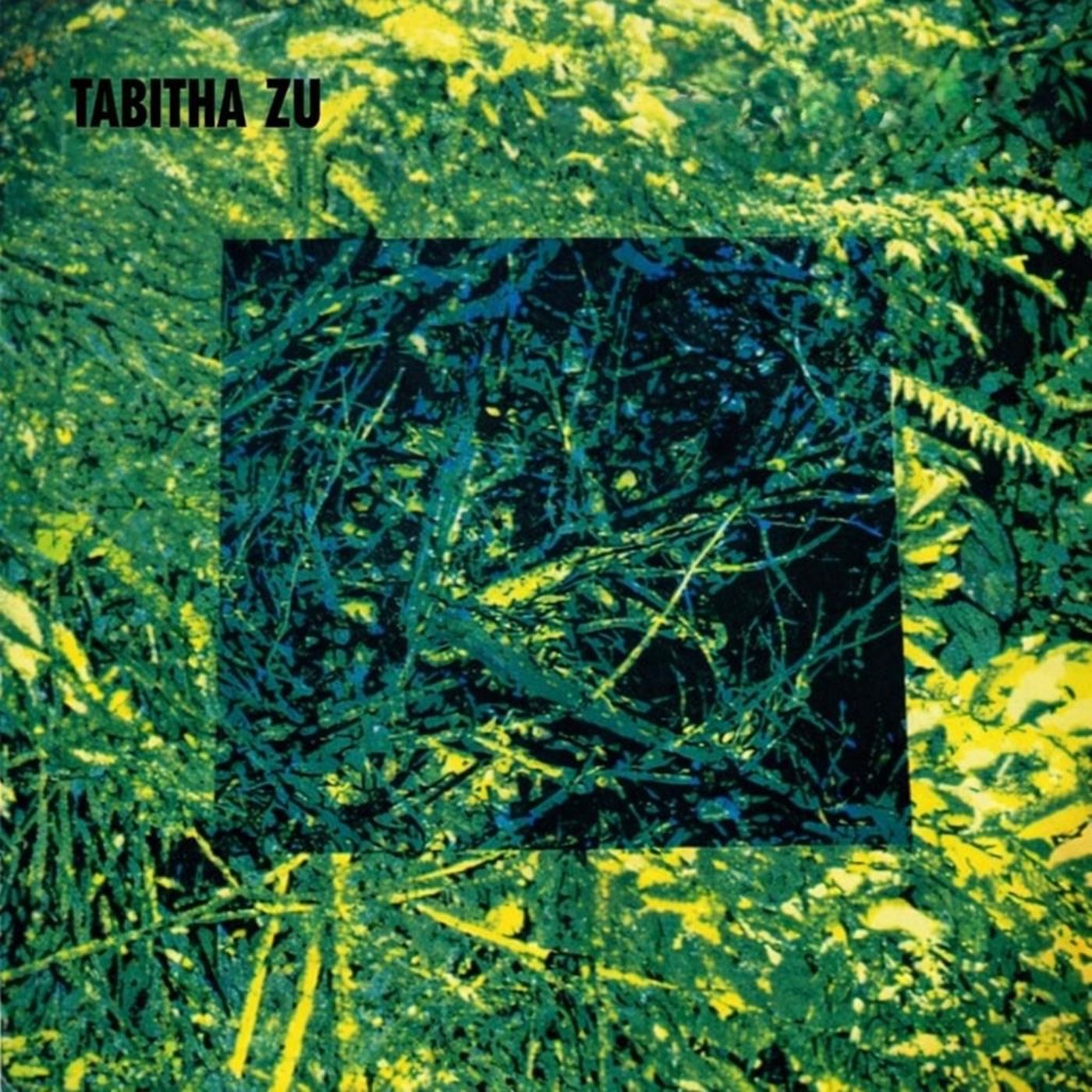
Tabitha Zu's "Heard It Before," originally pressed in quantities small enough to qualify as a rumour on a split 7-inch in 1991, has returned from the archive with enough force to make thirty-five years feel like a long weekend. This is not nostalgia. Nostalgia is soft, consensual, agreeable. "Heard It Before" is none of those things.
It is confrontational, borderline alarming, and entirely necessary in the way that only music made without a safety net can be. Mixed by Derek Birkett — the man behind Flux of Pink Indians, a producer whose understanding of controlled sonic chaos borders on the liturgical — the track lives and breathes in that precise corridor between the gorgeous and the abrasive. The guitars carry the smell of a rehearsal room at midnight. The rhythm section, John Hamilton and Phil Stevenson, do not so much keep time as dismantle it.
"When she arrives at the refrain, it lands not as performance but as testimony. As evidence. As the last statement made before someone leaves a room and does not come back."
And at the centre: Melanie Garside, whose voice is not the kind you describe using the usual critical vocabulary. There is nothing trained or managed about it. When she arrives at the song's refrain — "Don't lie to me / Don't lie to me / Don't lie to me / I've heard it before" — it lands not as performance but as testimony. As evidence. As the last statement made before someone leaves a room and does not come back. The specificity of the betrayal feels lived-in, irreducible, real.
The lyrics deserve closer attention than the music press typically affords records from the independent underground. "Give me flora, give me flowers, give me open hand / Ashes, petals, birds and stone" — this is not the language of a band decorating a punk record with pretty words. It is the language of someone reaching for the natural world as a counterpoint to human faithlessness, cataloguing the things that do not lie to you. Against that inventory of the organic and the earthy, the fury of the refrain becomes not rage but grief — a more interesting and more dangerous emotion altogether.
That the record ever nearly disappeared is a minor scandal. The track reached No. 15 on the UK Indie Chart, was championed by NME, Sounds and Melody Maker, and the band itself played over 150 shows in a single year — sharing stages with Nirvana, Public Enemy and Nick Cave at Reading, and touring alongside Leatherface and The Darling Buds. The evidence of Tabitha Zu's reach was everywhere; somehow the recordings did not follow them into posterity. Until now.
The accompanying video — assembled entirely from never-before-seen live footage and archival tour photography — is exactly the right approach. The temptation to over-produce, to create something cinematically polished that would honour the song's historical significance, has been wisely resisted. Instead, we get the band as they were: young, fiercely present, incandescent in the way that bands are incandescent when they have nothing to protect and everything to play for. Garside in particular commands the frame without appearing to notice it. The footage has the grain and urgency of something not meant to be watched by anyone outside the room — which makes it absolutely essential viewing.
"Tabitha Zu's moment of irrelevance was always the music world's failure, never theirs."
Eira Records deserve credit for treating this not as an exercise in heritage tourism but as the release of a record that simply deserves to exist in the digital domain. "Heard It Before" does not ask you to respect its age. It does not trade on sentiment. It plants its feet and delivers. And in a music landscape that too often rewards finish over feeling, there is something almost revolutionary about a track that would rather hit you in the chest than catch you in the algorithm.
Following the 2026 re-release of "On Reality" — received with the kind of warm recognition critics offer when they realise they should have been paying attention all along — "Heard It Before" completes the argument that Tabitha Zu's moment of irrelevance was always the music world's failure, never theirs. The band played at the frontier of a scene that changed everything; they just did it quietly enough that the history books missed the entry.
They don't sound quiet now.