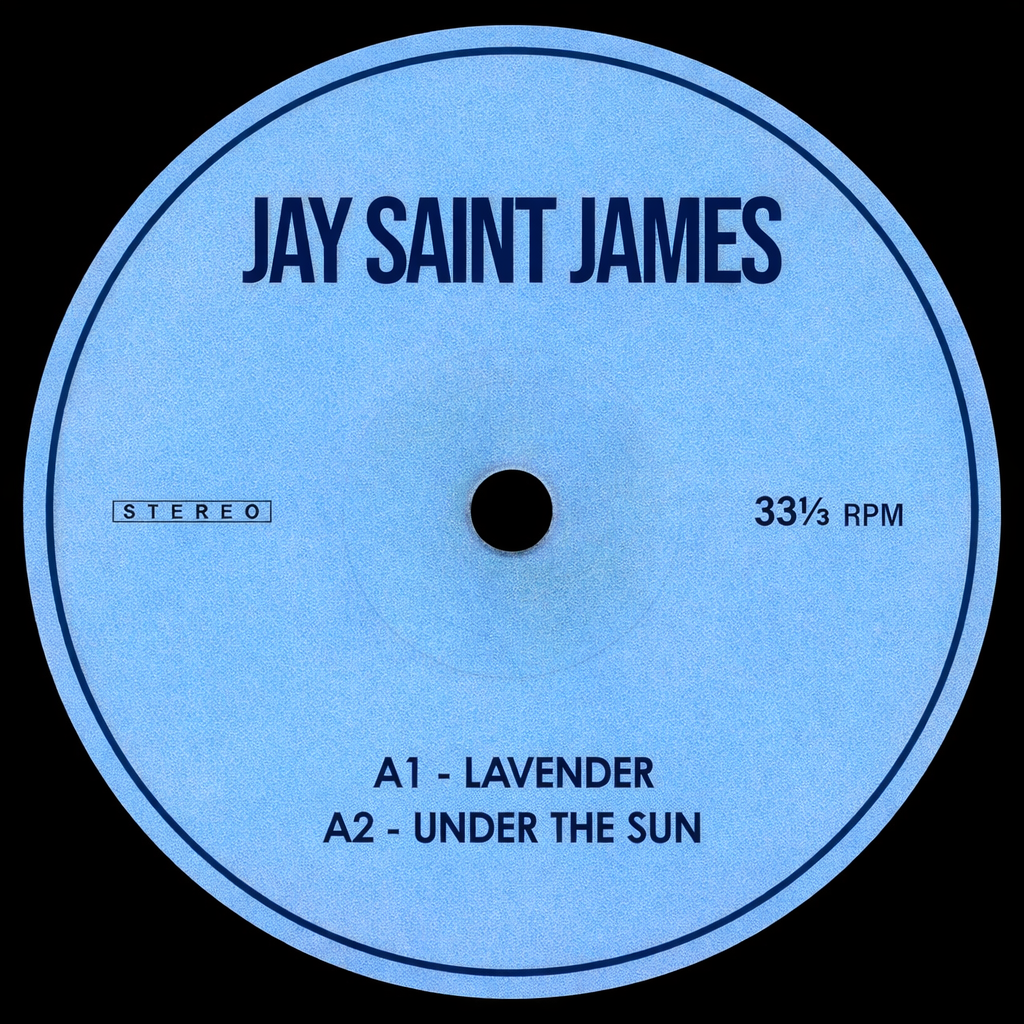
The Ayr-based singer-songwriter has drawn on the life of Scotty Bowers, the gas station attendant turned fixer who, for decades, quietly arranged the private lives of the golden era's most luminous closeted stars. It is extraordinary source material, and Saint James treats it with precisely the kind of respectful ferocity it deserves. The song doesn't gawk. It grieves. It understands that the glamour and the torment were not opposites but the same thing wearing different shoes.
"Men and women with the looks and talent to captivate a generation, living in a society that couldn't accept their genuine identities."
Saint James has spoken of wanting to channel Tina Turner through The 1975, and while that sounds like a publicist's elevator pitch, it is — somewhat miraculously — accurate. There is a rawness to the vocal delivery that carries genuine emotional weight, a quality closer to conviction than performance. Producer and guitarist Martha McBain provides the architectural bones, and the pair have built something that feels both polished and alive: the kind of recording where you sense decisions were made on instinct rather than by committee. Mixer and mastering engineer David Johansson gives the whole affair a finish that suits its ambitions — present and warm without lacquering over the feeling.
The recording process itself — punched-in vocals borrowed from hip-hop methodology, backing harmonies improvised entirely in the moment with no prior planning — gives the track a spontaneity that sits curiously well against its carefully considered subject matter. The craft and the instinct pull at each other productively. Restraint and eruption. The song knows when to hold the tension and when to release it.
The title itself is doing quiet work. Lavender was, of course, the word used for homosexual in the coded language of mid-century Hollywood — a colour that looked one thing in public and meant another entirely in private. Saint James doesn't explain this. He trusts the listener. That trust is, in itself, a form of respect, and it is this quality that lifts Lavender from mere period-piece curiosity into something that functions as genuine empathy.
Billy Joel is another touchstone Saint James has claimed, and you hear it not in any stylistic imitation but in the approach to narrative — the sense that a song should place you somewhere specific, with specific people, in specific emotional weather. The best piano-era Joel made you feel the geography of a life. Lavender achieves something similar: a sense of period, of place, of lives constrained to beautiful surfaces while vast feeling churned underneath.
Saint James has said he is building a body of work rather than a pop persona, and on the evidence of this single, the distinction matters. His self-described "wee movies" suggest an artist for whom the song is a complete imaginative act — self-contained, not a fragment of brand-building. That is, frankly, a relief. Pop music is drowning in self-mythology and artist-as-product positioning. Lavender looks outward, not inward. It is interested in other people. That rarest of qualities.
Whether the song can translate its emotional intelligence into the kind of traction its craft deserves is the only real question left. But if there remains any appetite for music that takes the listener somewhere genuinely unexpected — that treats history as material for empathy rather than nostalgia — then Jay Saint James has made his case compellingly. Lavender blooms quietly and refuses to leave you alone. Which is, after all, exactly what the best songs do.
Jay Saint James · Lavender · Out now