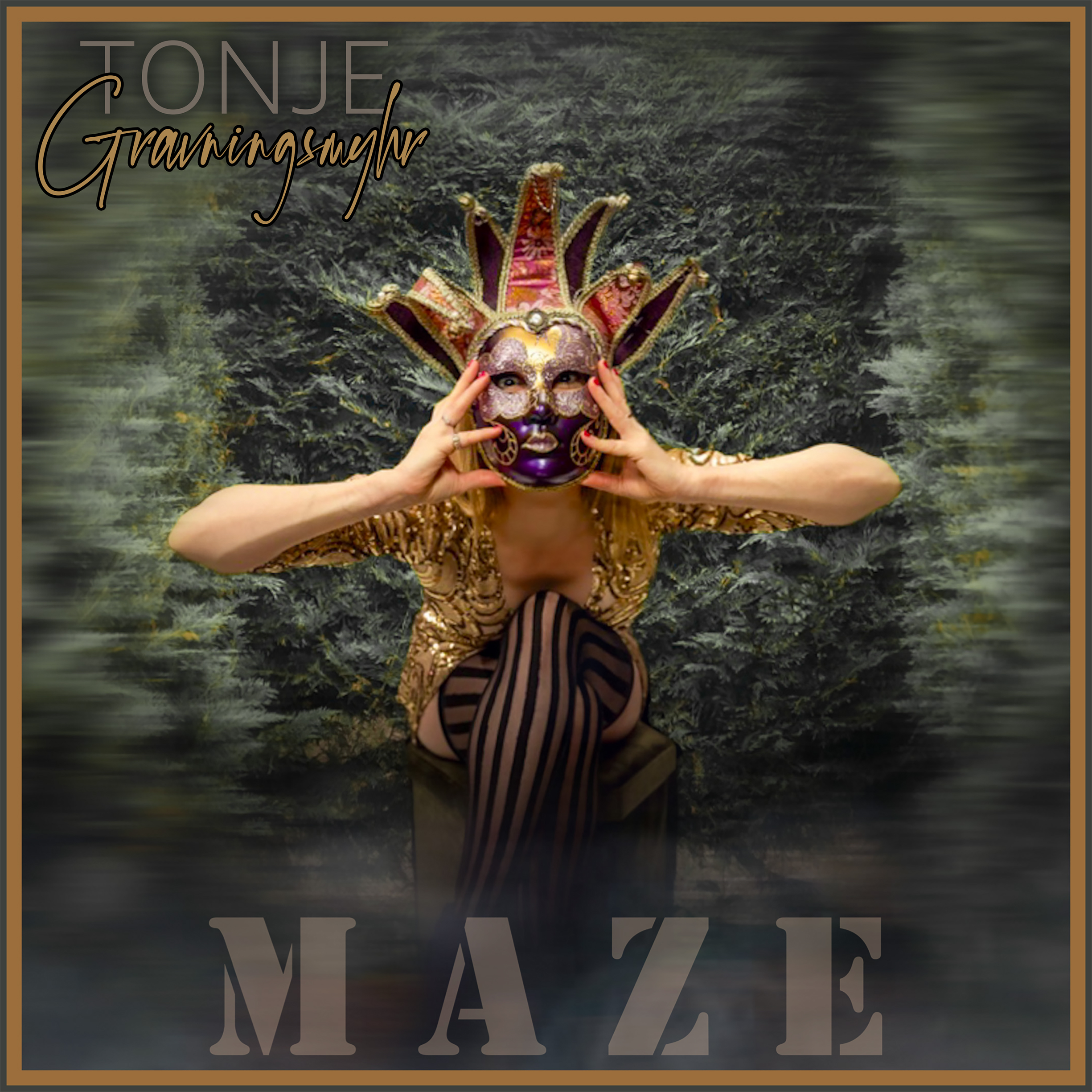
The song opens with a studied restraint that lesser artists would mistake for timidity. A bed of synth — Terje Norum's contribution — hovers at the edges of the mix like weather on a horizon, neither threatening nor comforting. It simply *is*. Then Gravningsmyhr's voice arrives, and immediately you understand this is not a performer interested in the cheap seduction of the first impression. She is a builder. She is laying foundations.
The production, handled across the album by Håvar L. Bendiksen, Eivind Skovdahl, and Gravningsmyhr herself, deserves particular attention here. The decision to produce in collective — to refuse the auteur myth — produces something organically democratic in the mix. Nothing dominates tyrannically. The guitars breathe alongside the horns; the bass sits beneath everything with the quiet authority of someone who has no need to announce themselves. Pop music at its worst is a series of sonic power grabs. *Maze* is a negotiation, and a successful one.
Gravningsmyhr's background as a classical trumpeter is not merely biographical colour — it is architecturally significant. She understands harmony as a structural material rather than decoration. Her pop arrangements carry the logic of someone trained to read the whole score, not just her own part. The horns, when they appear, do not embellish. They *resolve*. They arrive at moments of emotional pivot with the precision of a well-placed word in an otherwise difficult sentence.
Lyrically, *Maze* navigates the peculiar modern anxiety of adulthood without a map. The imposter syndrome she references throughout the album's press material is not merely a topical gesture toward the language of contemporary therapy culture. Gravningsmyhr mines it for genuine dramatic tension — the gap between the self one performs and the self one suspects is lurking, unqualified and afraid, behind the performance. *"I'm an imposter, you really don't know / You cling to a picture of someone you don't know"* — lines that could, in less careful hands, collapse into self-pity, instead acquire a strange defiant dignity. She names the fear without being consumed by it.
The single's emotional architecture is its cleverest trick. It begins in uncertainty — that hovering synth, that careful voice — and ends somewhere not quite resolved, not quite at peace, but *moving*. The labyrinth of the title is not defeated. It is inhabited. Gravningsmyhr does not pretend to have found the exit. She has simply decided to keep walking, and she invites the listener to walk with her.
British pop has long fetishised the three-minute emotional explosion — the song that detonates and leaves rubble. *Maze* belongs to a different tradition: the song that accumulates, that takes up residence, that you find yourself humming not because it has hooked you but because it has, somewhere between the first and fifth listen, begun to mean something personal to you that it did not mean before.
Tonje Gravningsmyhr is making the kind of music that trusts its audience. She assumes intelligence. She assumes patience. She assumes that the person listening has their own labyrinth, and she does not insult them by pretending that hers is the same. This is rarer than it ought to be, and it is — emphatically, quietly — worth your time.