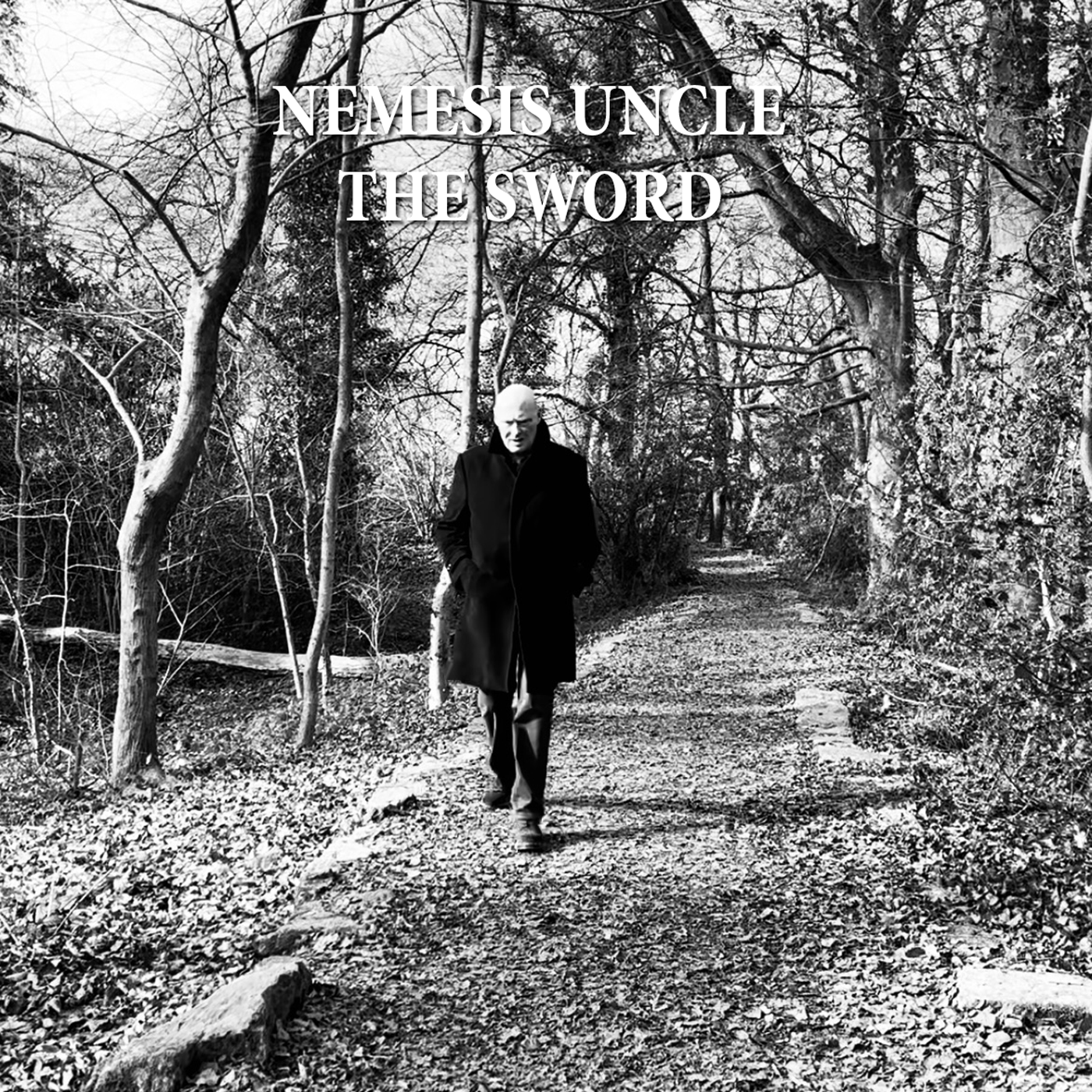
That bunker logic matters. "The Sword," the standout single from Nemesis Uncle's album *Songs of Judas*, does not sound like music made in conversation with trend or algorithm. It sounds like music made in conversation with silence — the particular, pressurised silence of dense forest, of moorland under low cloud, of a man alone with the nagging, unanswerable questions that civilisation normally drowns out with noise. Purvis has stripped away the noise. What remains is genuinely unsettling.
The track's premise — a disillusioned Pilgrim searching for meaning and purpose — could, in lesser hands, collapse into the kind of portentous folk-rock that populated every open mic night in 2009 and has been slowly dying ever since. Purvis sidesteps that fate entirely. His influences are doing heavy and unusual lifting here: the long shadows of Ennio Morricone fall across the arrangement like late afternoon light through pine canopy; Delta Blues writhes underneath the acoustic textures like something buried that refuses to stay down; the whole thing carries the existential weight of Camus or Sartre rendered not in philosophy but in drone and decay.
The acoustic guitar work is extraordinary in its restraint. Purvis understands — and this separates the genuine craftsmen from the merely competent — that negative space is not the absence of music but its most powerful instrument. Notes arrive and then the silence around them does the work. The result is a sonic environment that feels physically inhabited, dimensional, somewhere you could lose your bearings.
His voice sits within the mix rather than above it, which is the correct instinct. Purvis is not performing a song so much as inhabiting one — the Pilgrim is not a character he is playing but a state of being he is reporting from. The enigmatic quality of the narrative, its deliberate refusal to resolve cleanly, is not a flaw but the entire point. The Pilgrim does not find what he is looking for. Neither, quite, does the listener — and that productive unease is precisely where the song lives.
The visual accompaniment, stark and elemental in its forest-dweller aesthetic, reinforces the music's geography without explaining it. Wise decision. Explanation would kill it. The imagery understands that "The Sword" belongs to the category of music that should be experienced slightly off-balance, slightly uncertain of the ground beneath you.
What Purvis has understood, and what *Songs of Judas* as a whole demonstrates, is that distinctiveness is not a strategy — it is a discipline. When he says "in a world where everything is sounding strangely similar, be definitively different," this isn't marketing copy. It's the entire artistic manifesto, enacted rather than merely stated. Nemesis Uncle sounds like nobody currently operating, which in 2024 represents an achievement so rare it deserves to be marked with something stronger than mere critical approval.
"The Sword" is a slow burn that scorches. A haunting that lingers well past the point at which you expected it to fade. From his forest bunker, Darren Purvis has made music that sounds ancient and bracingly current all at once — the oldest questions, asked again, through acoustic wood and wire and a very particular English darkness.
Certified, and rightly so.