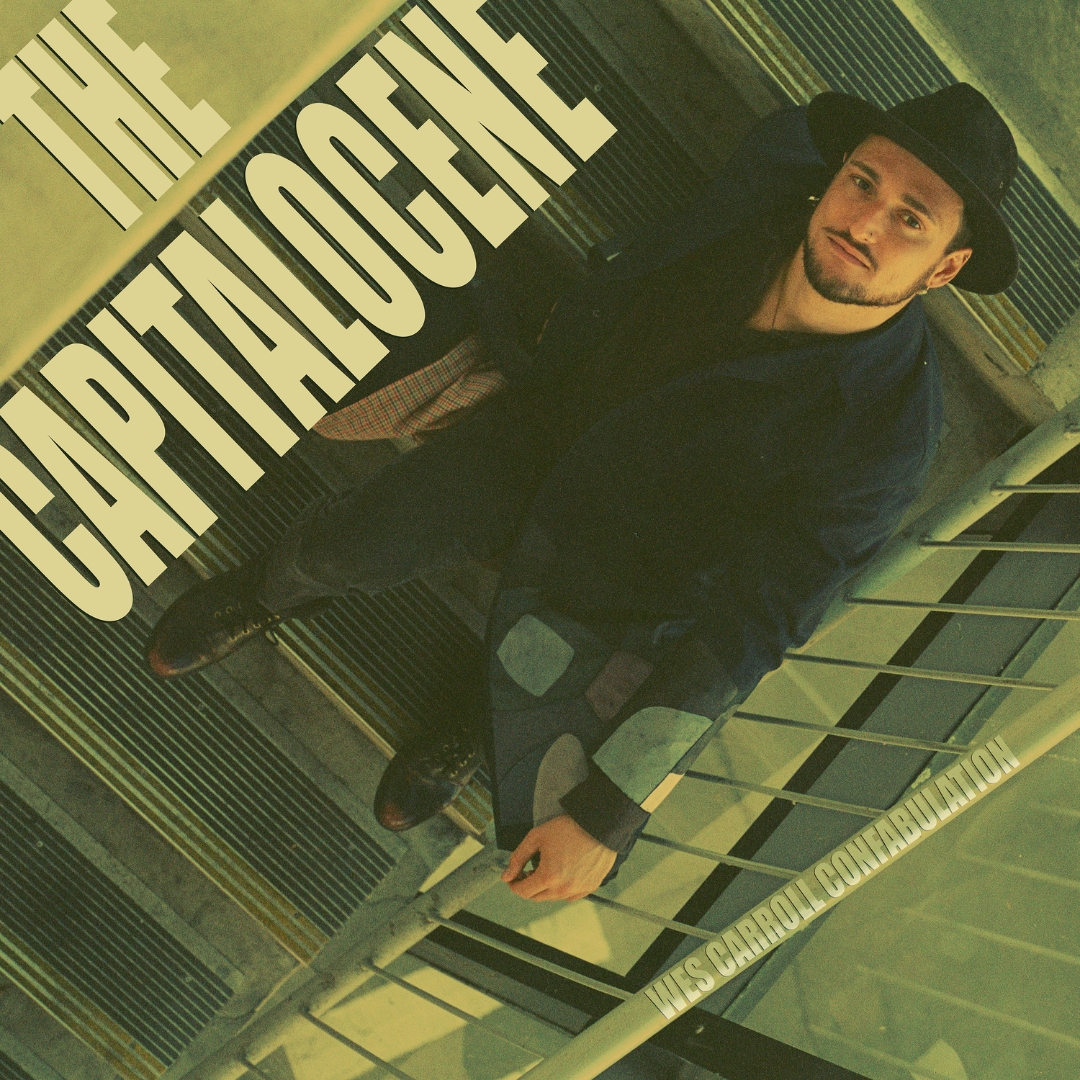
Four tracks. One radio edit. A slide guitar that winds through the whole enterprise like a thread of copper wire pulled through wet clay. This is the band's fourth commercial release, following three full-length albums, and it carries the particular confidence of a group that knows exactly what it's doing, even when it's doing several things at once.
The title track opens proceedings and wastes absolutely no time. Sitting atop hip hop beats and a double-time swing section that nods knowingly toward Kendrick Lamar's "For Free," Carroll raps with a fluid authority over a foundation that keeps shifting — blues, jazz, conscious hip hop — never settling long enough to be categorised, always pressing forward. The slide guitar here is not decorative. It *argues*. It bends notes around Carroll's syllables like a second voice, one that arrived from the Mississippi Delta by way of a labour theory of value lecture. The song positions itself in a lineage of social justice rap spanning five decades, and it earns that placement without swagger or apology.
"It's Our Turn" is the EP's most quietly devastating moment. Folk, soul, and hip hop fused beneath the steady thump of a marching band beat — it sounds like a funeral procession that has decided, somewhere along the route, to become a celebration. Carroll's meditation on ancestry is neither sentimental nor abstract; it honours the "brave and silly ancestors" who resisted capitalism's enclosure of the commons with the kind of affection that only comes from genuine political feeling. Feminine wisdom, community, the passing of torches — the themes could curdle into earnestness, but the arrangement keeps them buoyant, grounded, alive.
"Apolitical" is where the record gets philosophically adventurous. Swirling vibraphones and soaring slide guitar orbit rap vocals that press on even as they circle a mantra of paralysis: *I've got capacity but just can't seem to put it in place.* The song's central argument — that apathy is a design feature of capitalism, not a personal failing — is presented not as a lecture but as an experience. You feel the fog before you understand the mechanism producing it. That's the difference between art and a pamphlet, and Carroll clearly understands the distinction.
"All Aboutt," closing out the original four, is the EP's most immediately joyful track, all percussive vocals and bouncy indie rock momentum, with a guitar solo at the end that simply refuses to apologise for itself. Originally appearing on the band's 2018 album *Off Empire*, it slots into this collection with the ease of a song that always knew it belonged here — consumerism's loneliness transformed, through rhythm and solidarity, into something worth dancing to.
The production, captured at Marss Audio and 7 Lamps Music Studio, gives the ensemble room to breathe without ever letting the arrangements sprawl. Dakota Hoeppner's keyboards, the percussion of Sascha Enns and Cyril Lojda, the bass contributions from Steven Taddei — everything sits in service of the song. The background vocals from Greg Baan-Meiklejohn and Toni Mendel add warmth without softening the edges that need to remain sharp.
Carroll, a jazz performance graduate of the University of Toronto and a faculty member at the Victoria Conservatory of Music, wears his learning lightly. The vibraphones shimmer with a sophisticated understanding of jazz timbre; the hip hop cadences are precise and unfussy. And yet none of it feels academic. The EP is, at its core, a document of genuine feeling — anger, solidarity, frustration, and stubborn, almost unreasonable hope.
The Capitalocene EP doesn't pretend that music changes the world by itself. It knows that even rebellions, as Carroll himself puts it, "get scanned at the checkout." The joke is real. The grief is real. And somehow, in holding both at once, this record manages to be not just politically engaged but genuinely, pleasurably alive.