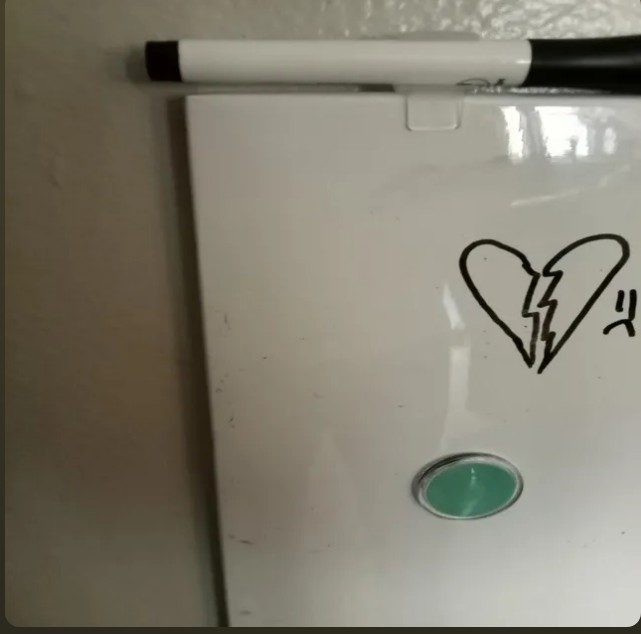
*Plastic Orange* is the sound of a man in freefall, and the band have constructed around that fall something genuinely remarkable: a piece of indie rock that manages to be simultaneously ridiculous and profound, the kind of song that makes you laugh and then feel immediately guilty about it.
Von Berg, the German-American lyricist who apparently needs no further introduction (though he will provide one regardless), has built his reputation on writing about toxic love with the forensic obsession of a man who simply cannot stop touching the wound. Here he does not disappoint. The title itself is the key — drawn from a genuine incident in which Von Berg, upon discovering his partner's infidelity, entered what the press materials describe as a "manic breakdown" and ate a plastic orange sitting on a table nearby. One could dismiss this as mythology, as the kind of baroque band lore that indie acts manufacture to distinguish themselves from the competition. But the song makes you believe it. The desperation feels too specific, too *weird*, to be invented.
The production, assembled in Alfred Lavender's home basement studio, carries exactly the kind of magnificent claustrophobia that the subject demands. Von Berg's synth work — developed alongside The Crimson Creep, Samuel Cummings, whose nickname alone suggests a man born for this particular musical universe — opens the track with something between a lullaby and a threat. The keys have a pressurised quality, like sound trapped in a small room, which is precisely appropriate for music about the airless hell of a relationship collapsing in real time.
And then J. Edwin Galloway. The false ending arrives and you think the song has made its point, said its piece, closed its diary. Then Galloway's guitar enters and the whole thing tears itself open again. It is an arrangement decision of genuine craft — the musical equivalent of thinking you've escaped grief only to find it waiting around the next corner with a cigarette and a sneer. The roar of those guitar solos does not comment on the song's emotional content so much as *embody* it. This is the sound of someone who cannot let go, rendered in six strings.
Edward Clutterbuck's vocals deserve particular attention. His voice has the quality of someone delivering testimony rather than performance — present, bruised, occasionally tipping toward the theatrical, but always anchored by something that sounds like it costs him something to sing. The line about lust so intense it could lead to blood and gore could, in lesser hands, become parody. Clutterbuck makes it feel like a confession extracted under pressure.
The band's history — and Rubbish Party's history is, it must be said, extraordinary even by rock and roll standards — looms over the single without overwhelming it. Federal investigations, arrests, personal drama, a hiatus that seemed potentially permanent: the press materials catalogue all of this with the casual bravado of people who have genuinely stopped being embarrassed. Whether this context inflates or complicates the music depends on your tolerance for mythology. This writer's view is that *Plastic Orange* doesn't need any of it. It stands alone, messy and committed, a portrait of emotional devastation that the indie rock canon has rarely rendered with quite this much unselfconscious honesty.
The forthcoming American tour dates suggest a band who have processed their chaos and are now ready to export it. The audience that finds this record will find it essential. The rest will simply not know what they are missing.
A comeback as strange, and as real, as the story that inspired it. Eat your heart out. Or, apparently, your fruit bowl.