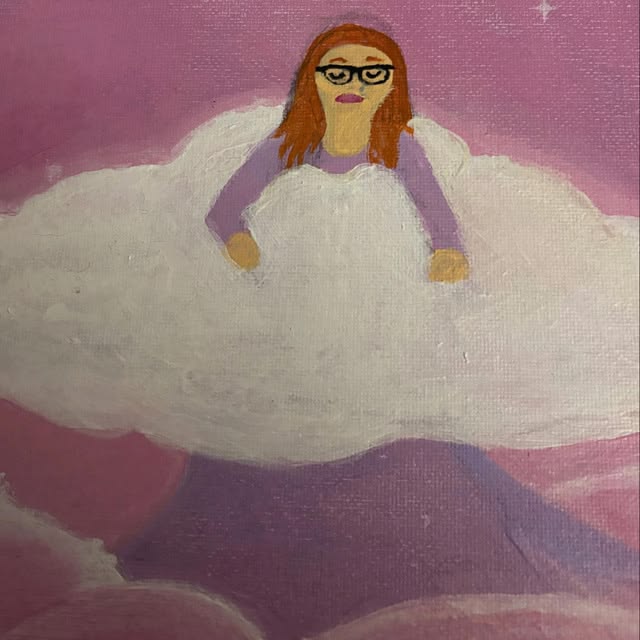
The track arrives wrapped in the kind of production that the British music press tends to reach for the word "gauzy" to describe, though that word doesn't quite do justice to what Nick Kozuch at Unit Studios has actually constructed here. The opening bars shimmer like sunlight through net curtains — warm, diffuse, just slightly out of focus — before a melodic hook arrives that feels like it has always existed, as though you've been humming it your whole life without ever knowing the words. The arrangement is deceptively spare: layered synths, a pulse that suggests a heartbeat rather than a tempo, and vocals processed just enough to suggest vulnerability without drowning in affectation. She doesn't oversell it. That restraint is doing considerable heavy lifting.
Mandybom's voice sits somewhere between a confession and a lullaby. On the verses she adopts an almost conversational delivery — intimately close, like a voice note from someone who couldn't sleep at 2am — before the chorus lifts into something more open, more aching. The title's triple structure is telling: *Dream it* (the fantasy), *Spell it* (the incantation, the way we write names in the dark margins of notebooks), *Feel it* (the gut-punch of realisation that this is all very real and possibly unreciprocated). Three stages of romantic preoccupation compressed into a single, grammatically elegant command. She's writing witchcraft dressed as a pop hook, and it absolutely works.
The music video, directed with a confident eye for texture and negative space, leans into the dreamlike quality of the track without tipping into the kind of wilful obscurantism that often plagues visually-minded pop artists desperate to be taken seriously. The visual grammar here is consistent and purposeful: soft-focus interiors, golden-hour light, a central figure who looks through rather than at the camera. It trusts the viewer to bring their own emotional context, and this confidence pays off. The edit moves at the song's pace rather than fighting it — a choice that sounds obvious but is rarer than you'd think.
What is most striking, setting aside for a moment the considerable craft on display, is the emotional intelligence embedded in the songwriting. The specific kind of longing Mandybom documents isn't the grand romantic tragedy of classic balladry; it's the quieter, more contemporary ache of phones left on read, of playlists constructed for people who don't know they've been curated for. She is writing the interior monologue of a generation that communicates most fluently in the oblique — through listening habits and late-night stories rather than declarations — and translating that into three-and-a-half minutes of melodic pop that your body understands before your brain catches up.
The British pop tradition has always made room for this kind of introspective, female-led emotional excavation — from Sade to Dido to the wave of artists who emerged in the early 2010s wearing feelings like armour. Mandybom belongs to this lineage while clearly and firmly occupying the present moment. She is not nostalgic; she is observational. The past she references is the recent past: last Tuesday, last month, the last thing you should have said but didn't.
*Dream It, Spell It, Feel It* is a quietly assured statement. It announces, with no great fanfare and no appetite for approval, that Mandybom is building something worth watching — a body of work rooted in genuine emotional specificity, executed with real musical sophistication. Play it late. Play it loud enough that you stop thinking.