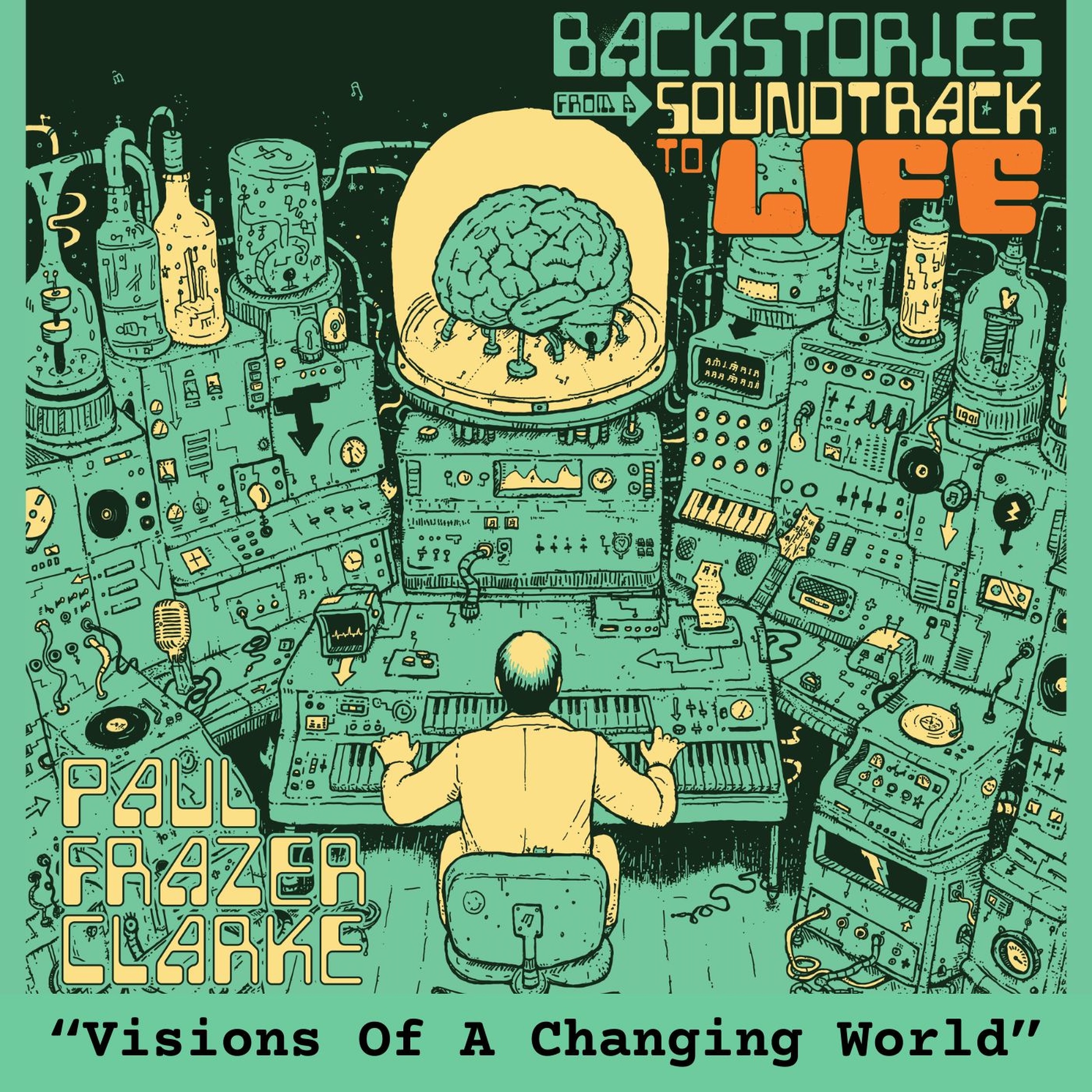
The track announces itself with the kind of languid, sun-warmed groove that recalls the great lost afternoons of early-nineties soul — the period when PM Dawn were making hip hop safe for philosophers, and Incognito were quietly constructing the most sophisticated British jazz-funk nobody's radio station wanted to play. Clarke clearly paid attention during those years. The production is immaculate without ever becoming sterile; the chord changes breathe rather than suffocate, and the rhythmic architecture beneath it all has a pleasing density, each element placed with the care of someone who knows that a well-chosen silence is worth a dozen superfluous notes.
Sharin Attamimi is the kind of vocalist who makes arrangement decisions look easy. A finalist on both *The Voice Australia* and *Australian Idol* — a fact the press materials note with some justification — she brings to this material something that televised talent competitions rarely reward: restraint. She does not oversing. She does not audition. Instead she inhabits the lyric with the lived-in ease of someone who has been carrying the song around for years, letting the melody carry the weight rather than demonstrating her capacity to lift it alone. The comparison to Stevie Wonder is not idle flattery; like Wonder at his most politically engaged, Attamimi understands that the most cutting social commentary is delivered in a voice that still somehow sounds like warmth.
Denairo's spoken word contribution is the track's pivot point, the moment where the production's gorgeous surface gives way to something more urgent beneath. His verses function as the editorial to Attamimi's headline — where she makes you feel the world's disquiet, he makes you examine it. The contrast is purposeful and effective. Clarke, to his credit, has not crowded the space around either contributor. He appears to have made his arrangements and then trusted his collaborators to fill them — a discipline that separates producers from mere technicians.
The Stevie Wonder comparison, repeated across the promotional material, is earned, but Clarke's frame of reference clearly extends further. *Visions of a Changing World* carries the political sinew of classic Gil Scott-Heron, the lush textural sophistication of late-period Sade, and — most intriguingly — an emotional directness that sidesteps the usual hedging and ironic distance of contemporary music. This is a track with actual convictions. Whether or not one shares them is, to some extent, beside the point; the willingness to commit is itself notable, even bracing.
Clarke has accumulated credits that would embarrass most producers half his age — the Grammy Award-winning Lucky Oceans, Fun Lovin' Criminals' Naim Cortazzi, appearances on *The Oprah Winfrey Show*, BBC, National Geographic, and an extraordinary claim that he co-wrote and produced the first drum and bass album in history. All of this backstory feeds the current work not as nostalgia but as bedrock. You can hear it: the assurance of a craftsman who has stopped trying to impress anyone and is simply making the record he wants to make.
*Visions of a Changing World* will not overhaul the charts or rewrite the conversation about contemporary soul music. It will, however, find its way to the people who need it — those for whom music still constitutes a genuine dialogue rather than a backdrop — and for those listeners it will land with considerable force. Amazing Radio UK and US are already playing it. They are right to.
Dense, deliberate, and disarmingly honest, this is conscious soul at its most self-possessed.