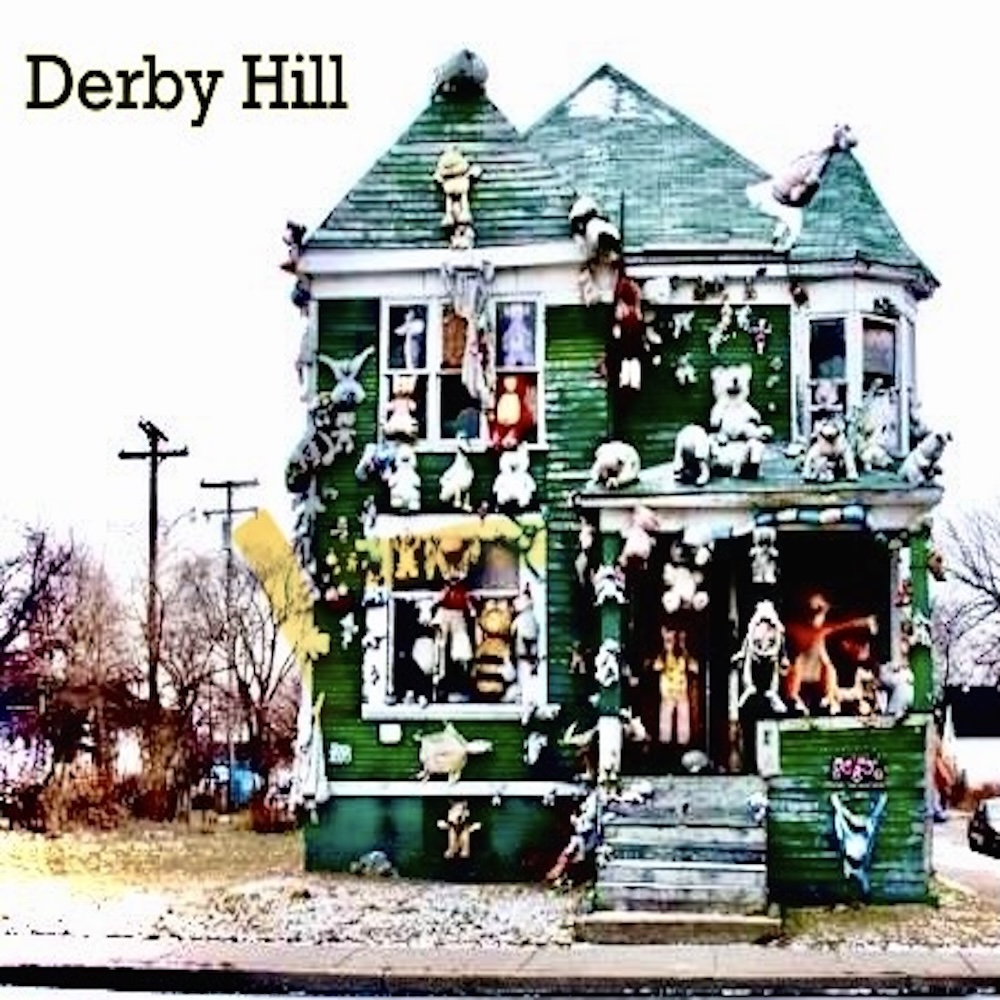
Derby Hill's creative lineage runs through the holy trinity of American storytelling troubadours—Steve Earle, Leonard Cohen, John Prine—yet he resists the temptation to merely cosplay their well-worn mannerisms. Instead, he channels their commitment to unflinching observation, their willingness to find grace in the mundane and dignity in defeat. The EP operates within what Hill himself terms "Neosincerity," a rejection of ironic distance that feels both necessary and brave in our current cultural moment.
The songs chronicle families clinging to survival, lovers lost to time or circumstance, individuals forcing themselves forward when every instinct screams retreat. Hill populates his compositions with characters rendered in three dimensions—flawed, struggling, occasionally transcendent. These are the people who gather wisdom from whiskey bottles, who find impossible resilience on back porch swings, who discover that even fragments of unconditional love possess power enough to sustain.
What makes this collection remarkable is Hill's refusal to prettify or sentimentalize. The arrangements, described as rich and cinematic, provide expansive canvases for his narratives without overwhelming them. One senses the collaboration between Hill and his assembled musicians—the "waxing" musicians he credits with bringing these compositions to life—operates in service of emotional truth rather than technical showmanship. The production values honor the source material; these songs emerge from an "unvarnished heart," and the recordings preserve that essential rawness.
The geographical journey from Detroit to Chicago mirrors the EP's thematic concerns—the displacement and rootlessness of contemporary working-class life, the search for home and meaning in transitional spaces. Yet Hill never allows these songs to become exercises in regional nostalgia or class tourism. His perspective comes from within these communities, from intimate understanding of their codes and compromises.
Hill cites influences as diverse as Warren Zevon's dark humor, Richard Pryor's fearless truth-telling, and his own Uncle Homer alongside the expected musical touchstones. This eclectic list speaks to an artistic sensibility that recognizes connection and revelation wherever they appear. The specter of Hunter Thompson hovers too, suggesting an appreciation for America's beautiful grotesqueries, its capacity for simultaneous nobility and absurdity.
The EP's modest origins—those basements and closets—become paradoxically its greatest strength. Free from studio polish and commercial pressure, Hill has created something genuine, a document of contemporary struggle that refuses easy consolation while never descending into despair. His stated intention—to forge connection, to make us "a little less alone in the world"—guides every composition.
Derby Hill's willingness to play your party "for a fee" reveals both humor and humility. Here is an artist without pretension, someone who understands that art exists in the living, in the moments of communion between performer and audience, not in abstract theory or critical approval. When he insists "I meant it," one believes him completely.
This is music for those tired of cleverness, exhausted by postmodern games, hungry for songs that acknowledge pain without wallowing, that recognize beauty without romanticizing. Derby Hill has delivered an EP that honors the traditions of American roots music while speaking directly to our fractured present. The Detroit native has given us six dispatches from the front lines of ordinary life, where redemption remains possible and love—however economically irrational—endures.