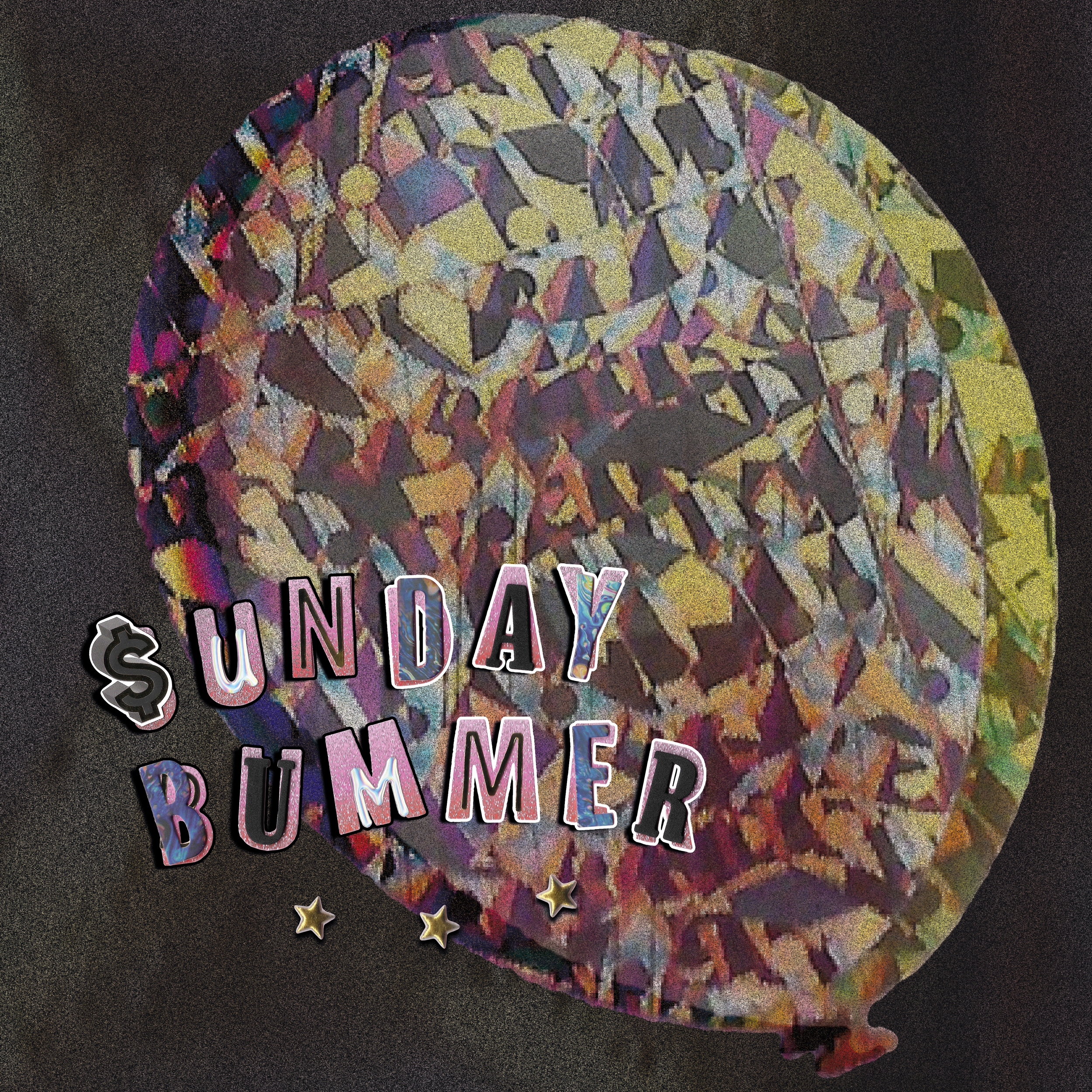
What becomes immediately apparent across these thirteen tracks is the Oregon-based artist's refusal to traffic in easy comforts. This is protest music of a peculiar sort: not raging against governmental machinery or corporate overlords, but against the more insidious enemy of modern disengagement. The album functions as an extended argument for presence, for showing up to one's own life even when—especially when—doing so proves uncomfortable.
The songcraft here oscillates between the intensely personal and the broadly observational. "Unleash the Beast" barrels forward with primal urgency, its central exhortation to "Feed your instincts" serving as deliberate counterpoint to our over-intellectualized moment. Yet this rawness never devolves into mere posturing. By the time we reach "Skeletons," the artist has peeled back enough layers to reveal genuine tenderness: "I wanted you / To notice me" lands with the kind of unguarded honesty that makes lesser songwriters squirm.
The album's most cutting moments arrive in its cultural commentary. "Problems" operates as a recursive nightmare, its circular logic—"I create problems / To sell you solutions"—functioning as both indictment and confession. We are all complicit, the song suggests, in the systems that diminish us. "Information Overload" pushes this critique further, its visceral imagery ("Cut me in the side / And watch me BLEED!") rejecting the polite distance most artists maintain when addressing societal malaise.
Yet Creative Vibrations demonstrates enough wisdom to balance diagnosis with treatment. "Palace in the Sky" and "Messages" offer not escapism but imaginative resistance. The former's invitation to "Find your palace / of your design" acknowledges that survival often requires constructing interior spaces the external world cannot touch. The latter track's image of being "Strung out on a thread of light" suggests connection across voids—temporal, spatial, spiritual.
The record's emotional architecture reaches its most vulnerable foundations on "Hero," where ego dies quietly and something more human emerges. "Wish I was your hero / But I'm just an ordinary guy" shouldn't work as well as it does, but the delivery strips away irony until only truth remains. This same quality permeates "Reel Me Back In" and "Help You Through," songs that understand relationships not as solutions but as mutual rescue operations.
Spirituality weaves through *Sunday Bummer* without ever becoming preachy. "Voice in Your Heart" serves as the album's contemplative center, urging listeners toward interior listening rather than exterior noise. The artist positions themselves not as authority but as fellow traveler, someone asking questions rather than providing answers.
The album concludes with "Groove Process," and here Creative Vibrations reveals their hand completely. This is an artist who believes in rhythm as redemption, in the physical act of creation as antidote to despair. The closing sentiment—"This life was meant for loving you / Without the fight"—completes the journey from confrontation to acceptance, from struggle to something approaching grace.
*Sunday Bummer* demands repeated listening, not because it obscures its meanings but because it contains multitudes. Creative Vibrations has crafted a rare thing: a philosophical album that never forgets to be human, a serious work that never loses its sense of vitality. Whether it will find its audience in our fractured cultural moment remains uncertain, but the attempt itself—messy, earnest, uncompromising—feels vital. The world needs more artists willing to ask difficult questions, even when the answers prove elusive.