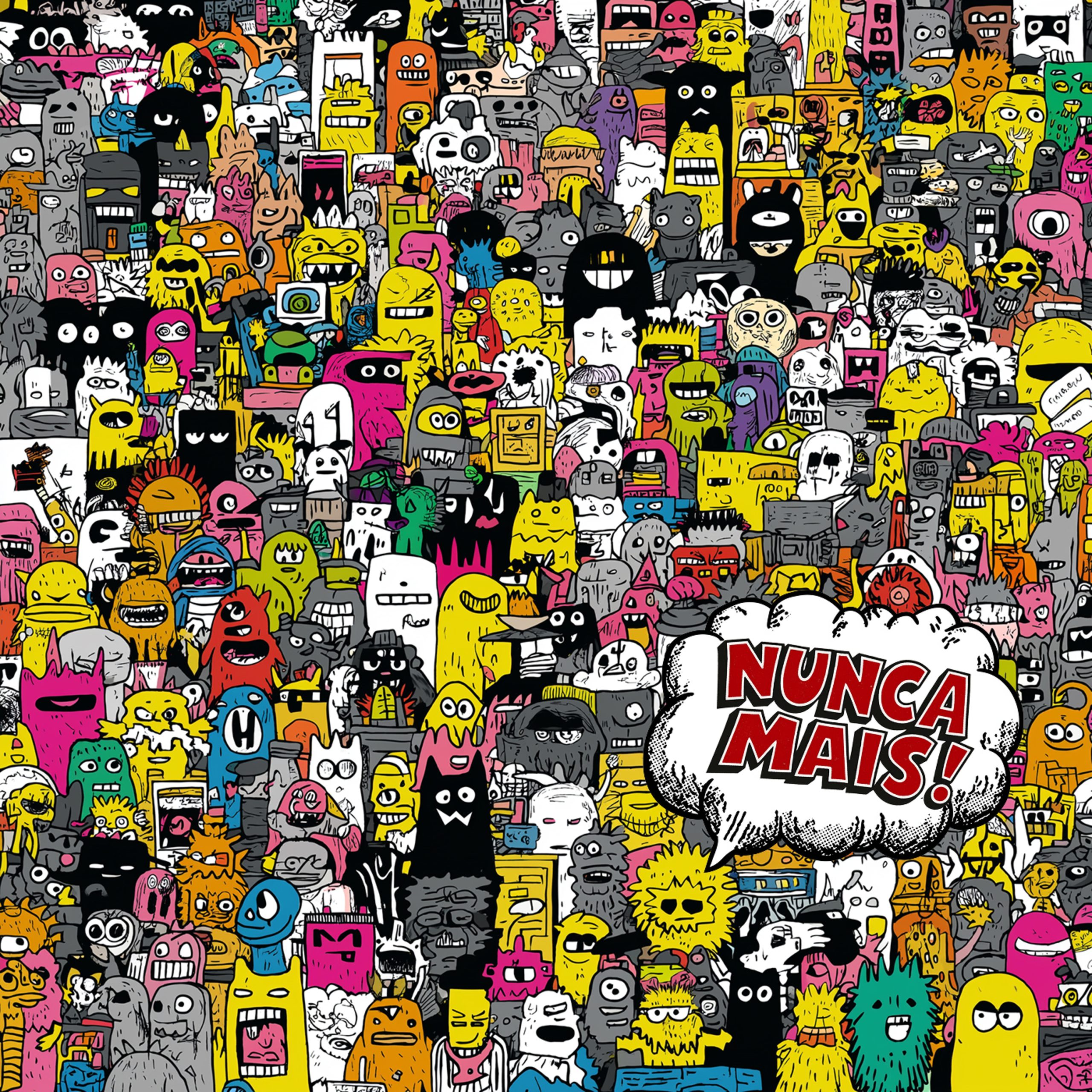
The premise is deceptively simple: "Nunca Mais" translates to "Never Again," and it's both a declaration and a plea. In an era where everyone's perpetually hustling, optimizing, and manifesting their best lives across six different platforms, Messina and Somaroo have created a sonic pause button, a musical intervention for a world that's forgotten how to simply be. It's the sort of project that makes you wonder why more artists aren't addressing the collective nervous breakdown we're all pretending isn't happening.
What's immediately striking about this release is its genesis story. The entire composition—structure, form, and lyrics—materialized in a single day of what the press materials describe as "pure creativity." There's a rawness to this approach that one suspects is entirely intentional, a rejection of the endless tweaking and overproduction that plagues so much contemporary music. It's as if the duo understood that a song about reclaiming the present moment couldn't afford to be labored over ad infinitum.
The instrumental palette is refreshingly organic. Messina's cavaquinho and guitar work provides the rhythmic backbone, while the contributions from Paolo Almeida on percussion, Fernando Brox on flute, and David Cogliatti on piano create a textured soundscape that feels both intimate and expansive. There's something wonderfully spontaneous about how these musicians "just dropped by and jumped in"—a creative process that mirrors the song's central message about embracing the moment rather than orchestrating it to death.
Messina's multicultural background—Basel-born to a Brazilian mother and French father—seeps into every corner of this release. The Brazilian roots are evident in the rhythmic sensibilities and the choice of cavaquinho, that diminutive four-stringed cousin of the guitar that carries so much emotional weight in Brazilian music. Yet this isn't pastiche or cultural tourism; it's the authentic voice of someone who exists between worlds, observing the mad dash of modern urban life with the perspective of an insider-outsider.
The thematic territory Cantoria do Amor stakes out here is ambitious without being pompous. They're tackling nothing less than the existential dread of contemporary existence—the fear of missing out, the tyranny of productivity, the creeping suspicion that we're all starring in our own private Sisyphean dramas. Yet there's no finger-wagging moralism here, no hectoring lecture about putting down your phones. Instead, "Nunca Mais" offers something more valuable: permission to stop running.
What makes this single particularly intriguing is its position as a harbinger. This is merely the opening salvo in what promises to be a more comprehensive artistic statement, with additional singles planned before a full album emerges. It's a bold strategy in an age when artists often frontload their best material. Cantoria do Amor seem confident that they have more to say, and that confidence is entirely warranted based on this debut offering.
The production, handled entirely by Somaroo at his Kleinbasel studio, strikes that elusive balance between polish and authenticity. There's space in the mix, room for the music to breathe—quite literally, given the song's message. It's the sound of musicians trusting their material enough not to smother it with unnecessary embellishment.
As we barrel toward 2026, Cantoria do Amor's message feels increasingly urgent. "Nunca Mais" isn't just a song; it's a manifesto for anyone who's ever felt the world spinning too fast beneath their feet. In choosing to slow down, breathe, and create music that matters over music that simply fills space, Messina and Somaroo have given us something rare: a moment of genuine connection in an increasingly disconnected world.
This is music for the pause between breaths, for the space between thoughts. It's a reminder that sometimes the most revolutionary act is simply to stop, look around, and remember what living actually means. Never again, indeed.