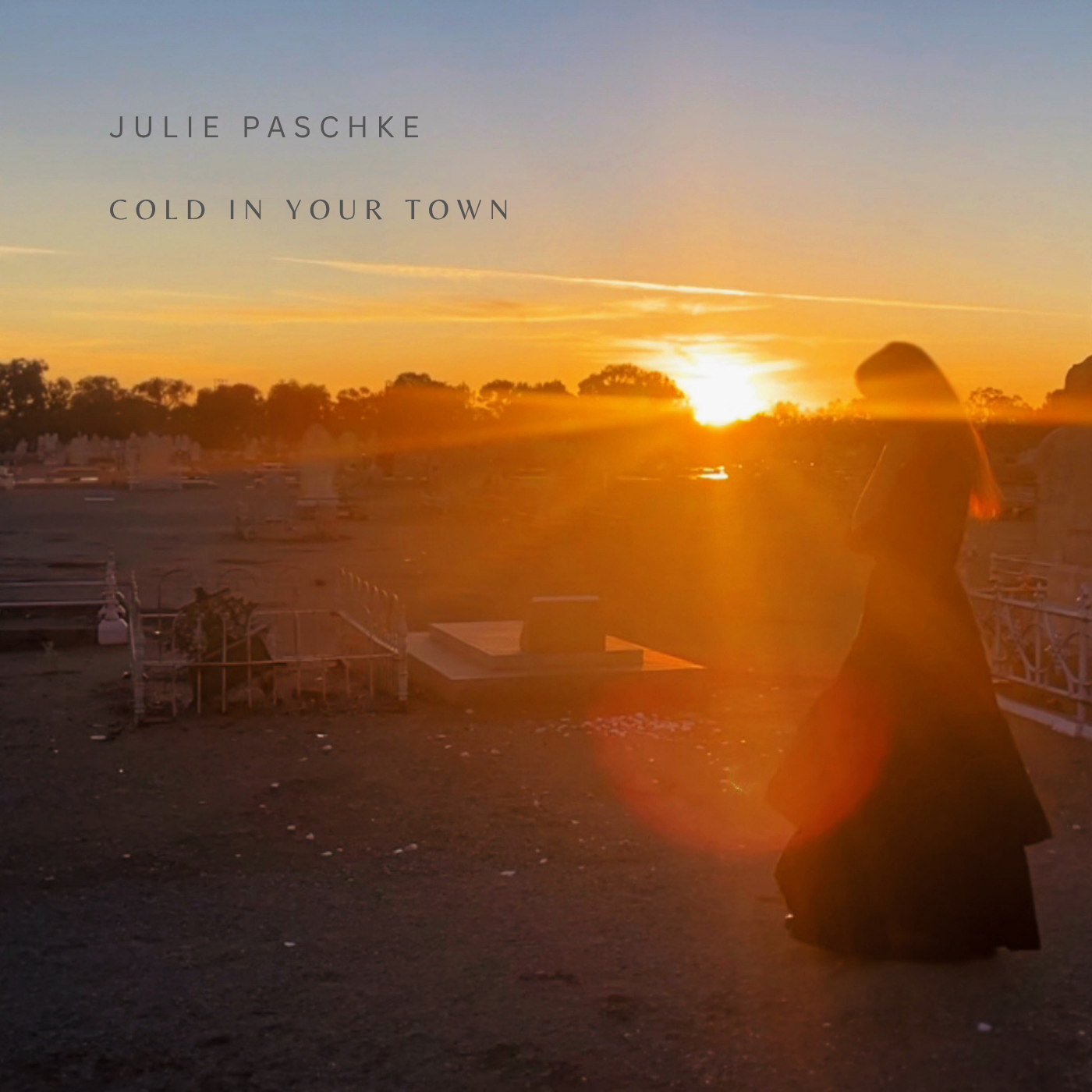
Paschke describes her compositional method as "streams of consciousness," and 'Cold In Your Town' bears the hallmarks of this approach. The piece resists easy categorisation, refusing the verse-chorus-verse orthodoxy that dominates commercial songwriting. Instead, it unfolds with the logic of interior monologue, thoughts bleeding into one another, emotional states shifting without warning. This structural fluidity serves the material beautifully, creating a listening experience that feels less like following a narrative and more like inhabiting someone else's troubled mental landscape.
The lyrical content, which Paschke admits "tends to make sense after the fact," explores what she calls "delusions and troubled psyches, difficulties in connecting and the quagmire of human interactions." 'Cold In Your Town' captures these preoccupations with particular acuity. The title itself suggests geographical and emotional distance simultaneously - a place that offers no warmth, whether meteorologically or interpersonally. One senses urban alienation, the paradox of loneliness amid crowds, relationships that fail to generate the heat necessary for genuine connection.
Paschke's vocal delivery proves essential to the track's success. Working without the safety net of bandmates or live performance dynamics, she opts for intimacy over projection, drawing listeners into her confidence rather than commanding their attention through force. The performance feels unguarded, vulnerable, as though we're overhearing rather than being addressed directly. This approach risks sounding tentative or undercooked, but Paschke possesses sufficient craft to make fragility compelling rather than merely weak.
The instrumentation, initially sparse in Paschke's home recordings before Duszynski's interventions, maintains an appropriate restraint throughout. Nothing overwhelms the vocal; everything serves the song's emotional core. One hears echoes of various traditions - the confessional singer-songwriter lineage, certainly, but also the experimental edges of bedroom pop, the textural sophistication of contemporary production. The mixing balances clarity with atmosphere, ensuring that individual elements remain distinct whilst contributing to an enveloping whole.
What distinguishes 'Cold In Your Town' from countless other home-recorded tracks is its absolute commitment to mood over marketability. Paschke's stated philosophy - "I figure you gotta spend your moments doing something so do something you enjoy" - manifests in music that prioritises artistic integrity over commercial calculation. She creates for the sake of creation, adding to "the pool of songs in the world," and this absence of careerism proves liberating. The track needn't conform to playlist requirements or algorithm preferences; it simply exists on its own terms.
Paschke's resistance to self-promotion and artist mythology feels refreshingly counter-cultural. "I'd much rather the music was interacted with rather than me," she notes, lamenting how social media encourages artists to "reveal too much." This preference for mystery, for letting the work speak rather than the biography, recalls an earlier model of artistic engagement. The music becomes primary again, not merely a vehicle for personal brand-building.
'Cold In Your Town' rewards this approach. It's a piece that benefits from repeated listening, revealing additional dimensions as familiarity grows. The initial impression of simplicity gives way to recognition of considerable craft, both in composition and execution. Paschke has created something genuinely personal yet broadly resonant, specific in detail yet universal in emotional reach - no small achievement for any artist, regardless of recording circumstances or commercial aspirations. The cold she describes proves strangely warming, the isolation somehow companionable. That's the paradox good songwriting achieves, and Paschke achieves it here.