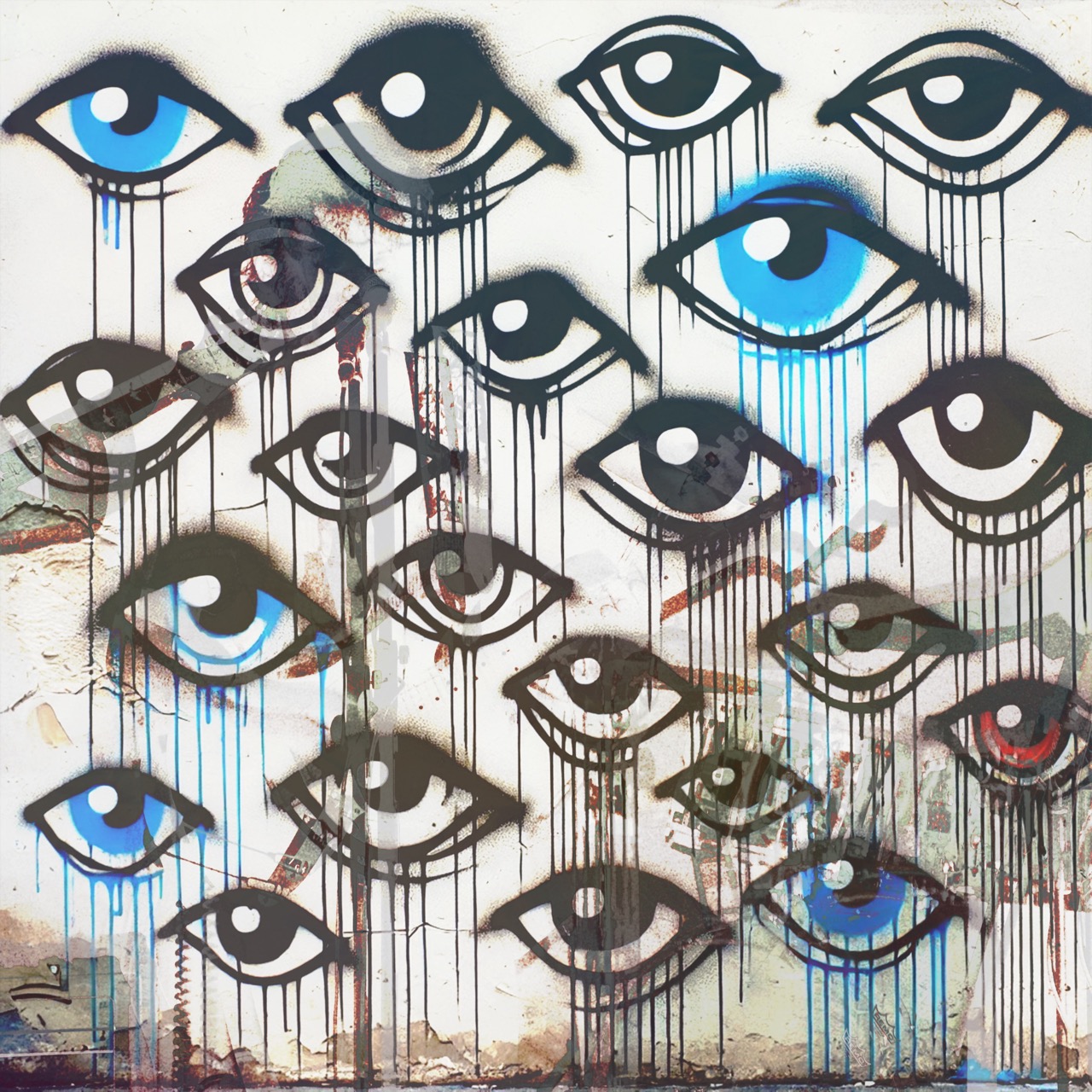
This is music that understands the peculiar alchemy of the 1980s without succumbing to mere pastiche. Where lesser artists might mistake reverb for atmosphere and gated drums for authenticity, Bates demonstrates a songwriter's instinct for what made that decade's arena anthems resonate beyond their era. The ghost of Bruce Springsteen's Nebraska-period introspection haunts the verses, while INXS's sensual swagger prowls through the chorus. Yet this is no cosplay exercise—Bates has absorbed these touchstones and refracted them through a distinctly contemporary lens of romantic disillusionment.
The lyrical conceit proves deceptively simple: the lies we tell ourselves about relationships already dead on the table, the mutual pantomime of affection performed long after genuine feeling has evacuated the premises. "The deceit that lingers in a broken relationship and how we don't always try to fix the things we break," as Bates himself describes it, becomes a meditation on emotional cowardice dressed in soaring melodic architecture. It's the sort of thematic territory that could easily collapse into mawkishness or, worse, into the therapy-speak platitudes that plague so much modern pop. That Bates navigates these treacherous waters speaks to a maturing artistic sensibility.
The production deserves particular scrutiny. Self-produced music often betrays itself through overcompensation—too many layers masking insufficient ideas, or conversely, a spartan aesthetic mistaken for authenticity. "Lying Eyes" commits neither sin. The arrangement breathes with the confidence of someone who has learned when to add and, more crucially, when to subtract. The influence of The 1975's maximalist-minimalism can be detected in the way space and sound negotiate throughout the track, while ICEHOUSE's crystalline synth work provides a textural blueprint that Bates follows without slavish devotion.
The trajectory from "Coffee In Japan" to this latest offering reveals an artist accelerating rapidly. That debut single's 58,000 Spotify plays suggested potential; the sold-out live debut in 2025 confirmed a genuine connection with audiences hungry for sincerity wrapped in sophisticated pop craft. "Lying Eyes" feels like the sound of an artist claiming territory rather than tentatively exploring it.
Bates positions himself within a lineage—Tears for Fears, Sam Fender, The Strokes—that values emotional directness without sacrificing sonic ambition. This is grown-up pop music unafraid of its own romanticism, yet sufficiently self-aware to interrogate that romanticism's failures and delusions. The song's emotional terrain is familiar—we've all been complicit in relationships sustained by inertia and falsehood—but Bates renders it with enough specificity and musical verve to make the journey feel urgent rather than rote.
"Lying Eyes" confirms Noah Bates as a genuine prospect—an artist capable of honouring his influences while forging something distinctly his own. The song works both as immediate pop gratification and as something more substantial, a quality that bodes well for whatever comes next. British music criticism has long prided itself on spotting talent before the consensus forms. Consider this an early endorsement.