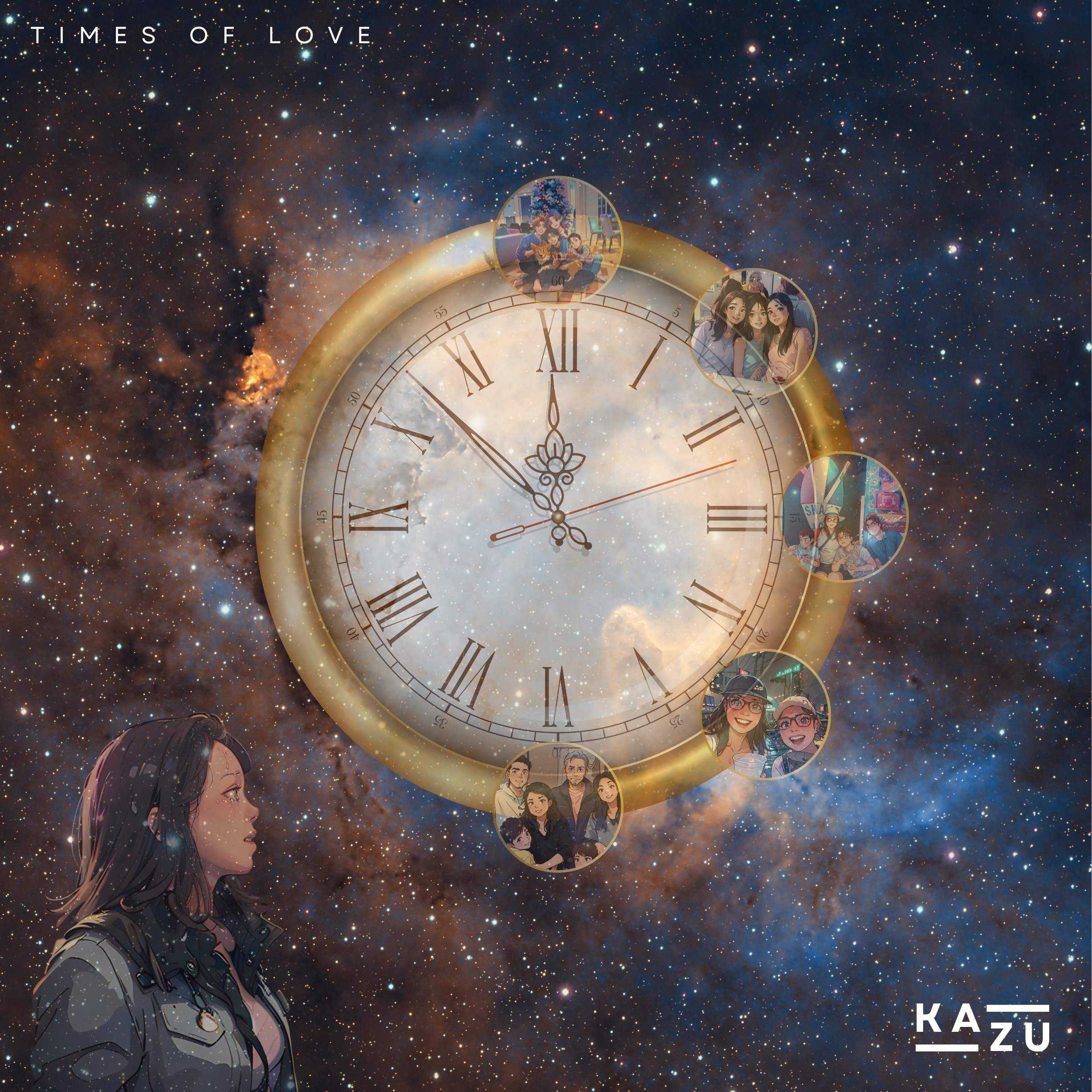
What strikes most immediately about this release is its unfashionable sincerity. Osumi has crafted a meditation on mortality and memory that refuses the ironic distance so prevalent in much contemporary songwriting. The track's genesis—a tribute to a late bandmate whose name Osumi has adopted as her artistic moniker—provides the emotional scaffolding for what becomes a broader reflection on how temporal passage reshapes rather than diminishes affection. This is not grief as raw wound but as something transformed, examined through the mellowing lens of retrospection.
The instrumental architecture reveals Osumi's stated influences with admirable transparency. The guitar work channels the fluid melodicism of Eric Clapton's more contemplative moments, married to John Mayer's knack for phrases that lodge themselves in the listener's consciousness. These are not mere homages but rather absorbed lessons, filtered through Osumi's own sensibility. The lines move with purpose, each phrase carefully weighted, creating space rather than filling it—a discipline that serves the song's reflective nature admirably.
The production philosophy here merits particular attention. By enlisting Musiversal session musicians for live instrumentation, Osumi has pursued what she terms an "evergreen" approach, resistant to the temporal markers that date so much contemporary production. It's a gambit that largely succeeds, though one occasionally wonders if the pursuit of timelessness has resulted in something verging on the overly safe.
Jane Lui's contribution as Surrija deserves highlighting. Her background vocals and counterpoint melodies provide textural richness without overwhelming the central narrative. It's thoughtful, complimentary work that speaks to a collaborative understanding between artists—Osumi's stated desire to "study her choices" has yielded dividends in the form of vocal interplay that feels organic rather than imposed.
Lyrically, the track navigates familiar territory—the intersection of love and loss, memory and meaning—but does so with enough specificity to avoid cliché. The prechorus, reportedly inspired by Lui's Instagram query "What is time?", suggests a philosophical bent that the song explores without becoming ponderous. Osumi understands that such weighty questions are best approached obliquely, through image and feeling rather than direct statement.
What "Times of Love" represents, ultimately, is a statement of intent. Osumi describes it as a message for loved ones, something to endure beyond her own presence. This ambition—to create music that outlasts its maker—is both noble and fraught. The song succeeds in its modesty, in its refusal to overreach or grandstand. Yet one senses that Osumi possesses capabilities that remain partially unexplored here. She mentions this track diverges from her more experimental previous singles, suggesting an artist capable of greater risk-taking.
The track's greatest achievement lies in its restoration of the human element to guitar-based songwriting. The deliberate choice to foreground organic instrumentation feels increasingly radical, a quiet rebellion against the homogenising forces of modern production. Whether this approach will resonate with contemporary audiences remains to be seen, but Osumi has created something genuinely felt, crafted with care and evident skill.
"Times of Love" may not revolutionise its chosen form, but it honours it with integrity and emotional honesty. For an artist still finding her voice, that represents a foundation worth building upon.