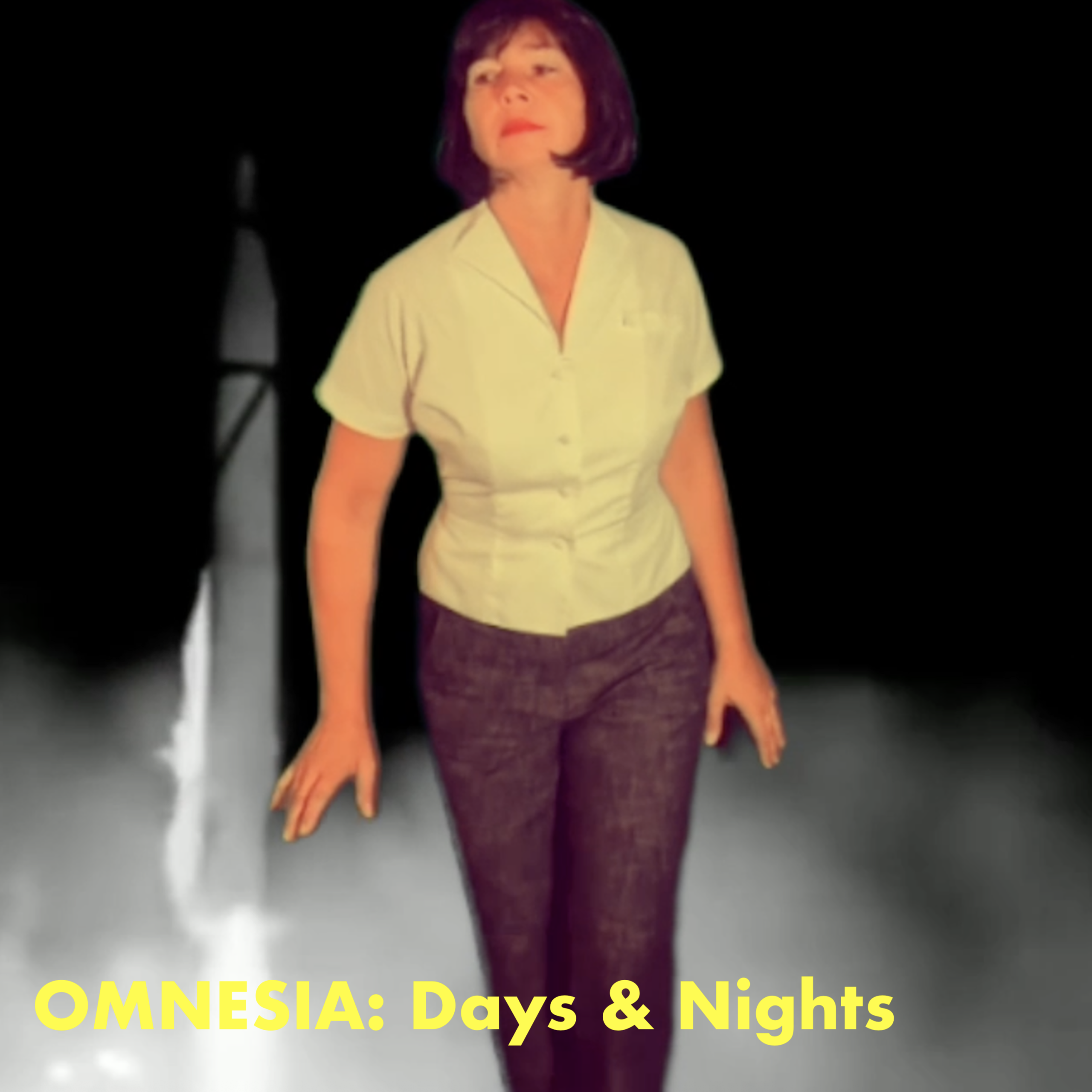
From the opening bars, the track establishes itself as a curious hybrid: future-facing yet steeped in analogue warmth, structurally adventurous whilst maintaining an accessible melodic core. The production choices reveal a band uninterested in contemporary compression wars or the digital sheen that plagues much independent rock. Instead, they've pursued something more tactile, more lived-in. The decision to record the rhythm section in a cavernous Oakland warehouse space, drums bouncing off bare brick walls, gives the track an immediate spatial quality. You can hear the room breathing around Eric Slick's kit work—Slick, whose pedigree includes stints with Adrian Belew and Ween, bringing both precision and looseness to proceedings.
What distinguishes "Days and Nights" from the endless parade of bedroom production is its committed organicism. The core band—Slick, bassist Stephen Goodwin (whose résumé reads like a Bay Area session musician's dream CV), keyboardist Tal Ariel, and the Omnesia pair—tracked the piece in a single continuous take, eschewing the tyranny of the click track. This old-school approach yields dividends: the performance breathes naturally, expands and contracts with human timing, and possesses a cohesion that overdub culture rarely achieves. The technical cleverness of recording everything via direct outs and headphones, preventing drum mic bleed whilst allowing later re-amping, speaks to a production team thinking several moves ahead.
Kingston's vocal performance merits particular attention. The press materials mention "a wide range of stacked vocal layers," but this undersells her achievement. The vocal arrangements navigate between intimate vulnerability and euphoric release, mapping the emotional terrain of the song's subject matter—the peculiar sadness of temporary separation and the rush of reunion. There's an androgynous quality to Kingston's delivery that refuses easy categorization, slipping between registers with fluid confidence.
The accompanying video concept—described as "Mary Tyler Moore meets Planes, Trains and Automobiles"—suggests a knowing engagement with visual nostalgia without descending into mere pastiche. This points to Omnesia's broader aesthetic strategy: their self-proclaimed "future vintage" approach, positioning themselves as time-traveling archivists of sounds yet to be discovered. It's an ambitious conceit, perhaps even slightly pretentious, but the music backs it up.
Thematically, the track occupies territory that pop music has explored countless times—longing, absence, anticipation—yet Omnesia locate something fresh within these familiar emotional coordinates. The band's refusal to align with a single genre proves both their strength and potential commercial stumbling block. This isn't easily categorizable music; it won't slot neatly into algorithm-driven playlists or genre-specific radio formats. But for listeners weary of such categorization, this eclecticism offers genuine rewards.
The production detail deserves further comment: the strings that appear later in the arrangement, the synthesizer embellishments, the way the re-amped guitars sit in the mix—all demonstrate a fastidious attention to sonic texture. This is music constructed with care, not hastily assembled from Logic Pro templates.
"Days and Nights" suggests a band operating on their own terms, pursuing their vision with stubborn dedication. The track succeeds because it feels genuinely meant, emotionally authentic despite its technical sophistication. That combination—craft married to feeling—remains frustratingly rare. Omnesia have it in spades.