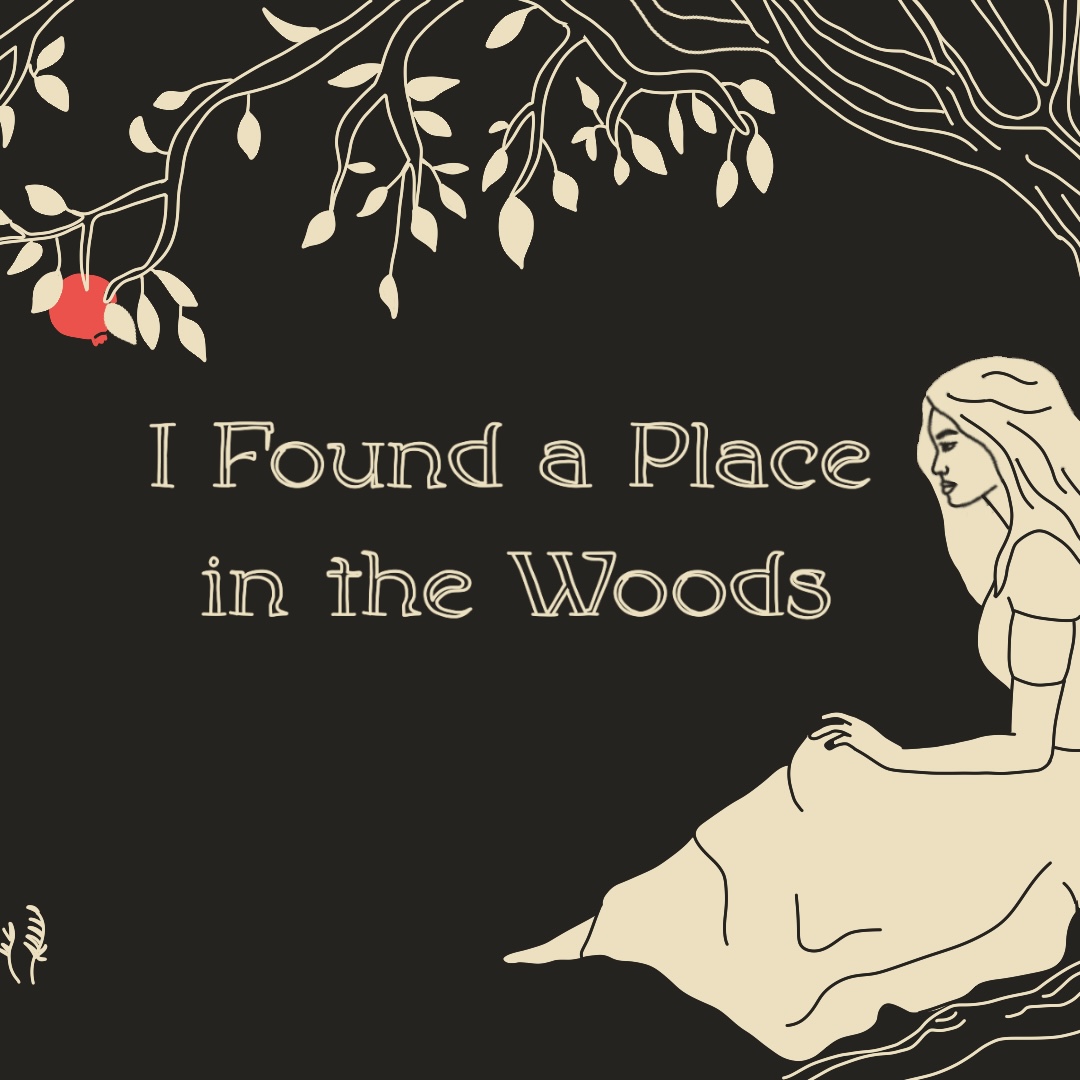
Produced by Jherek Bischoff, whose compositional credits speak to a rare understanding of orchestral subtlety, the track unfolds with the deliberate pace of seasonal change. Rawson's voice—that Pre-Raphaelite instrument, often compared to Florence Welch yet possessing its own distinctive character—floats above piano and strings with the weightlessness of October mist. The arrangement breathes. Strings swell and recede like tide patterns, piano notes fall as precisely as autumn leaves, and throughout it all, Rawson's vocals maintain a remarkable balance between fragility and command.
The song draws inspiration from the medieval ballad 'The Three Ravens', and this lineage feels earned rather than affected. Rawson has absorbed the folk tradition not as academic exercise but as lived experience. Her time at the Paris Conservatory studying violin and piano, her years performing everywhere from Ronnie Scott's to the Royal Albert Hall, her survival through chronic illness—all of this accumulates in a voice that understands both the weight of history and the urgency of the present moment.
What strikes most forcefully about 'I Found A Place In The Woods' is its refusal of easy consolation. The track charts a journey from grief to hope, yet Rawson never rushes the darkness. She inhabits it fully, allows it its proper space and time. When the song's "sudden bursts of warmth and uplift" arrive—as the press materials accurately describe—they feel genuinely earned, the result of emotional labour rather than production sleight-of-hand. The contrast between shadow and light that defines her work achieves its power precisely because both poles receive equal attention.
Lyrically, Rawson addresses her divorce and the process of "balancing self-presence with partnership"—territory that could easily veer into therapy-speak or self-help platitude. Yet she navigates these themes with the symbolic richness of fairytale, where forests represent both danger and transformation, where being lost becomes a prerequisite for being found. The natural world operates here not as backdrop but as mirror and participant, reflecting internal states while offering its own wild, indifferent comfort.
Anna Maria Lesevic's hand-drawn animated video proves a perfect complement. Set deep in forest shadow, it follows a woman through her journey back to selfhood with a visual language that matches the song's emotional honesty. The animation style—delicate, slightly unsettling, beautiful in an uncanny way—avoids the polished sheen of commercial video production. Like Rawson's music, it feels handmade, personal, particular.
The single serves as the first glimpse of 'Bright Star', Rawson's forthcoming 2026 album, and if this track indicates the direction, we can anticipate something substantial. This is music made by someone who has stared down mortality, endured the collapse of marriage while bedbound with Lyme Disease and Chronic Fatigue Syndrome, and emerged not hardened but somehow more permeable to beauty and pain alike.
Rawson's trajectory—from early development deal with Sony and support slots with Sia, through years of illness, to her current work founding Berlin's Feral Folk Festival and coaching others through chronic illness—reads like a contemporary folk ballad itself. The difference is that she possesses the artistry to transmute experience into music that transcends autobiography. 'I Found A Place In The Woods' achieves that rare thing: a song that speaks from one person's particular grief yet opens into something collective, archetypal, essential.
The woods, after all, belong to everyone who has ever been lost.