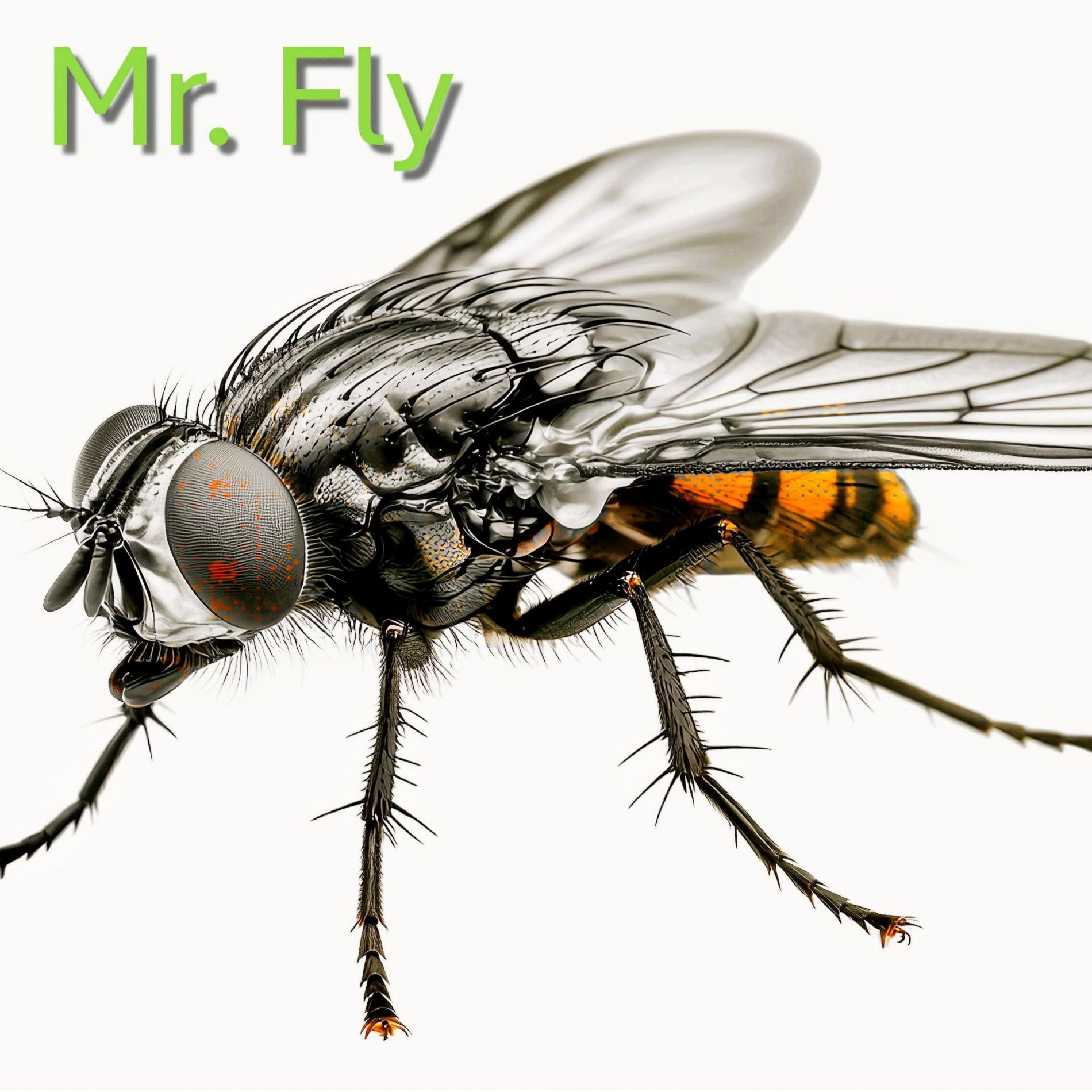
The instrumental palette alone demands attention. Where contemporaries might reach reflexively for overdriven guitars, Bog Witch anchors this composition around a driving ukulele rhythm that propels the track with unexpected muscularity. The decision proves inspired rather than gimmicky; the instrument's naturally bright timbre creates a dissonant tension against the song's macabre subject matter, a friction that generates genuine sparks. When the saxophone enters—crisp, assertive, utterly unfashionable—it completes a sonic picture that feels simultaneously vintage and fresh, as though The B-52s had been locked overnight in a record shop stocked exclusively with girl group 45s and Ramones LPs.
The production favors warmth over polish, allowing each element room to breathe while maintaining the compressed energy essential to garage rock's appeal. Bass and drums provide sturdy foundations without overwhelming the arrangement's more delicate components, while the harmonies weave through the mix with the practiced ease of musicians who understand that less can indeed prove more effective than excess.
Lyrically, "Mr. Fly" operates on multiple registers with admirable dexterity. The opening gambit—"You're ugly and you don't care / if nobody wants you there"—could scan as simple provocation, yet the song gradually reveals itself as a meditation on mortality, dependency, and the strange intimacy we develop with unwelcome presences. The direct quotation from Dickinson's "I heard a Fly buzz—when I died" arrives not as academic name-dropping but as organic extension of the song's thematic concerns. The fly transforms from nuisance to memento mori, from comic irritant to existential companion.
This layering of humor and gravity recalls the best work of The Magnetic Fields or early Belle and Sebastian—artists unafraid to find genuine emotion in seemingly frivolous conceits. Bog Witch navigates this tonal tightrope with confidence, never tipping too far toward either arch cleverness or heavy-handed profundity. The co-dependence suggested in the lyrics—the uncomfortable recognition that we might need what we claim to despise—adds psychological complexity to what could have remained merely an accomplished pastiche.
The track's retro sensibilities never become constraining. While clear debts are owed to Shannon & the Clams' garage-pop revival and the surrealist bent of early Blondie, "Mr. Fly" avoids the museumification that plagues much revivalist work. The song engages with its influences as living language rather than dead lexicon, borrowing liberally while maintaining distinct personality. You can hear echoes of The Ronettes' melodic economy and Black Lips' rawness, yet the end result sounds unmistakably like itself—a neat trick in an overcrowded field.
The accompanying video presumably amplifies the song's surrealist dimensions, though one imagines any visual treatment would struggle to match the cognitive dissonance already present in the audio alone. A meditation on death delivered via bouncing ukulele and celebratory saxophone requires little supplementary strangeness.
At a moment when garage rock threatens to calcify into formula, when indie-pop can feel suffocatingly safe, "Mr. Fly" buzzes with genuine vitality. Bog Witch has crafted a track that honors tradition while remaining uninterested in mere recreation, that takes both its musical forebears and its existential themes seriously without collapsing under the weight of either. The fly will die, as will we all—but this particular memento mori insists we might as well dance while we can.