Norton's biography reads like a masterclass in apprenticeship: Tampa upbringing, Nashville education, London refinement. His appearances on Later with Jools Holland and at Glastonbury weren't just prestigious gigs but formative experiences that taught him how British and American musical sensibilities might profitably collide. The Shoals residency, however, feels like the culminating chapter, the place where all those accumulated influences could finally coalesce.
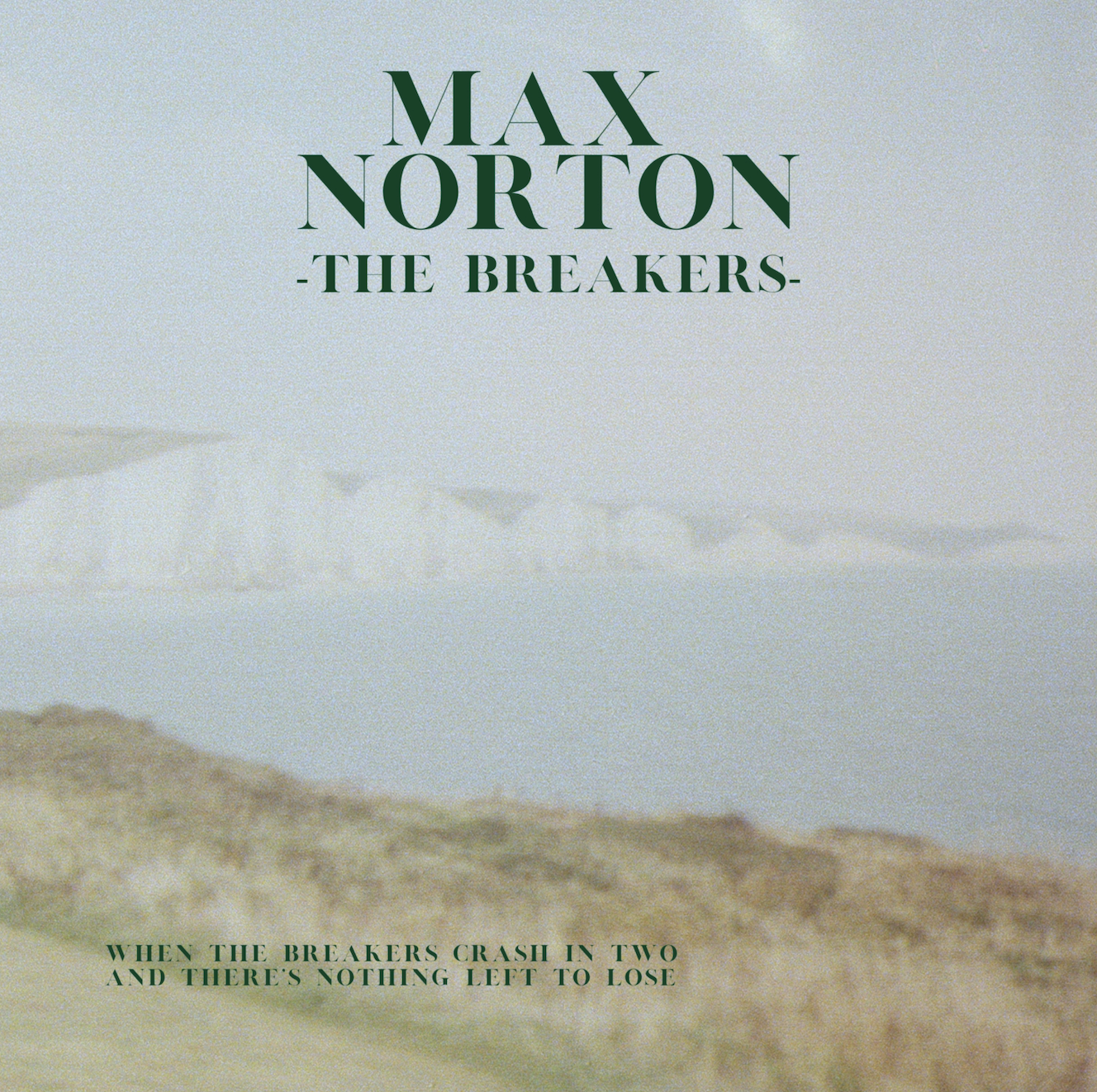
The song itself operates through strategic simplicity, building its emotional architecture around a central metaphor that Norton wisely refuses to over-explain. The breakers—those moments where waves collapse into foam and fury—serve as both threat and promise, destruction and renewal. His lyrical approach favours repetition and incremental variation over narrative complexity, a choice that recalls the best Southern soul traditions where emotional truth trumps clever wordplay.
What immediately strikes the ear is Norton's willingness to embrace vulnerability without descending into confessional therapy-speak. The admission of prolonged error—"too long I've been wrong, too long we've gone"—arrives without elaborate justification or self-flagellation. The economy of language here is refreshing, particularly given contemporary tendencies towards overwrought explanation. Norton trusts his images: fire on golden shores, being carried out to sea, the crash of breakers splitting things in two.
The production aesthetic reflects his stated influences with impressive coherence. The ghost of Levon Helm haunts the rhythmic foundation—that particular brand of drum work that serves the song rather than showcasing the drummer. One can hear Otis Redding's emotional directness in the vocal approach, whilst the spare arrangement occasionally nods towards Nick Drake's skeletal beauty. The 60s garage psych influence manifests not through obvious retro pastiche but in a certain looseness, an acceptance of rough edges that gives the track authentic human texture.
Norton's decision to play every instrument could have resulted in hermetically sealed self-involvement, but "The Breakers" breathes. The arrangement understands the power of space, allowing individual elements room to resonate. His drummer's instinct for when to push and when to recede serves him brilliantly here—the percussion provides anchor without overwhelming the melodic through-line.
The thematic content—moving forward whilst acknowledging accumulated mistakes—could easily have produced maudlin introspection. Instead, Norton locates something more interesting: a kind of determined optimism that acknowledges damage without wallowing in it. "Give this one more try, we will find out why" functions as both personal manifesto and universal invitation. The collective "we" is crucial here, suggesting shared struggle rather than isolated suffering.
Norton's time in London appears to have taught him valuable lessons about emotional restraint. British audiences, allergic to naked sentimentality, have always rewarded artists who can convey feeling through implication rather than declaration. "The Breakers" operates in that tradition, trusting listeners to complete the emotional equations rather than solving them explicitly.
The Shoals influence runs deeper than mere geographical association. That region's musical legacy rests on a particular synthesis: R&B's rhythmic insistence meeting country music's narrative plainspeak, all filtered through gospel's spiritual urgency. Norton has absorbed these lessons thoroughly, creating work that honours lineage without becoming archaeological exercise.
His cited influences—from George Jones to Courtney Barnett, James Brown to Tom Waits—might seem scattered, but "The Breakers" reveals the connective tissue. All these artists share a commitment to emotional authenticity delivered through distinctive personal voice, a refusal of generic polish in favour of characterful grit. Norton clearly understands that technique serves expression, not the reverse.
The single's October release positions it perfectly for autumn touring, and one suspects "The Breakers" will prove remarkably adaptable across different venue contexts. Norton's festival experience has evidently taught him to construct material that scales effectively, maintaining its essential character whether played in intimate clubs or vast fields.
Whether "The Breakers" announces a major new voice or represents merely a promising beginning remains to be determined. What seems certain is that Norton has successfully navigated the treacherous passage from skilled sideman to autonomous artist. He has emerged with his musical intelligence intact and his creative vision finally uncompromised. That journey—from who he was to who he is now—has produced work of genuine substance. The breakers have crashed, and Norton has found what lies beyond.