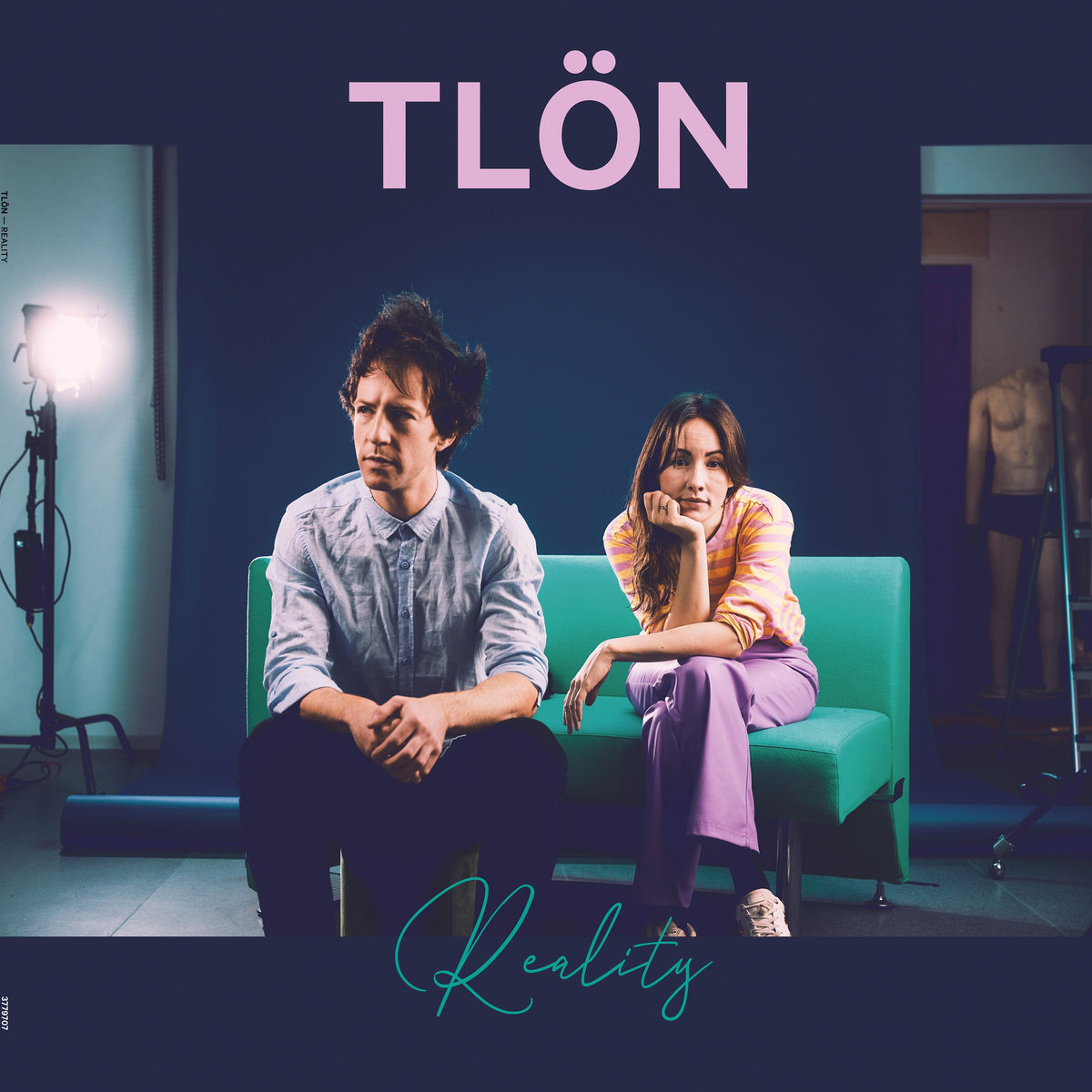
From the opening moments, it becomes clear that TLÖN operate according to their own internal logic. Övinge's violin and Riddell's cello function less as melodic voices than as textural elements, woven into dense tapestries alongside field recordings that range from the startlingly intimate—a foetal heartbeat, the rhythmic breathing of sleep—to the mundane made mysterious: coffee machines humming, metal striking floor. The duo's classical pedigree manifests not in virtuosic display but in their rigorous approach to composition, each element meticulously placed within carefully constructed sonic architectures.
The Borges reference embedded in their name proves more than mere literary posturing. Like the Argentine master's labyrinthine fictions, *Reality* delights in misdirection and multiple meanings. Familiar musical gestures—a bowed phrase, a pizzicato pattern—appear and dissolve before the listener can fully grasp them, transformed by processing or buried beneath layers of environmental sound. The effect recalls Gavin Bryars' quieter meditations or the more austere moments in Max Richter's catalogue, though TLÖN chart a more deliberately oblique course.
"Heartbeat Studies" (one assumes) builds its emotional architecture around the titular recording, Övinge's violin tracing delicate lines above the steady thump of new life. The piece avoids sentimentality through sheer restraint, allowing the rawness of the source material to carry the weight. Riddell's cello enters sparingly, low drones that suggest both anchor and abyss. The track demonstrates the duo's gift for transformation—by the piece's conclusion, the heartbeat has become just another rhythmic element, neither more nor less significant than the bowed strings or the distant rumble of traffic.
The album's middle section proves its most adventurous. Here, the duo embrace abstraction fully, dismantling conventional song structures in favour of episodic vignettes that unfold according to dream logic rather than traditional narrative. Spoken word fragments—poetry in what sounds like Norwegian and English—drift through the mix like half-remembered conversations. The processing applied to these voices renders them strange without entirely obscuring their meaning, creating an unsettling zone between comprehension and mystery.
When TLÖN lock into their peculiar groove, the results prove genuinely transporting. The coffee machine piece (title unknown, but unmistakable in its source material) transforms kitchen-counter banality into something approaching the ritualistic. Riddell's processed cello creates a bed of shifting harmonics while Övinge's violin sketches nervous patterns overhead, the percolating machinery providing an unexpected pulse. The track manages the difficult trick of being simultaneously domestic and deeply alien, familiar objects rendered mysterious through focused attention.
Both musicians bring impressive curricula to the project—Övinge's Norwegian Grammy and orchestral experience, Riddell's collaborations with Radiohead and Hildur Guðnadóttir—but crucially, they resist the temptation to overwhelm with technique. The virtuosity here manifests in the duo's willingness to let sounds breathe, to trust in the evocative power of patience and space. Their classical training provides discipline rather than vocabulary, structure rather than style.
The album's closing passages offer something approaching resolution, though TLÖN remain too smart to provide easy answers. The final piece gathers the album's disparate threads—processed strings, environmental recordings, whispered text—into a meditation that feels elegiac without being mournful. As the sounds gradually recede, one feels not closure but suspension, as though the music hasn't ended so much as stepped outside the frame.
Reality announces TLÖN as significant contributors to the ongoing conversation between acoustic tradition and electroacoustic innovation. While not without its longueurs, the album rewards close listening with unexpected pleasures and quiet profundities. Övinge and Riddell have crafted a genuinely distinctive debut, one that suggests even more compelling work to come.