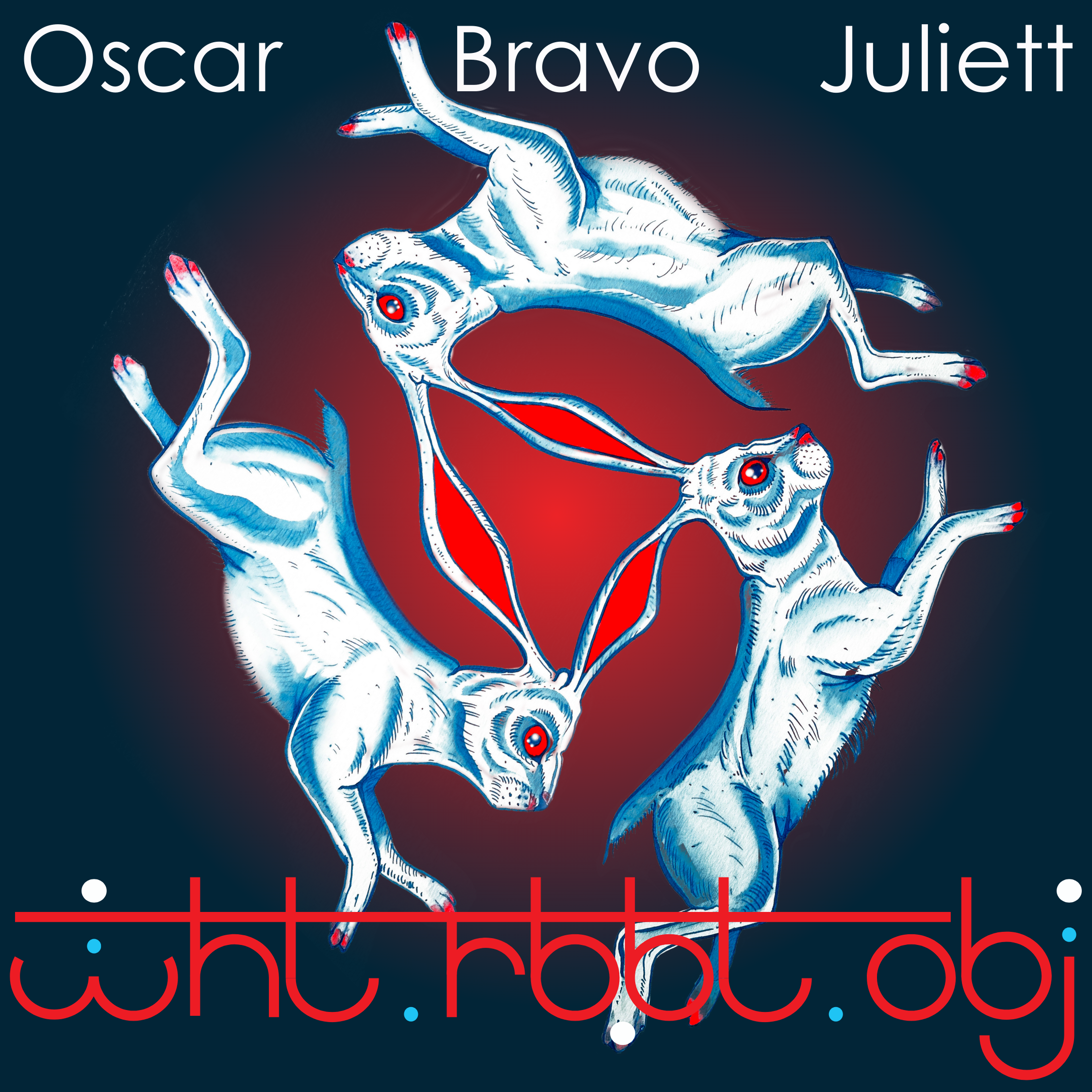
Frank and River Rabbitte—bass architect and vocal sorceress respectively—have cultivated a sound that lives in the shadowy margins between blues-soaked rock and noir-drenched electronica. The comparison to Amy Winehouse fronting The Black Keys isn't entirely misplaced, but it sells short the particular alchemy at work here. River's vocals carry the smoky devastation of a torch singer who's watched too many people walk out the door, while Frank's bass lines prowl through the mix like something predatory and patient.
The album opens with a kind of controlled violence, tracks that feel less written than wrenched from some dark personal archive. The production throughout maintains a deliberate roughness—nothing here has been sanded down or made palatable for playlist consumption. These songs bear their scars proudly, and the arrangements favour atmosphere over accessibility. Keyboards shimmer and decay, guitars cut through the murk at unexpected angles, and the rhythm section operates with the kind of tension that suggests barely contained chaos.
River's vocal performance across Oscar Bravo Juliett deserves particular attention. She's not interested in technical virtuosity for its own sake; instead, she deploys her instrument like a weapon, all whispered menace one moment and raw-throated fury the next. The lyrics deal in the currency of romantic sabotage and midnight confessions, but there's an intelligence to the writing that elevates it beyond mere genre exercise. These aren't songs about heartbreak so much as field reports from the front lines of emotional warfare.
The band's declared intent—to build this trilogy "like a code"—manifests in the album's structural conceits. There's a sense throughout that we're overhearing something not quite meant for public consumption, intercepting messages between co-conspirators. Frank's compositional approach favours sparse, skeletal frameworks that create space for River's vocals to haunt, and the interplay between minimalism and sudden bursts of density keeps the listener perpetually off-balance.
What prevents Oscar Bravo Juliett from disappearing up its own conceptual architecture is the sheer visceral impact of the performances. For all the talk of trilogies and transmissions, these remain songs that land with physical force. The band's reputation for incendiary live performances bleeds through the recordings—you can hear the sweat and bourbon, feel the proximity of bodies in cramped venues where the distinction between performer and audience becomes dangerously blurred.
The promised collaboration with Chicago rapper FURY on "Monsters of Nothing (The FURY Edition)" suggests the band aren't content to simply rest on having completed their trilogy. That restlessness, that refusal to settle into a comfortable formula, may well prove their most valuable asset. They've built their cult following by turning dive bars into temporary cathedrals of noise and need, and Oscar Bravo Juliett captures that transformative energy.
This is rock music for people who thought they'd given up on rock music, delivered by a band who seem constitutionally incapable of playing it safe. Whether it represents a genuine artistic statement or simply very clever packaging remains beside the point—the songs themselves are too immediate, too urgent to dismiss. Oscar Bravo Juliett doesn't ask permission and it certainly doesn't apologize. It simply arrives, fully formed and uncompromising, daring you to turn away.
You won't.