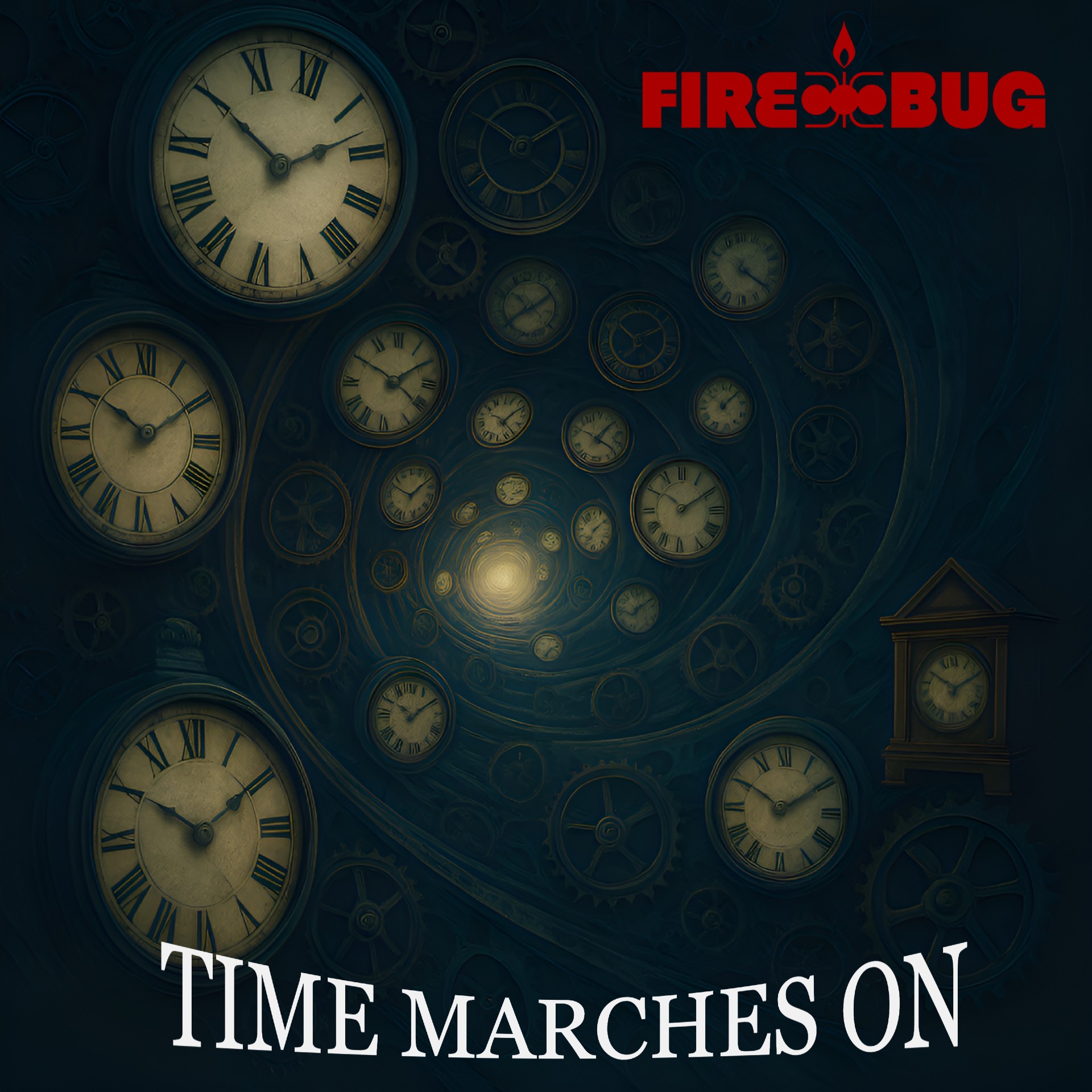
The collaborative partnership between vocalist Juliette Tworsey and guitarist Jules Shapiro forms the nucleus of FireBug's creative vision, yet it's producer Jordan Lawlor—whose curriculum vitae boasts work with Beck, Deftones, and M83—who proves instrumental in elevating this recording beyond mere competence into genuine artistry. His deft touch with electronic textures provides the perfect counterbalance to the duo's organic sensibilities, creating a sonic architecture that feels both meticulously constructed and thrillingly spontaneous.
Tworsey's vocal performance demands immediate attention. Her voice carries the kind of raw, soulful intensity that cannot be manufactured in a studio or learned from a tutorial—it's an instrument forged through lived experience and emotional authenticity. When she unleashes her full power, the effect recalls the great soul singers of New Orleans, yet filtered through a distinctly contemporary psychedelic lens. The vocal sits atop a musical bed that draws from the kaleidoscopic experimentation of 1960s and 70s psychedelia whilst simultaneously embracing the possibilities of modern electronic production.
The instrumentation reveals careful attention to texture and space. Shapiro's guitar work weaves through the arrangement with purpose, never dominating but always present, whilst the Wurlitzer adds a vintage warmth that grounds the more experimental electronic flourishes. Lawlor's Prophet 6 synthesizer contributions create shimmering atmospheres that expand and contract throughout the track's duration, and Robert Columbus's drumming provides a steady, propulsive foundation that prevents the song from drifting into self-indulgent abstraction.
Recorded at Gemini23 studio in Landers, California, the production captures both intimacy and grandeur. The decision to work with Lawlor represents a bold step for FireBug, pushing their established sound into uncharted territory. The marriage of electronic and organic elements never feels forced or contrived; instead, each component serves the song's emotional core. This represents the band's first genuine immersion into electronic soundscapes, and the confidence with which they navigate this terrain suggests a group ready to stake their claim in the broader musical conversation.
The accompanying music video amplifies the track's hypnotic qualities through visual artistry that complements rather than competes with the music. Described by critics as both mesmerizing and artfully crafted, the video creates an immersive experience that draws viewers into FireBug's evocative universe. The visual component doesn't merely illustrate the song—it extends and deepens the emotional landscape, creating a multimedia experience that rewards repeated viewings.
This release arrives on the heels of "Moment Of Joy," which found placement in the Apple TV+ series "Smoke," directed by Emmy-winner Dennis Lehane. That commercial success could have prompted FireBug to pursue a safer, more accessible direction. Instead, "Time Marches On" demonstrates artistic ambition and a refusal to compromise their vision for easy palatability. The track occupies its own distinctive space within the contemporary rock landscape, neither slavishly imitating past glories nor chasing fleeting trends.
The band's recent headline performance at the legendary Pappy and Harriet's venue confirms their status as a formidable live act, translating studio experimentation into visceral performance. "Time Marches On" stands as a bold statement from a band hitting their creative stride, unafraid to take risks and trust their instincts. This is music that rewards patient, attentive listening—a rarity in our distracted age, and all the more valuable for it.