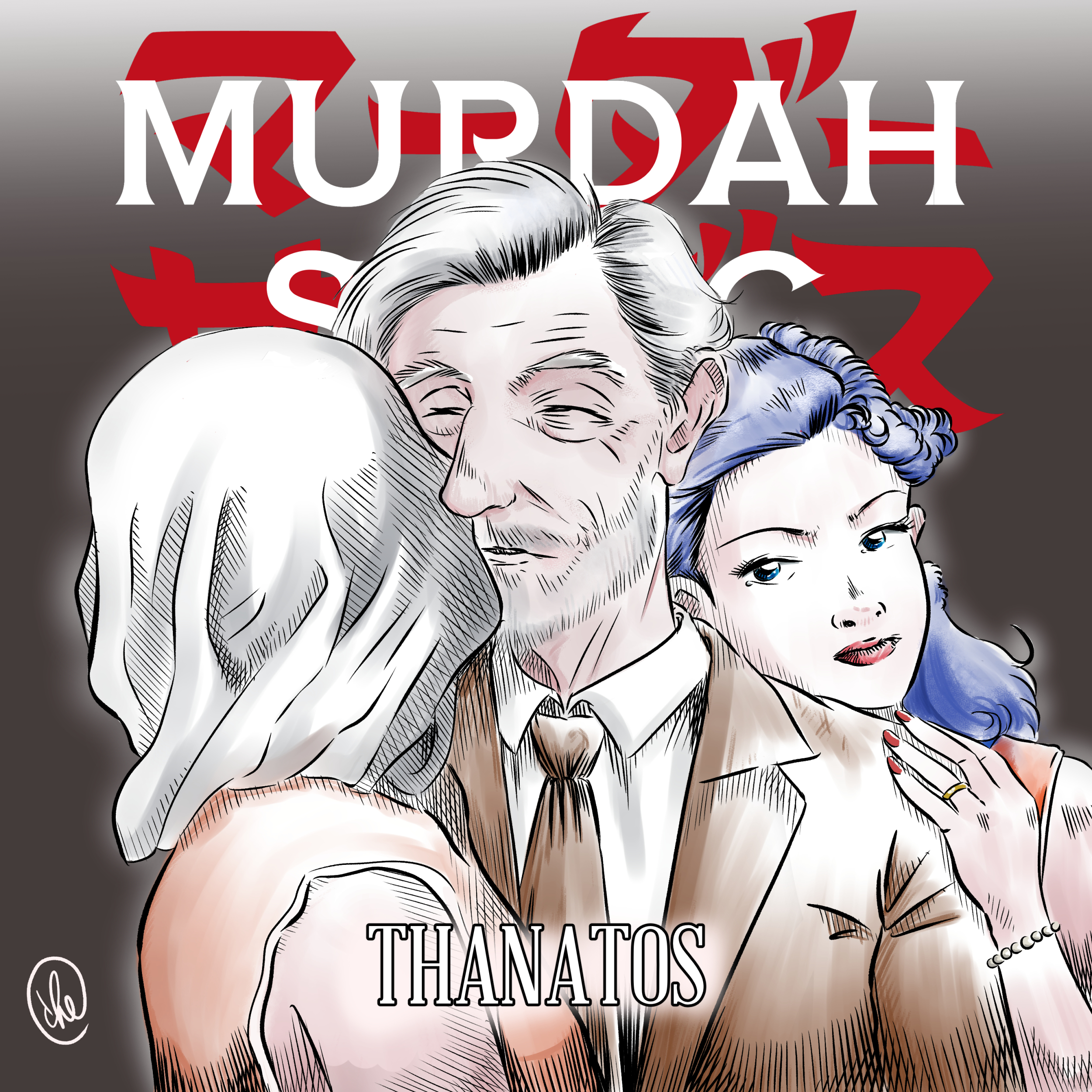
The narrative conceit borders on the grotesque: a mad scientist erasing his sister-in-law's memories to manufacture a replacement wife. It's pulp psychology rendered through the lens of late-90s Eurodance, and the cognitive dissonance proves intoxicating. Where lesser artists might shy away from such moral ambiguity, MURDAH SRVC leans into the discomfort, crafting a dancefloor anthem about psychological manipulation that somehow demands you move your feet while contemplating the ethics of desire.
John Lui's production work deserves particular praise for its restraint. The Electric Fender Rhodes provides warmth without sentimentality, while the synth bass throbs with the kind of mechanical precision that made French touch so compelling two decades ago. The drum programming strikes that delicate balance between propulsion and space, never overwhelming CHE's surprisingly nuanced vocal performance.
CHE himself navigates the song's contradictions with admirable skill. His delivery suggests both vulnerability and calculation—the voice of someone who understands the weight of his character's crimes but cannot resist the allure of his own delusions. It's a performance that recalls the best of early 2000s electronic soul, when artists like Jamiroquai were mining similar territory between confession and compulsion.
Recorded at the foot of Mount Etna, 'THANATOS' carries an appropriately volcanic energy—dormant menace beneath a deceptively smooth surface. The production team at TRP Records and Lexy Studio has captured this duality perfectly, rendering a sound that's both immaculate and unsettling.
The accompanying anime visuals, drawing inspiration from Akira, complete the picture with their exploration of power and destruction. Like Otomo's masterpiece, 'THANATOS' understands that the most devastating forces often wear the most seductive masks.
MURDAH SRVC have created something genuinely unsettling here—a pop song about monstrosity that refuses to offer easy moral resolution. In a musical landscape increasingly obsessed with virtue signaling, such moral complexity feels almost radical. 'THANATOS' doesn't judge its protagonist so much as understand him, and that understanding proves far more disturbing than condemnation ever could.